
Uncategorized
Millet: The Ancient Grain Fueling Modern Wellness
Dec
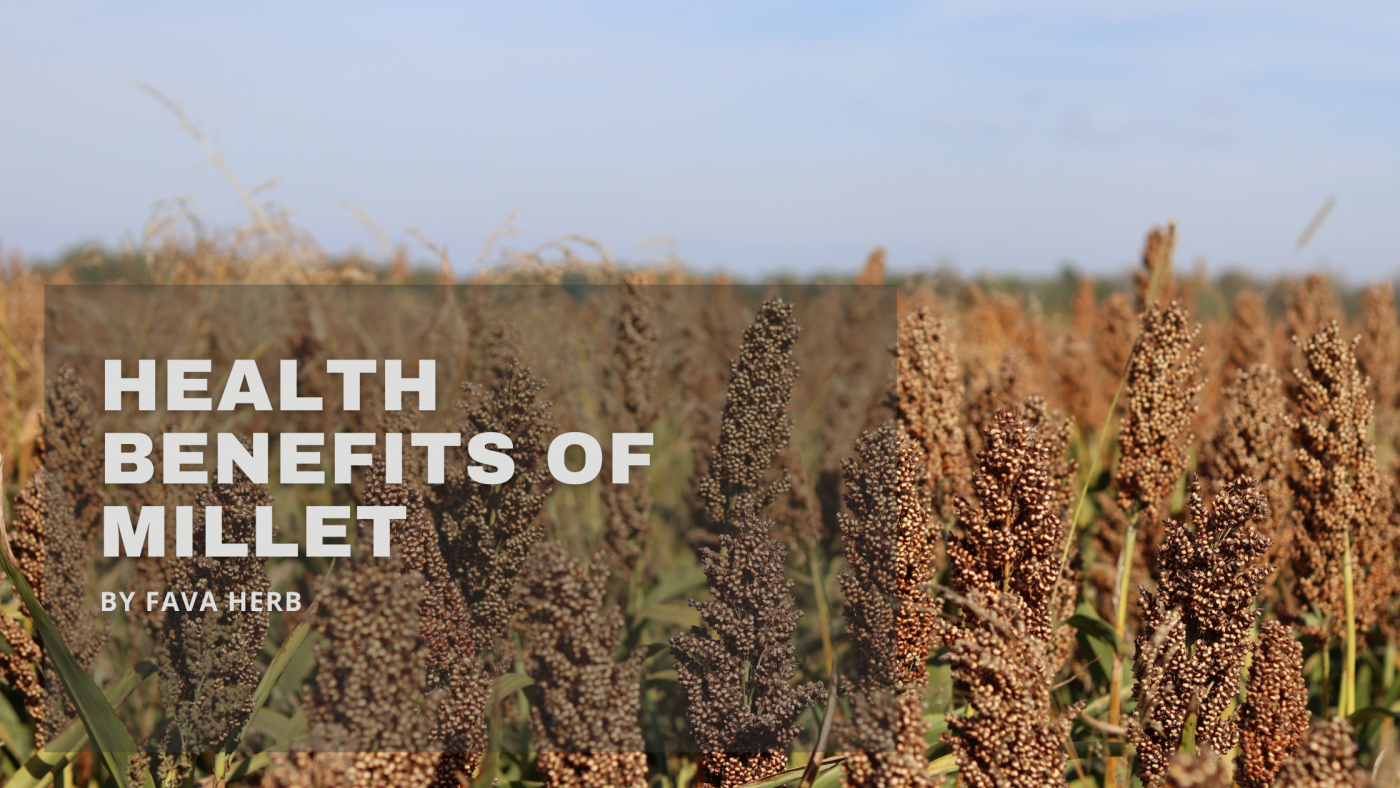
Millet, a small-seeded cereal grain belonging to the Poaceae family, has nourished civilizations for over 7,000 years. Celebrated for its drought-resistance, adaptability, and impressive nutritional profile, millet is a staple in many African, Asian, and Middle Eastern cultures. Today, it’s reclaiming its rightful place as a super grain for health-conscious individuals seeking wholesome alternatives to refined carbohydrates and gluten-based grains.
Types of Millet
There are several varieties of millet, each with unique nutritional properties:
- Pearl Millet (Bajra): Rich in protein and iron; common in Africa and India
- Finger Millet (Ragi): High in calcium and essential amino acids
- Foxtail Millet: Good for heart and brain health
- Proso Millet: Known for its light texture and high energy value
- Little Millet & Barnyard Millet: Excellent for diabetics and weight control
- Kodo Millet: High in fiber and polyphenols, supports digestion and detox
Nutritional Highlights (Per 100g Cooked)
- Calories: ~119 kcal
- Protein: 3.5g
- Fiber: 1.3g
- Iron: 1.1 mg
- Magnesium: 44 mg
- Phosphorus: 100 mg
- B Vitamins (especially niacin and B6)
- Gluten-Free: Naturally safe for people with gluten intolerance
Health Benefits of Millet
1. Supports Digestive Health
Millet is rich in insoluble fiber, which promotes healthy bowel movements and reduces the risk of constipation and bloating. It also helps regulate gut microbiota, which plays a key role in immune function and nutrient absorption.
2. Balances Blood Sugar Levels
With a low glycemic index and high magnesium content, millet helps regulate blood sugar and improve insulin sensitivity, making it ideal for those managing diabetes or prediabetes.
3. Boosts Heart Health
Millet contains heart-friendly nutrients like magnesium, potassium, and niacin. These help relax blood vessels, reduce blood pressure, and lower LDL cholesterol levels.
4. Promotes Weight Management
The complex carbohydrates and high fiber content in millet keep you fuller for longer, reducing overeating and supporting healthy weight loss goals. It also stabilizes energy levels and curbs sugar cravings.
5. Enhances Bone Strength
Finger millet is especially high in calcium and phosphorus, which are essential for strong bones, teeth, and prevention of osteoporosis.
6. Improves Cognitive Function
Millet’s B-vitamin content, particularly niacin, helps maintain healthy brain function. Iron and folate also contribute to better oxygenation of brain tissues, supporting memory and concentration.
7. Gluten-Free and Anti-Allergenic
Millet is naturally free from gluten, making it a safe grain for those with celiac disease or gluten sensitivities. It is also rarely allergenic and easily digestible, making it suitable for children and elderly individuals.
8. Helps Detoxify the Body
Kodo and barnyard millets are especially known for their detoxifying qualities. They assist in liver function and help flush out accumulated toxins.

Book: Returning To Nature’s Ancient Pharmacy -An African Approach To Natural Remedies
What You’ll Discover:
- Daily Herbal Remedies backed by Scripture and tradition
- Natural healing foods like raw honey, fermented drinks, and superfruits
- Uses of animal fats like tallow, ghee, and bone broth
- African healing plants like hibiscus, tamarind, and baobab
- Teas and Adaptogens for stress, energy, and hormone balance
- Spiritual insights on God’s design for healing and wellness
- Practical recipes, homemade remedies, and devotional reflection
Traditional and Modern Uses
- Africa: Used in porridges, flatbreads, fermented drinks, and grain bowls
- India: Commonly made into rotis, idlis, and upma
- Gluten-Free Baking: Ground millet flour is used in muffins, pancakes, and breads
- Beverages: Fermented into nutritious drinks like uji or kunu
Culinary Tips
- Soak millet before cooking to reduce anti-nutrients and improve absorption.
- Toasting millet before boiling enhances its nutty flavor.
- Pairs well with vegetables, herbs, nuts, and legumes for complete meals.
Sustainability and Agriculture
Millet is a climate-smart crop. It requires minimal water, grows in poor soils, and has a short growing season. Its resilience makes it crucial for food security in regions facing climate variability. The UN declared 2023 as the International Year of Millets to promote this sustainable supergrain.
Final Word
Millet is more than an ancient grain—it is a nutritional powerhouse for the modern world. With its wide range of health benefits, versatility in cooking, and low environmental impact, millet is a smart choice for individuals and communities seeking sustainable nutrition. Whether used in traditional meals or contemporary health bowls, millet delivers nourishment that’s rooted in history and backed by science.

