
Uncategorized
Matooke: The Nutrient-Dense Staple of East Africa
Dec
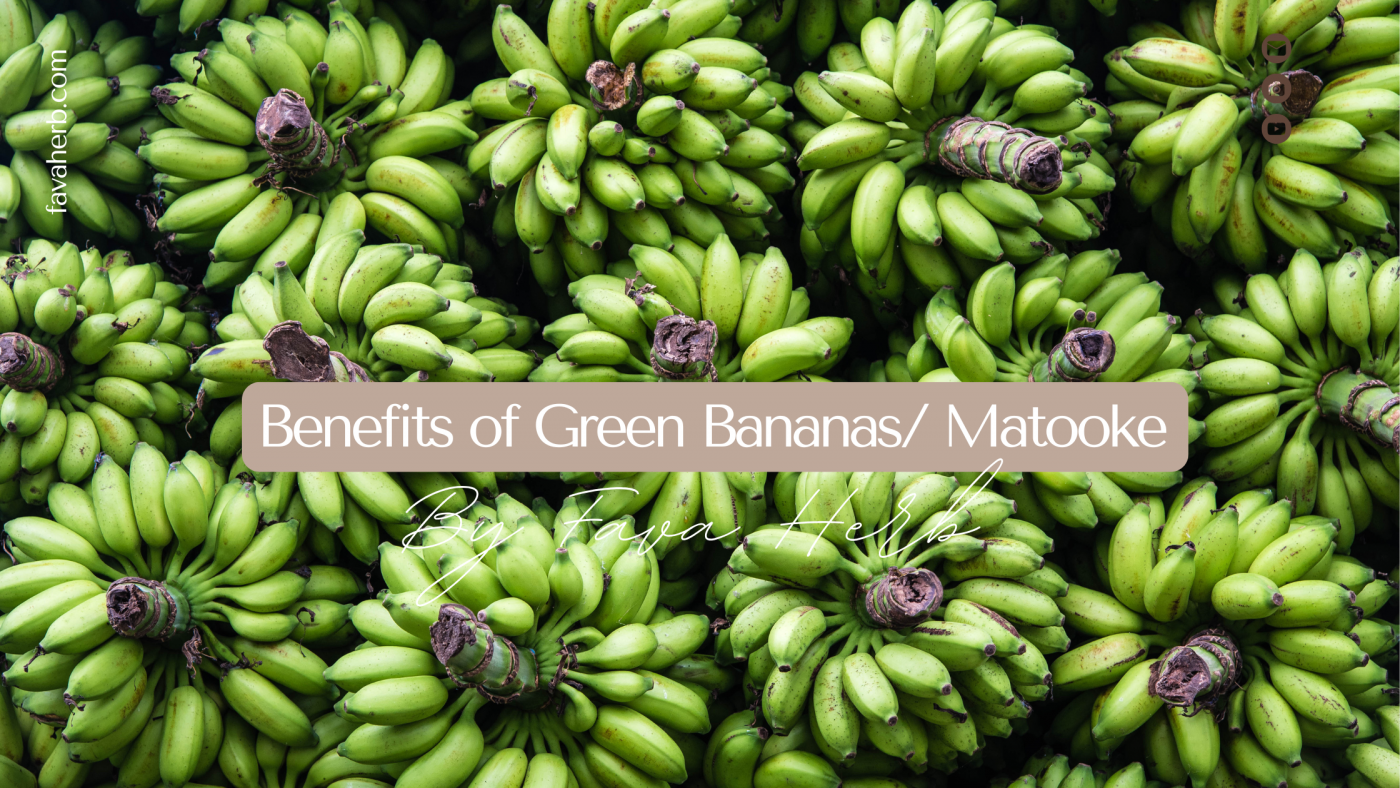
Matooke, also known as Ugandan green bananas or East African Highland bananas, is more than just a staple food in countries like Uganda, Rwanda, and parts of Kenya and Tanzania — it is a cultural emblem and a powerhouse of nutrition. These starchy green bananas are traditionally steamed, mashed, and served as a hearty accompaniment to stews and sauces, and they play a vital role in the diet and economy of the region.
What Is Matooke?
Matooke refers specifically to a type of banana cultivar (from the AAA-EA genome group) that is harvested green and cooked rather than eaten raw. Unlike sweet bananas, matooke is rich in complex carbohydrates and low in sugar, making it ideal for savory dishes. The preparation typically involves peeling, wrapping in banana leaves, and steaming until soft, then mashing into a smooth, satisfying dish.
Nutritional Profile (Per 100g Cooked Matooke)
- Calories: 80–90 kcal
- Carbohydrates: 20 g
- Dietary Fiber: 2.3 g
- Protein: 1.2 g
- Fat: < 0.5 g
- Vitamin C: 8–10 mg
- Potassium: 400–500 mg
- Vitamin B6, Magnesium, Manganese, Iron: Trace but beneficial amounts

Book: Returning To Nature’s Ancient Pharmacy -An African Approach To Natural Remedies
What You’ll Discover:
- Daily Herbal Remedies backed by Scripture and tradition
- Natural healing foods like raw honey, fermented drinks, and superfruits
- Uses of animal fats like tallow, ghee, and bone broth
- African healing plants like hibiscus, tamarind, and baobab
- Teas and Adaptogens for stress, energy, and hormone balance
- Spiritual insights on God’s design for healing and wellness
- Practical recipes, homemade remedies, and devotional reflection
Health Benefits of Matooke
1. Sustained Energy Release
Matooke is packed with complex carbohydrates that digest slowly, providing a steady release of energy. This makes it an excellent meal for sustained physical activity, especially in rural and agrarian communities.
2. Supports Digestive Health
Thanks to its high fiber content, matooke helps maintain bowel regularity, supports gut microbiota, and reduces the risk of constipation. It’s gentle on the stomach and ideal for people recovering from illness.
3. Regulates Blood Pressure
Rich in potassium and low in sodium, matooke supports cardiovascular health by helping balance blood pressure levels and reducing the risk of hypertension.
4. Good for Diabetics (In Moderation)
Due to its low sugar content and complex carbs, matooke has a relatively low glycemic index. When prepared without added fats or sugars, it can be part of a diabetic-friendly diet.
5. Supports Muscle and Nerve Function
The potassium, magnesium, and small amounts of B vitamins in matooke contribute to healthy muscle contractions, nerve function, and fluid balance in the body.
6. Immune-Boosting Effects
Matooke contains vitamin C and other antioxidants that help support immune defense, especially when served alongside nutrient-rich sauces or vegetables.
7. Child and Elderly Friendly
Its soft, mashed texture makes it ideal for young children and the elderly. It’s easy to digest and can be fortified with legumes, ghee, or groundnut paste for enhanced nutritional value.
Traditional and Cultural Significance
- Ceremonial Dish: Matooke is central to major events like weddings, naming ceremonies, and community feasts in Uganda.
- Gift of Honor: It is often presented as a sign of respect or goodwill, especially in traditional Baganda culture.
- Prepared with Care: The process of peeling and steaming matooke is labor-intensive, typically done with great pride and skill in communal settings.
Versatile Culinary Uses
- Classic Matooke & Groundnut Sauce: A hearty vegetarian favorite
- Matooke with Beef or Goat Stew: Rich in protein and flavor
- Fried Matooke (Katogo): A mixed dish with vegetables, beans, or offals
- Matooke Pancakes: A modern twist using mashed matooke in batter
Environmental and Economic Value
- High Yield Crop: Matooke plants are perennial, drought-tolerant, and can produce fruit year-round.
- Zero Waste: Banana leaves, peels, and stems are used for cooking, mulching, and even weaving.
- Livelihoods: Matooke farming supports millions of smallholder farmers, traders, and vendors across East Africa.
Final Thoughts
Matooke is more than just food — it is a cultural staple that nourishes both body and community. Rich in nutrients, easy to digest, and incredibly versatile, it plays an irreplaceable role in East African cuisine and heritage. Whether steamed, mashed, or innovatively fused into modern recipes, matooke remains a timeless symbol of sustenance and identity.

