

Uncategorized
Tamarind: The Sweet-Sour Superfruit with Powerful Health Benefits
Dec
Tamarind (Tamarindus indica) is a tropical fruit known for its unique sweet-and-sour flavor and deep cultural roots across Africa, Asia, and Latin America. Used in cuisines, traditional medicine, and even cosmetics, tamarind is more than just a tangy ingredient — it’s a powerhouse of nutrients and antioxidants.
What Is Tamarind?
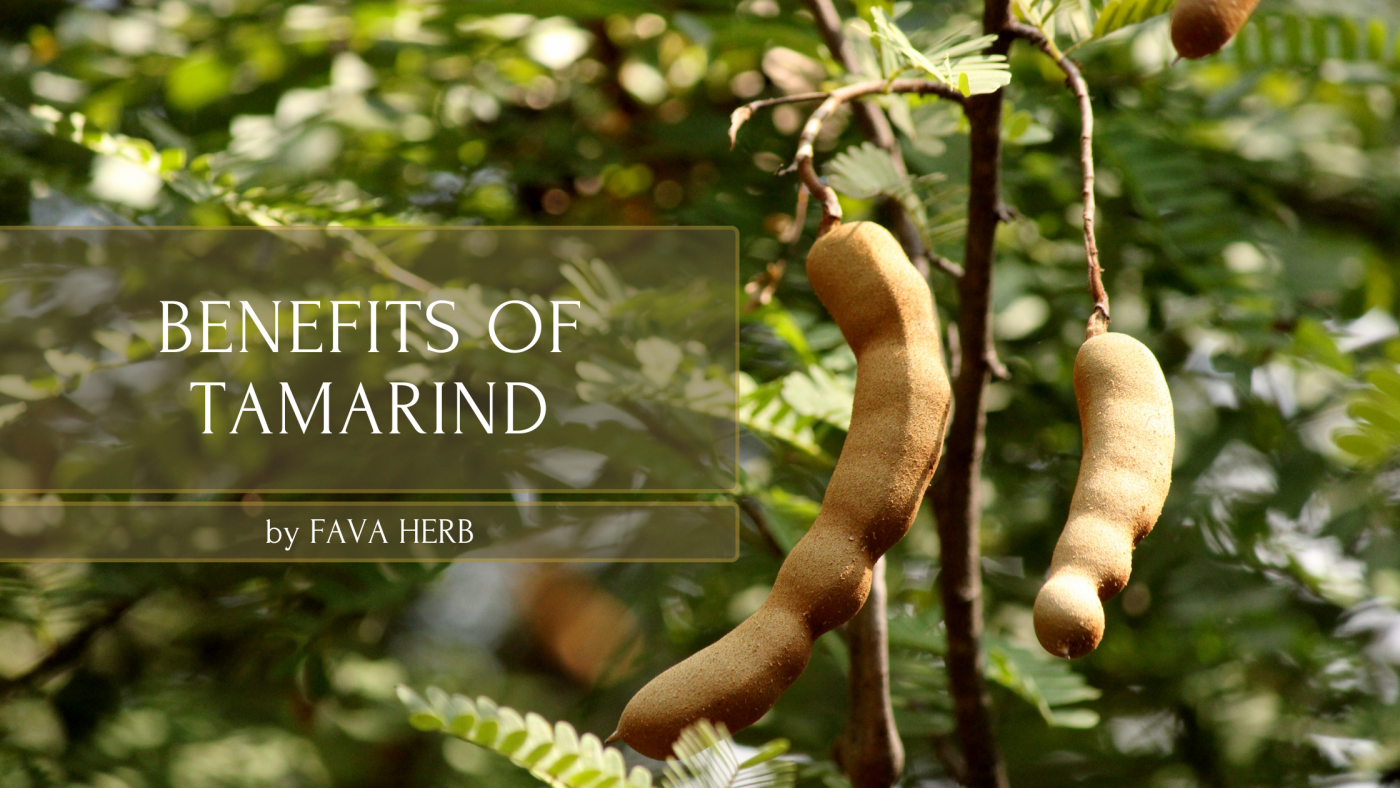
Tamarind is a leguminous tree that produces brown, pod-like fruits filled with sticky pulp and hard seeds. The pulp is what’s widely used for its flavor and medicinal properties. When ripe, the pulp becomes dark brown, soft, and sweet-sour, often consumed raw or processed into paste, juice, candy, and spice blends.
Nutritional Profile (Per 100g Pulp)
- Calories: 239 kcal
- Carbohydrates: 62.5 g
- Sugar: 38.8 g
- Fiber: 5.1 g
- Protein: 2.8 g
- Fat: 0.6 g
- Calcium: 74 mg
- Magnesium: 92 mg
- Iron: 2.8 mg
- Potassium: 628 mg
- Vitamin C, A, B1, B2, B3 — Present in trace yet beneficial amounts

Book: Returning To Nature’s Ancient Pharmacy -An African Approach To Natural Remedies
What You’ll Discover:
- Daily Herbal Remedies backed by Scripture and tradition
- Natural healing foods like raw honey, fermented drinks, and superfruits
- Uses of animal fats like tallow, ghee, and bone broth
- African healing plants like hibiscus, tamarind, and baobab
- Teas and Adaptogens for stress, energy, and hormone balance
- Spiritual insights on God’s design for healing and wellness
- Practical recipes, homemade remedies, and devotional reflection
Health Benefits of Tamarind
1. Supports Digestion
Tamarind has natural laxative properties due to its fiber and organic acids, helping to relieve constipation and improve bowel movements. It’s often used traditionally to ease indigestion and bloating.
2. Rich in Antioxidants
Packed with polyphenols and flavonoids, tamarind combats oxidative stress and protects the body from free radical damage, which can help reduce inflammation and support long-term health.
3. Promotes Heart Health
The potassium and magnesium content in tamarind support healthy blood pressure levels and heart function. Its antioxidant profile also helps reduce LDL cholesterol and plaque buildup.
4. Regulates Blood Sugar
Tamarind pulp contains compounds that may inhibit alpha-amylase, an enzyme involved in breaking down carbohydrates. This can help moderate blood sugar spikes when consumed in moderation.
5. Anti-Inflammatory Effects
Traditional medicine systems have used tamarind to soothe joint pain, swelling, and inflammation. Modern research points to its polyphenols as key agents in reducing inflammatory responses.
6. Enhances Immunity
With its vitamin C, antioxidants, and antimicrobial properties, tamarind can support the immune system in fighting off infections and common illnesses.
7. Improves Skin and Hair Health
Used topically in pastes and scrubs, tamarind can exfoliate dead skin, brighten dull complexions, and fight acne due to its antibacterial and astringent properties. The pulp is also used in traditional hair masks to strengthen the scalp and add shine.
Culinary Versatility
Tamarind’s bold flavor makes it an essential ingredient in diverse dishes:
- In Africa: Used in drinks, stews, and sauces
- In India: Essential for chutneys, sambar, and curries
- In Southeast Asia: Used in pad thai, sinigang, and dipping sauces
- In Latin America: Found in candies, aguas frescas, and marinades
Traditional Uses Across Cultures
- Ayurveda & African Herbalism: Tamarind pulp is used to aid digestion, reduce fever, and cleanse the body.
- Folk Remedies: Tamarind water is used as a cooling tonic in hot climates, and the leaves and bark are used for poultices and decoctions.
- Cultural Ceremonies: Tamarind often appears in purification rituals and traditional dishes during festivals and ancestral celebrations.
Sustainability and Economic Importance
- Drought-Resistant Crop: Tamarind trees thrive in semi-arid climates, providing a reliable food source in harsh environments.
- Economic Livelihoods: Tamarind harvesting and processing support small-scale farmers and women-led cooperatives, particularly in East Africa and South Asia.
- Low Waste: Every part of the tamarind tree — from bark and seeds to leaves and pulp — has value in food, medicine, or craft.
Final Thoughts
Tamarind is more than a tangy treat. It’s a functional fruit that brings flavor, healing, and nourishment to countless communities. From digestive aid to immune booster, from traditional medicine to global kitchens, tamarind continues to stand the test of time as a nutritional and cultural treasure. Whether enjoyed in a sauce, syrup, tea, or mask — this sweet-sour fruit is worth every bite.

