

Uncategorized
Eggplant: The Nutrient-Dense Superfood You Should Be Eating More Of
Jan
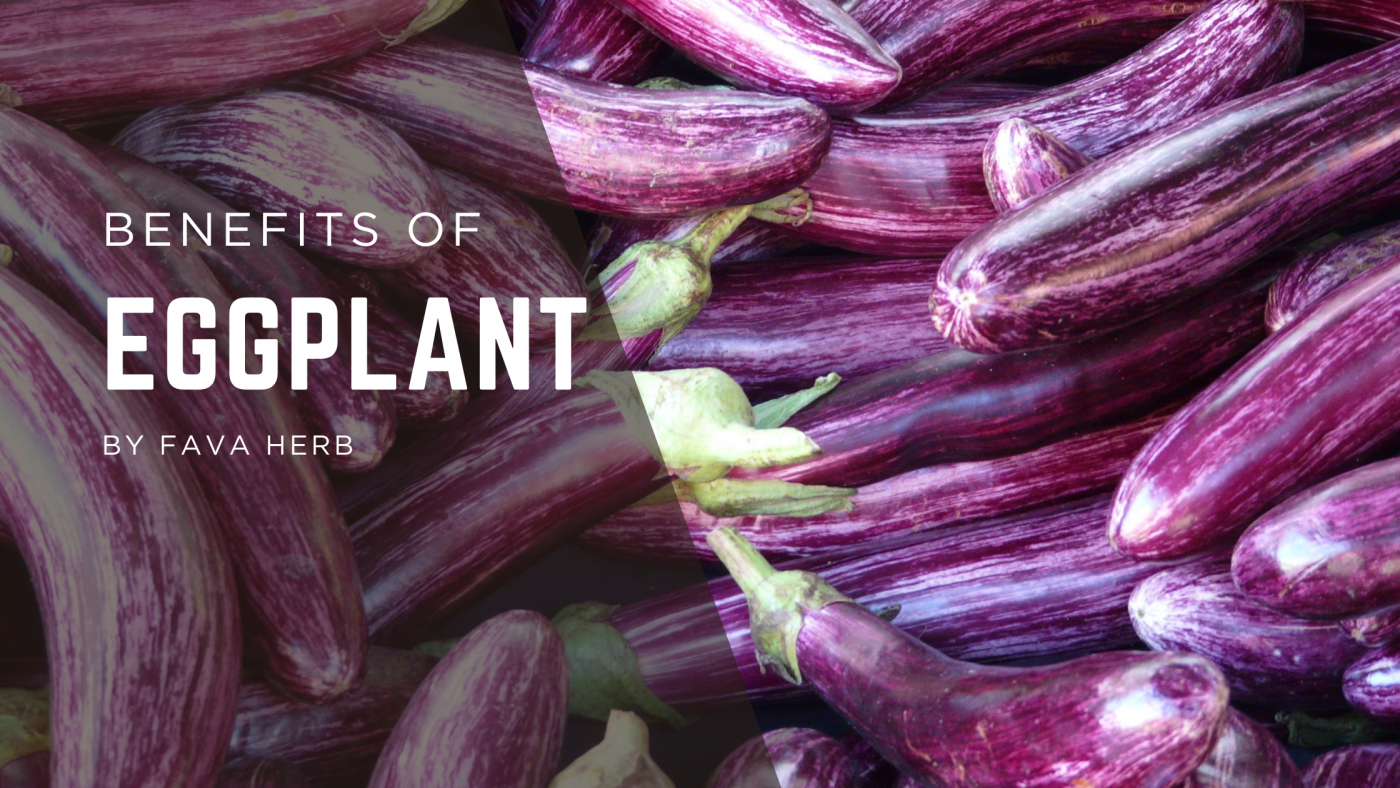
Eggplant, also known as aubergine or Solanum melongena, is a glossy, deep-purple fruit that’s often treated as a vegetable in kitchens around the world. While it’s famous for its use in dishes like baba ghanoush, ratatouille, and curries, eggplant is also a powerhouse of nutrients and plant compounds that deliver wide-ranging health benefits.
What Makes Eggplant Unique?
Eggplant belongs to the nightshade family, which includes tomatoes, potatoes, and peppers. It comes in many shapes and colors, including white, green, and striped varieties, but the deep purple globe eggplant is the most common.
Though low in calories, eggplant is high in fiber, antioxidants, and phytonutrients that support heart health, blood sugar control, and cellular repair.

Book: Returning To Nature’s Ancient Pharmacy -An African Approach To Natural Remedies
What You’ll Discover:
- Daily Herbal Remedies backed by Scripture and tradition
- Natural healing foods like raw honey, fermented drinks, and superfruits
- Uses of animal fats like tallow, ghee, and bone broth
- African healing plants like hibiscus, tamarind, and baobab
- Teas and Adaptogens for stress, energy, and hormone balance
- Spiritual insights on God’s design for healing and wellness
- Practical recipes, homemade remedies, and devotional reflection
Nutritional Profile (Per 100g Cooked)
- Calories: 35
- Carbohydrates: 8.6 g
- Fiber: 2.5 g
- Protein: 0.8 g
- Fat: 0.2 g
- Vitamin B1 (Thiamine), B6, and Folate
- Potassium: 123 mg
- Magnesium, Manganese, Copper, Iron — in small but beneficial amounts
- Nasunin: A powerful antioxidant found in the purple skin
Health Benefits of Eggplant
1. Supports Heart Health
Eggplant is rich in antioxidants like chlorogenic acid and anthocyanins, particularly nasunin, which help reduce oxidative stress and inflammation in the cardiovascular system. The fiber content also helps lower LDL (bad) cholesterol.
2. Aids Blood Sugar Regulation
The fiber and polyphenols in eggplant slow down the digestion and absorption of sugar, helping to prevent blood sugar spikes. It’s a great low-glycemic option for people managing diabetes.
3. Promotes Digestive Health
Eggplant contains both soluble and insoluble fiber, promoting smooth bowel movements, feeding healthy gut bacteria, and helping maintain digestive regularity.
4. Brain Protection
Nasunin, found in the purple skin, has been shown to protect brain cell membranes from damage and support cognitive function. Eggplant’s phytonutrients may also aid in memory retention and mental clarity.
5. Weight Management
With its high water and fiber content, eggplant adds bulk to meals without packing on calories. It promotes satiety, making it easier to manage hunger and portion sizes.
6. Anti-Cancer Properties
Early research suggests that certain antioxidants in eggplant, including solasodine rhamnosyl glycosides (SRGs), may inhibit the growth of cancer cells and prevent tumor formation, particularly in skin and cervical cancers.
Cultural and Medicinal Uses
- In African and Asian traditions, eggplant has been used to support liver health, detoxification, and digestion.
- In traditional Chinese medicine, it is considered cooling and is used to reduce inflammation and clear internal heat.
- In Ayurvedic systems, eggplant is viewed as a grounding food that can balance Vata dosha when cooked and seasoned appropriately.
Culinary Uses
Eggplant’s versatility and ability to absorb flavors make it ideal for countless dishes:
- Grilled or roasted with olive oil and herbs
- Mashed into dips like baba ghanoush
- Stewed in curries, tagines, or ratatouille
- Stir-fried with garlic, soy sauce, and ginger
- Stuffed with grains, meat, or vegetables
- Baked into layers as in eggplant parmesan
For optimal nutrient retention, cook eggplant with minimal oil or bake it to reduce the absorption of fats due to its sponge-like texture.
Tips for Preparation
- Salt before cooking: Slicing and salting eggplant before cooking helps reduce bitterness and excess moisture.
- Use the skin: Most of the powerful antioxidant nasunin is found in the purple skin, so consider keeping it on when cooking.
- Pair with healthy fats: Cooking with olive oil or sesame oil enhances the absorption of fat-soluble antioxidants.
Final Thoughts
Eggplant may not be the flashiest vegetable on your plate, but its combination of flavor, fiber, and health-boosting compounds make it a nutritional asset. Whether you’re looking to boost heart health, improve digestion, or simply enjoy delicious plant-based meals, eggplant earns its place in any kitchen focused on vibrant, holistic wellness.

