
Uncategorized
The Powerful Benefits of Eating Grass-Fed Beef
Jan
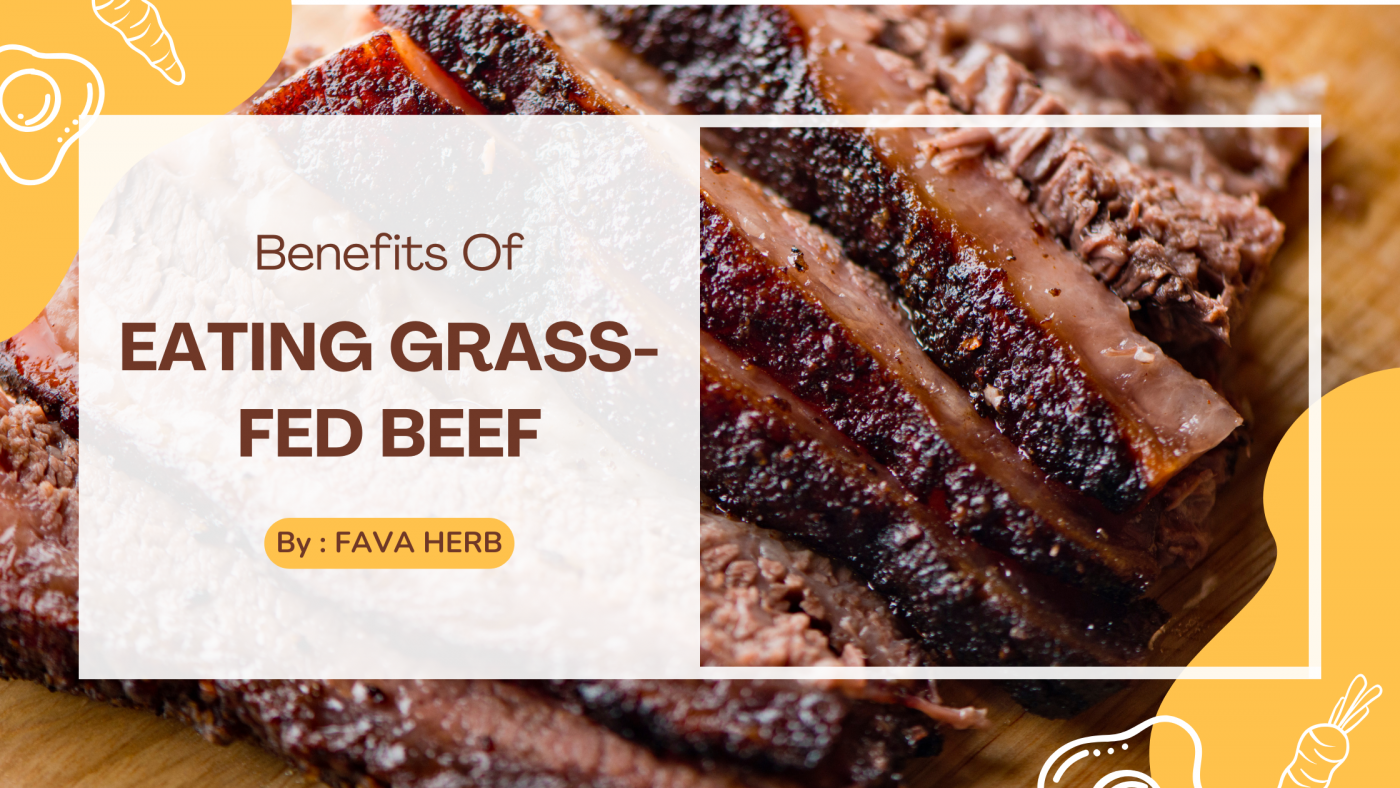
Grass-Fed BeefGrass-fed beef has become one of the most sought-after nutrient-dense foods globally—and for good reason. Compared to conventional grain-fed beef, grass-fed cattle are raised on natural pasture, resulting in cleaner nutrition, richer flavor, and a significantly healthier fat profile. Across Africa, North America, and Europe, health-conscious consumers are turning to grass-fed meat as a premium, whole-food protein source.
1. Rich in Omega-3 Fatty Acids
Grass-fed beef contains up to five times more omega-3s than grain-fed beef. Omega-3s support heart health, balance inflammation, nourish the brain, and contribute to healthy skin. This makes grass-fed beef an excellent natural alternative for people who don’t consume fish regularly.
2. Higher in Conjugated Linoleic Acid (CLA)
CLA is a naturally occurring fatty acid known for boosting metabolism, reducing inflammation, and supporting weight balance. Grass-fed beef contains up to three times more CLA, making it a powerful food for people seeking natural metabolic support.
3. Packed With Clean, Complete Protein
Grass-fed beef provides all essential amino acids needed for muscle repair, hormone production, and immune function. Athletes, women looking to build lean muscle, and individuals on wellness journeys benefit greatly from its slow-digesting, satiating protein profile.
4. Naturally Lower in Calories and Fat
Pasture-raised cattle have a more active lifestyle, resulting in leaner beef. Grass-fed meat contains fewer calories per serving and a healthier fat ratio, making it ideal for weight-conscious or health-driven consumers.
5. Rich in Vitamins A, E, D, and K2
Grass-fed beef is significantly higher in fat-soluble vitamins, especially vitamin K2—known to support bone strength, dental health, and cardiovascular wellness. These nutrients come naturally from the cattle’s diet of fresh, mineral-rich grasses.
6. Dense in Iron and Zinc for Energy & Immunity
Grass-fed beef is one of the best natural sources of heme iron, which is highly absorbable and essential for preventing fatigue, anemia, and low immunity. Its zinc content further strengthens immune function and supports hormone balance.
7. Free From Antibiotics, Hormones, and Fillers
Grass-fed cattle are generally raised without routine antibiotics or growth hormones. This means you consume cleaner meat free from residues often associated with industrial farming—supporting hormone health and reducing toxic load.
8. Higher Levels of Antioxidants
Pasture-raised beef contains more antioxidants such as beta-carotene, glutathione, and superoxide dismutase, which help combat oxidative stress and cellular aging. These compounds contribute to long-term vitality and resilience.
9. Supports Better Animal Welfare & Sustainable Farming
Grass-fed systems allow cattle to roam freely and graze naturally, improving their quality of life. These ranching methods regenerate soil, protect biodiversity, and reduce environmental strain—making grass-fed beef the ethical choice for conscious consumers.
10. Better Taste and Natural Aroma
Many culinary experts agree: grass-fed beef has superior flavor. Its unique profile—slightly earthy, rich, and clean—comes from the cattle’s diverse diet of wild grasses. It cooks beautifully, offering depth whether grilled, stewed, roasted, or pan-seared.
How to Include Grass-Fed Beef in Your Diet
- Add slow-cooked beef to stews, broths, or bone soups
- Pan-sear steaks for a high-protein, nutrient-dense meal
- Use minced beef for burgers, meatballs, or stuffed peppers
- Make beef liver pâté or sauté for extra vitamin A and iron
- Use grass-fed bones for collagen-rich bone broth
Final Thoughts
Grass-fed beef is more than a premium meat—it’s a foundational superfood linked with better health, more balanced nutrition, and ethical farming. Whether you’re looking to improve energy levels, support muscle recovery, balance hormones, or simply enjoy clean eating, grass-fed beef is a powerful addition to your daily diet.
Its nutritional density, natural purity, and superior taste make it one of the most valuable traditional foods of our time.

