
Uncategorized
The Remarkable Benefits of Traditional African Ghee
Feb
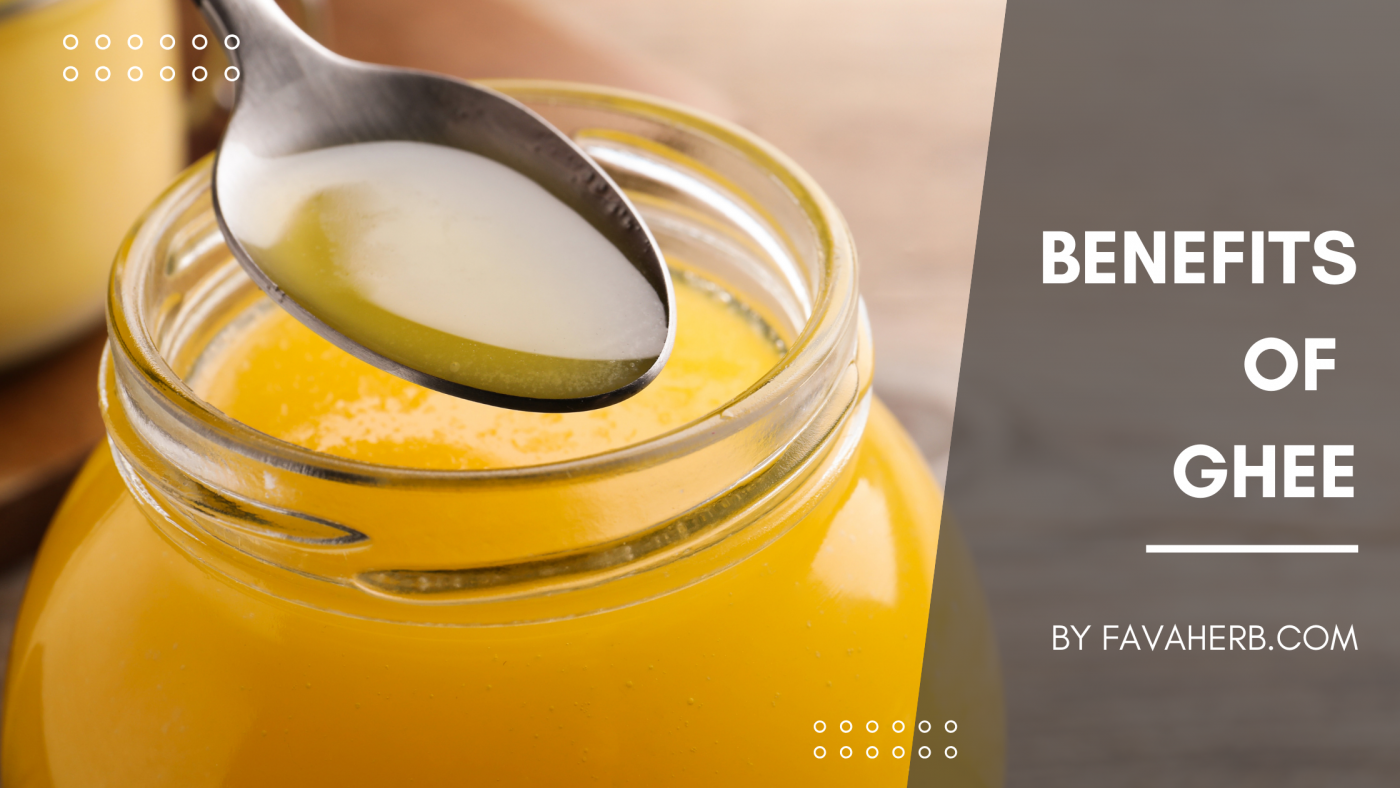
Traditional African ghee—often called alenya, moyo, nchuzi, samli, or sheh butter depending on the region—is one of the continent’s most treasured culinary and wellness ingredients. Rich, aromatic, golden, and deeply nourishing, this ancestral butter has been used for centuries across East, West, and North Africa for cooking, healing, beauty, and even ceremonial rituals.
Today, as more people return to natural, whole-food ingredients, African ghee is experiencing a well-deserved revival—and for good reason.
1. A Powerhouse of Healthy Fats
Traditional African ghee is rich in medium-chain and short-chain fatty acids such as butyrate, a compound known to support digestive health and reduce inflammation in the gut. These healthy fats provide steady energy, promote brain function, and help balance hormones naturally.
2. Lactose-Free and Gentle on Digestion
Because African ghee is slowly clarified over fire, the milk proteins, lactose, and impurities are removed. This makes it an excellent alternative for people with lactose intolerance or sensitive digestion, offering deep nourishment without discomfort.
3. Supports a Healthy Gut Microbiome
Butyric acid found in ghee helps repair the intestinal lining, making it a traditional remedy for bloating, acidity, and digestive imbalance. Many African communities use a spoonful of ghee in porridge or herbal teas to soothe the stomach and improve nutrient absorption.
4. Rich in Vitamins A, D, E, and K
Grass-fed African ghee contains fat-soluble vitamins that boost immunity, support eyesight, and enhance skin repair. These nutrients are more bioavailable in ghee than in many other dairy products due to its natural fat matrix.

5. High Smoke Point for Safe Cooking
With a smoke point of around 250°C, traditional African ghee is ideal for sautéing, frying, and roasting. It maintains its nutritional integrity even at high heat, unlike vegetable oils that oxidize and create harmful free radicals.
6. Boosts Skin and Hair Health Naturally
Across East Africa and the Horn of Africa, ghee has long been used as a beauty elixir. Its emollient nature nourishes dry skin, strengthens the scalp, and adds shine to hair. Some communities blend it with herbs for traditional skin-healing balms.
7. Enhances Flavor and Culinary Tradition
African ghee adds a deeply aromatic, nutty taste to both traditional and modern recipes. Whether used in ugali, pilau, chapati, injera, suqaar, or herbal porridges, its rich flavor elevates meals while preserving cultural heritage.
8. Natural Anti-Inflammatory Properties
Clarified butter contains conjugated linoleic acid (CLA), known for reducing inflammation, supporting weight balance, and promoting cardiovascular health. Many traditional households use ghee during recovery from illness to rebuild strength.
9. Long Shelf Life Without Refrigeration
Properly prepared African ghee can last months—even years—without spoiling. Its low moisture content protects it from bacterial growth, making it a reliable staple for homesteads and rural communities.
10. Symbol of Wellness, Strength, and Heritage
Beyond nutrition, ghee carries cultural significance. It’s used in postpartum care, child nourishment, spiritual ceremonies, and community feasts. It represents abundance, healing, and longevity in many African traditions.
How to Use Traditional African Ghee Daily
- Stir into porridge, tea, or golden milk
- Use as a cooking oil for sautéing and frying
- Spread on chapati, bread, or roasted vegetables
- Melt into rice, pilau, ugali, or stews
- Use in cooking fermented vegetables and fish stews
- Apply lightly to skin and scalp for natural moisture
Conclusion
Traditional African ghee is far more than a cooking fat—it is a nutrient-dense superfood rooted in centuries of indigenous knowledge. From digestive wellness to beauty benefits and culinary richness, incorporating African ghee into your daily routine offers a simple yet powerful pathway to natural health.
Whether you are exploring ancient African remedies or seeking clean, whole-food nourishment, this golden butter remains one of the continent’s timeless gifts.

