

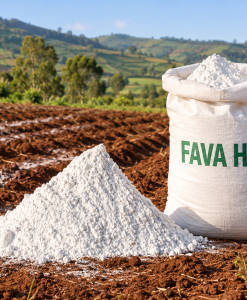
Dolomitic Agricultural Lime – Calcium and Magnesium for Healthier Soil and Better Crop Growth
KSh12,100.00
Dolomitic Agricultural Lime supplies essential calcium and magnesium to help correct acidic soils, address mineral deficiencies and support healthier crop development. It improves soil fertility conditions, promotes nutrient availability and helps address calcium-related disorders such as blossom-end rot where soil deficiencies are involved. An excellent addition to balanced soil and fertiliser management. 1000kg
Dolomitic Agricultural Lime – Enrich Your Soil with Essential Calcium and Magnesium
Healthy, productive crops begin with nutrient-rich soil. However, soil acidity and deficiencies in essential minerals such as calcium and magnesium can interfere with plant development, nutrient uptake and overall crop performance.
Dolomitic Agricultural Lime is a naturally occurring soil conditioner rich in two essential secondary plant nutrients: calcium and magnesium. It is used to correct acidic soils, replenish depleted mineral reserves and create more favourable conditions for healthy root development and crop growth.
Unlike ordinary agricultural lime, which primarily supplies calcium, dolomitic lime provides both calcium and magnesium, making it particularly valuable for farms where soil tests identify deficiencies in these two nutrients.
Whether you grow tomatoes, capsicums, cabbages, maize, beans, potatoes, fruits or other crops, incorporating dolomitic lime into an appropriate soil fertility programme can help address underlying soil limitations and support better crop development.
Benefits of Dolomitic Agricultural Lime
1. Supplies Two Essential Plant Nutrients
Dolomitic lime provides calcium and magnesium, both of which are essential for normal plant growth and development.
Calcium contributes to strong cell walls, healthy root development and proper plant tissue formation. Magnesium is the central element in chlorophyll, the green pigment responsible for capturing sunlight during photosynthesis.
Replenishing these minerals helps address deficiencies that can limit crop development.
2. Helps Reduce Stunted Plant Growth
Calcium and magnesium deficiencies can contribute to poor plant development, weak growth and reduced crop performance.
Calcium supports root and cell development, while magnesium is essential for photosynthesis and energy production. Where soil deficiencies or excessive acidity are responsible for stunted growth, dolomitic lime can help correct these underlying problems.
3. Helps Address Blossom-End Rot in Susceptible Crops
Blossom-end rot is a common physiological disorder affecting tomatoes, capsicums and other susceptible fruiting vegetables. It is associated with inadequate calcium reaching developing fruit tissues.
Dolomitic lime can help where insufficient soil calcium and acidic soil conditions contribute to the problem. By supplying calcium and correcting soil acidity, it can support better calcium nutrition.
However, blossom-end rot can also occur when irregular watering, root damage or other conditions interfere with calcium movement within the plant. Appropriate irrigation and balanced crop management remain essential.
4. Improves Soil Acidity Management
Highly acidic soils can restrict root development and reduce the availability of certain essential nutrients. They can also increase the risk of aluminium toxicity, which may damage plant roots.
Dolomitic lime neutralises soil acidity, gradually raising soil pH towards a more favourable range for crop production.
This helps create better conditions for roots to develop and access available soil nutrients.
5. Supports Better Soil Structure
Calcium and magnesium contribute to the chemical and physical properties of soil.
Calcium helps promote soil aggregation and can improve the structure of certain acidic, clay-rich soils. Magnesium also contributes to soil mineral balance.
When applied at appropriate rates based on soil analysis, dolomitic lime can help improve conditions for root penetration, water movement and soil aeration.
The benefits depend on the existing soil texture and the balance of calcium and magnesium. Excessive magnesium should be avoided, particularly in certain heavy clay soils.
6. Promotes Better Nutrient Availability and Uptake
Correct soil pH is essential for effective nutrient utilisation.
When soil is excessively acidic, certain nutrients may become less available, while others can reach concentrations that interfere with plant growth.
By correcting soil acidity and supplying calcium and magnesium, dolomitic lime helps establish more favourable conditions for the uptake of other essential plant nutrients.
This supports a more balanced and productive soil fertility environment.
7. Helps Optimise Fertiliser Expenditure
Applying fertiliser to soil with significant acidity or mineral deficiencies may not deliver the best possible value.
Dolomitic lime addresses two important aspects of soil fertility: acidity correction and calcium and magnesium replenishment.
By correcting these underlying limitations, farmers may improve the efficiency of their existing fertiliser programmes and avoid unnecessary additional applications where soil testing shows that they are not required.
Dolomitic lime does not replace fertilisers, but it helps create conditions in which plants can make better use of available nutrients.
Suitable for a Wide Range of Crops
Dolomitic Agricultural Lime can be incorporated into soil fertility programmes for:
- Tomatoes: Supports calcium nutrition and helps address soil conditions associated with blossom-end rot.
- Capsicums: Provides calcium and magnesium for healthy plant development and fruit production.
- Cabbages: Supports healthy vegetative growth and balanced mineral nutrition.
- Maize: Supplies calcium and magnesium while helping correct acidic soils.
- Beans: Helps maintain suitable soil pH conditions for root development and nutrient utilisation.
- Potatoes: Supports soil acidity management and balanced crop nutrition, subject to the crop’s specific pH requirements.
- Fruits and tree crops: Contributes essential calcium and magnesium to appropriate soil fertility programmes.
- Vegetables: Helps address mineral deficiencies and improve growing conditions in suitable soils.
Why Choose Dolomitic Agricultural Lime?
Successful farming requires more than simply applying fertiliser. The condition of the soil determines how effectively crops can access and utilise available nutrients.
Dolomitic Agricultural Lime offers farmers a practical way to address soil acidity while replenishing two important plant nutrients.
Its dual contribution of calcium and magnesium makes it particularly useful where soil testing identifies deficiencies in both minerals.
For smallholder farmers, horticultural producers and large-scale commercial agricultural operations, maintaining balanced soil nutrition is an important investment in sustainable crop production.
Correct soil acidity. Replenish calcium and magnesium. Create better growing conditions for healthier, more productive crops with Dolomitic Agricultural Lime.
Product Information
- Product: Dolomitic Agricultural Lime.
- Main mineral components: Calcium carbonate and magnesium carbonate.
- Primary nutrients supplied: Calcium and magnesium.
- Main application: Agricultural soil conditioning and acidity correction.
- Additional benefits: Helps address calcium and magnesium deficiencies and supports balanced soil fertility.
- Suitable for: Vegetables, cereals, legumes, fruits and other agricultural crops, according to soil requirements.
Application Guidelines
For effective results, conduct a soil test before application to establish soil pH, calcium and magnesium levels and the appropriate lime requirement.
Apply the recommended quantity and incorporate it into the soil where appropriate, preferably before planting. Dolomitic lime reacts gradually, so applying it sufficiently early allows time for it to correct soil acidity.
Application rates depend on soil type, existing pH, magnesium levels, crop requirements and the product’s neutralising value and fineness.
Avoid excessive application, as over-liming can create nutrient imbalances and reduce the availability of certain essential nutrients.
Important: Dolomitic lime is a soil conditioner and mineral amendment, not a complete fertiliser. It does not replace nitrogen, phosphorus, potassium or other essential crop nutrients. Its suitability should be established through soil testing. Improvements in blossom-end rot, plant growth and fertiliser efficiency depend on the underlying soil conditions and overall crop management.
Be the first to review “Dolomitic Agricultural Lime – Calcium and Magnesium for Healthier Soil and Better Crop Growth”
Related products




Reviews
There are no reviews yet.