
Healthy Life
Cocoa Beans: The Extraordinary Science Behind the World’s Favourite Flavour
Jul
Cocoa Beans: The Extraordinary Science
Behind the World’s Favourite Flavour
From 3,500 years of cultivation to modern clinical trials — how the cocoa bean became the most studied food crop for cardiovascular health.
The cocoa bean — the seed of Theobroma cacao, a tropical tree native to Mesoamerica — has one of the longest and most consequential agricultural histories of any food crop on earth. Archaeological evidence places its cultivation and use by Olmec, Maya, and Aztec civilisations at over 3,500 years ago. Consumed as a bitter drink, used as currency, and traded across ancient trade routes, the cacao bean was deeply woven into the social and economic fabric of pre-Columbian Mesoamerica long before European explorers brought it back to the Old World in the sixteenth century.
Cocoa beans (the seeds of the cacao pod, processed and dried) are among the most nutrient-dense, antioxidant-rich, and pharmacologically complex foods identified in the scientific literature. A single raw cacao bean contains magnesium, iron, zinc, manganese, phenylethylamine, anandamide, theobromine, tryptophan, and one of the highest concentrations of flavanols — the plant compounds with the strongest evidence base for cardiovascular protection — of any food on earth.
This guide provides a complete, science-grounded examination of cocoa beans: their phytochemistry, their proven health benefits, the critical distinction between raw cacao and processed cocoa, and practical guidance on how to incorporate them into your daily diet and wellness practice.
What Are Cocoa Beans?
- Botanical Name
- Theobroma cacao
- Plant Family
- Malvaceae
- Native Range
- Mesoamerica (Mexico, Central America)
- Part Used
- Seeds (beans) from the pod
- Cultivation Belt
- 20° north and south of the Equator
- Years in Cultivation
- Over 3,500 years
Cocoa beans are the seeds of the cacao tree — a small, shade-loving tropical tree that grows to between four and eight metres and produces large, ribbed pods directly from its trunk and main branches. Each pod contains 20 to 50 seeds (beans) embedded in a sweet, mucilaginous white pulp. The pods are harvested by hand twice a year, the beans extracted, and then subjected to a series of processing stages — fermentation, drying, and optionally roasting — that transform the raw, bitter, astringent seeds into the complex, aromatic cocoa products familiar from chocolate manufacturing.
The tree is an obligate tropical species, requiring warmth, humidity, and typically some shade — particularly when young. It grows only within approximately 20 degrees north and south of the equator, with West Africa now accounting for more than 70% of global production. The tree begins producing pods at three to five years of age and can continue productive harvesting for thirty years or more.
The Three Varieties of Cacao
Commercial cacao production draws from three principal genetic varieties, each with distinct flavour profiles, growing characteristics, and production economics. The variety determines the base flavour character of the resulting chocolate or cocoa product.
The original cultivated cacao, grown for thousands of years by the Maya. Produces pale, thin-shelled pods with white or light-coloured beans and an exceptionally complex, nuanced flavour with low bitterness. Less than 5% of world production. Commands the highest prices; used by premium artisan chocolate makers.
Accounts for approximately 80 to 85% of global cocoa production. Higher-yielding, more disease-resistant, and easier to cultivate than Criollo. Produces a bolder, more straightforwardly “chocolatey” flavour with higher bitterness and astringency. The commercial backbone of the global chocolate industry.
A natural hybrid of Criollo and Forastero, originating in Trinidad. Combines the complex flavour notes of Criollo with the greater vigour and yield of Forastero. Accounts for 10 to 15% of world production and is valued by single-origin craft chocolate producers for its range and depth of flavour.
Active Compounds and Nutrition
Cocoa beans contain one of the most pharmacologically rich and diverse compound profiles of any food crop. The full nutritional and phytochemical profile of raw cacao is genuinely extraordinary, and it is worth examining the key compounds in detail to understand why cacao has attracted more nutritional science research than almost any other food.
| Compound | Class | Key Actions |
|---|---|---|
| Epicatechin | Flavanol (catechin) | Primary cardiovascular compound; improves endothelial function, lowers blood pressure, reduces LDL oxidation, anti-inflammatory |
| Procyanidins | Oligomeric flavonoids | Potent antioxidant, cardiovascular protection, anti-inflammatory, antimicrobial |
| Theobromine | Methylxanthine alkaloid | Mild stimulant, bronchodilator, mood elevation, cardiovascular support, diuretic — the primary alkaloid in cacao |
| Phenylethylamine (PEA) | Trace amine | Mood elevation, dopamine and serotonin release trigger, the “love chemical” — produced in the brain during attraction and exercise |
| Anandamide | Endocannabinoid | The “bliss molecule” — binds cannabinoid receptors, produces sense of wellbeing; also inhibits its own breakdown in cacao |
| Tryptophan | Essential amino acid | Serotonin precursor; mood regulation, sleep quality, appetite control |
| Magnesium | Macro-mineral | Cofactor for 300+ enzymatic reactions; muscle function, nervous system, bone health, blood pressure — raw cacao is one of the richest food sources |
| Iron (non-haem) | Trace mineral | Oxygen transport, energy production, immune function — significant content per 100g raw cacao |
| Caffeine | Methylxanthine alkaloid | CNS stimulant — at lower levels than coffee; synergistic with theobromine for smooth, sustained energy |
| Quercetin & Kaempferol | Flavonoids | Anti-inflammatory, antioxidant, cardiovascular support, antihistamine |
The compound that has attracted the greatest scientific attention is epicatechin, a flavanol that is present in raw cacao at concentrations rivalled only by green tea in the plant kingdom. Epicatechin works primarily by stimulating nitric oxide (NO) production in the endothelium — the thin cellular lining of blood vessels. Nitric oxide signals blood vessel walls to relax and dilate, reducing peripheral resistance and blood pressure, improving blood flow to organs and muscles, and preventing the vascular stiffness that underlies much cardiovascular disease. The epidemiologist Norman Hollenberg at Harvard Medical School, who studied the Kuna Indians of Panama — who consume up to five cups of high-flavanol cacao per day and show near-zero rates of hypertension and cardiovascular disease despite living long lives — described epicatechin as so physiologically important it might deserve consideration as an essential nutrient.
Raw Cacao vs Cocoa: The Critical Distinction
No topic generates more confusion among health-conscious consumers of chocolate products than the cacao versus cocoa question. The terms are used interchangeably in casual conversation — and often on product labels — but they describe meaningfully different products with different nutritional profiles, different flavour characteristics, and different price points.
Both begin as the same raw material: the fermented, dried seeds of Theobroma cacao. The distinction arises in what happens next.
- Beans cold-pressed rather than roasted
- Powder produced at low temperatures to preserve flavanols
- Maximum flavanol and polyphenol content retained
- Highest antioxidant capacity of any cacao product
- More bitter, less rounded flavour
- Higher enzyme activity (cold-pressed products)
- Sold as: raw nibs, raw powder, raw butter
- Typically costs more per gram
- Beans roasted at 120–150°C before processing
- Roasting reduces flavanol content by 40–60%
- Lower but still significant antioxidant capacity
- More complex, developed chocolate flavour
- Better bioavailability of some compounds post-fermentation
- Dutch-processed cocoa further reduces flavanols (alkali treatment)
- Sold as: cocoa powder, dark chocolate, cocoa butter
- More widely available and affordable
The practical recommendation is nuanced. For maximum flavanol content and antioxidant capacity, raw cacao nibs or natural (non-Dutch-processed) cacao powder are the superior choices. For flavour development and culinary versatility, high-quality dark chocolate (70% cacao content and above) still delivers a meaningful and well-studied therapeutic flavanol dose while providing the sensory experience that makes regular consumption easy to sustain. A natural (non-alkali) cocoa powder used in baking or hot drinks is an excellent middle ground — lower cost than raw cacao, better flavour than raw, and still rich in flavanols.
Health Benefits of Cocoa Beans
Cardiovascular Health
Epicatechin and procyanidins improve endothelial function, lower blood pressure, and prevent LDL oxidation — the strongest botanical evidence base in cardiovascular nutrition.
Mood and Brain Health
PEA, anandamide, tryptophan, and theobromine work together to elevate mood, support serotonin production, and provide sustained mental clarity.
Antioxidant Power
ORAC score of up to 167,000 per 100g of raw cacao powder — among the highest of any food measured in nutritional science.
Blood Sugar Balance
Flavanols improve insulin sensitivity and slow glucose absorption — meaningful support for metabolic health and diabetes prevention.
Gut Microbiome
Cacao polyphenols act as prebiotics, selectively nourishing Lactobacillus and Bifidobacterium species while reducing inflammatory gut bacteria.
Skin Health
Flavanols increase skin blood flow, improve hydration and elasticity, and provide UV protection — delivering measurable improvements in skin appearance.
Cardiovascular Health — The Strongest Evidence
The cardiovascular evidence for cocoa flavanols is among the strongest and most consistent in nutritional science. The mechanism is well understood: epicatechin and other flavanols stimulate endothelial cells to produce nitric oxide through the eNOS enzyme pathway. Nitric oxide signals vascular smooth muscle to relax, reducing blood pressure and improving arterial flexibility. Over time this prevents the endothelial dysfunction that precedes atherosclerosis, heart attack, and stroke.
A meta-analysis of 42 randomised controlled trials published in the British Medical Journal found that cocoa flavanol supplementation significantly reduced both systolic and diastolic blood pressure across diverse patient populations. A separate landmark study — the COSMOS-Cocoa trial involving 21,000 participants — found that daily cocoa flavanol supplementation reduced cardiovascular mortality by 27% compared to placebo, making it one of the largest positive outcomes in nutritional cardiovascular research.
Mood Elevation and Brain Health
Cacao’s mood-elevating properties are not merely a matter of pleasure or habit — they are grounded in measurable neurochemical mechanisms. Phenylethylamine (PEA), present in raw cacao at concentrations detectable in the brain after consumption, triggers the release of dopamine and serotonin and is the same compound the brain produces during romantic attraction and intense physical exercise. It is metabolised rapidly in most individuals but persists longer in some, contributing to cacao’s reputation as a mood-lifting food. Anandamide — named from the Sanskrit word for bliss — is the brain’s own endocannabinoid, produced naturally during states of wellbeing. Cacao not only contains anandamide itself but also contains compounds that inhibit its enzymatic breakdown, effectively prolonging its activity in the brain. Tryptophan, the dietary precursor to serotonin, is present in meaningful quantities, contributing to the sustained mood stabilisation associated with regular moderate cacao consumption.
Gut Microbiome Support
Cocoa’s polyphenols — which are largely not absorbed in the small intestine — pass into the colon where they are metabolised by the gut microbiome. Research has shown that this interaction is beneficial: cacao polyphenols selectively stimulate the growth of Lactobacillus and Bifidobacterium species (associated with gut health, immune function, and mental health via the gut-brain axis) while reducing populations of potentially pathogenic bacteria. The fermented cocoa bean is a particularly effective prebiotic because the fermentation process produces short-chain fatty acids that further support colonic health.
Skin Health
The skin benefits of regular cocoa flavanol consumption have been demonstrated in published clinical research. A 12-week randomised trial found that participants consuming high-flavanol cocoa showed significant improvements in skin hydration, elasticity, and blood flow compared to low-flavanol controls, with reduced roughness and scaling. The mechanism involves flavanol-driven improvements in dermal blood circulation (delivering more nutrients and oxygen to skin tissue), UV photoprotection through antioxidant quenching of reactive oxygen species, and inhibition of the matrix metalloproteinases that degrade collagen and elastin. Topically, raw cacao butter is one of the most nourishing and widely used natural skin moisturisers, rich in stearic and oleic fatty acids with excellent skin compatibility.
Cocoa Beans as a Mineral Source
Beyond its polyphenol content, raw cacao is one of the most mineral-dense foods available. The following figures are per 100g of raw cacao nibs and represent approximate values that vary with origin and processing.
The magnesium content of raw cacao deserves particular attention. At approximately 499 mg per 100g, raw cacao nibs provide more magnesium per gram than any other commonly consumed food. Magnesium is a cofactor for over 300 enzymatic reactions in the human body — including those governing energy production, muscle contraction, nervous system function, bone mineralisation, blood glucose regulation, and blood pressure control. Widespread magnesium deficiency has been documented in modern populations globally, and regular raw cacao consumption is one of the most pleasurable corrective strategies available.
Cacao
Nibs
Premium Raw Cacao Nibs
Cracked, winnowed, and cold-dried cacao beans — no roasting, no additives. Maximum flavanol and mineral content preserved. Crunchy, intensely chocolatey, and exceptionally versatile in smoothies, granola, baking, and raw confectionery.
Shop Now View All ProductsHow to Use Cocoa Beans
The versatility of cocoa beans across food, beverage, and wellness applications is one of the things that makes regular therapeutic consumption so easy to sustain. Below are the most practical and effective formats.
Cracked cacao beans with the shell removed. Add to smoothies, porridge, granola, yogurt, trail mix, or baked goods. They provide a powerful flavanol dose in a crunchy, intensely flavoured format. Start with 10 grams daily and increase to 20 grams as tolerance develops. Their bitterness pairs well with banana, dates, or honey.
Ground from cold-pressed, defatted cacao nibs. Use in hot chocolate, smoothies, baking, raw energy balls, and sauces. Two tablespoons (about 14g) in warm oat milk with a pinch of cinnamon and honey makes an exceptionally nutritious, flavanol-rich drink. Choose natural (non-Dutch-processed) powder for maximum flavanol retention.
The fat pressed from cacao beans — ivory white, with a delicate chocolate fragrance. Used in raw chocolate making, added to bulletproof coffee, incorporated into baking, or applied directly to skin. As a skincare ingredient it is one of the most nourishing natural moisturisers — rich in stearic and oleic fatty acids with excellent skin compatibility and barrier support.
Made by combining cacao paste (ground nibs), cacao butter, and a natural sweetener such as coconut sugar or raw honey — then setting in moulds. This preserves the full flavanol profile of the raw bean in a highly palatable format. Add lucuma, maca, vanilla, or sea salt for flavour complexity. Small daily amounts (15–25g) are both pleasant and therapeutically meaningful.
The most accessible delivery format for cacao flavanols. Choose 70% cacao content or above — the higher the percentage, the greater the flavanol content and the lower the sugar. A 20 to 40g daily portion of 85% dark chocolate delivers a clinically meaningful flavanol dose while providing an easily sustained daily ritual. Look for bars that list “cacao mass” or “cocoa solids” as the first ingredient.
The papery outer shells removed during nibs processing are typically discarded but make a delicious, mildly stimulating tea with a genuine chocolate flavour. Steep one tablespoon of dried cocoa husks per 300ml of boiling water for 5 minutes. Strain and drink with or without milk. An elegant, low-waste way to enjoy the flavanol-containing outer layer of the bean that most processors discard.
Cocoa in African Agriculture
Africa produces more than 70% of the world’s cocoa, making it the agricultural foundation of the global chocolate industry — a fact that is often invisible to the consumers who eat that chocolate. Ivory Coast and Ghana together account for approximately 60% of world supply, with Nigeria, Cameroon, and Tanzania contributing further significant volumes. Kenya has a smaller but growing cacao sector, particularly along the coastal strip and in parts of western Kenya where the climate and soil conditions support the crop.
The global cocoa supply chain has faced long-standing scrutiny over farmer income equity — with farm-gate prices typically representing a very small fraction of the final retail value of chocolate products. This has driven a growing movement toward direct-trade and single-origin cocoa, in which buyers engage directly with small-scale farmers or cooperatives, pay premium prices that reflect the true quality of the crop, and provide end consumers with traceability from bean to product. When you buy cocoa beans, nibs, or butter from a source that specifies the farm or region of origin and publishes its supply chain practices, you are participating in a model that is materially better for the farming communities at the base of the industry.
- Africa’s Share
- 70%of global cocoa supply
- Years Cultivated
- 3,500+years of recorded cultivation
- ORAC Score
- 167Kper 100g raw cacao
- Magnesium
- 499mgper 100g — highest in foods
Butter
Raw Cacao Butter
Cold-pressed from premium cacao beans — undeodorised, retaining its delicate natural chocolate fragrance. Food-grade and cosmetic-grade in one product. Excellent for raw chocolate making, natural skincare, and culinary use. Solid at room temperature, melting at body heat.
Shop Cacao ButterDosage and Safety
Safety and Contraindications
- Do not feed to animals: Theobromine is toxic to dogs, cats, horses, and many other animals. It is metabolised far too slowly in these species and causes severe toxicity even at small doses. Keep all cacao and chocolate products securely away from pets.
- Caffeine sensitivity: Raw cacao contains caffeine. A 10g serving of raw cacao nibs delivers approximately 23 to 27 mg of caffeine — less than a cup of tea. Those with caffeine sensitivity should consume in the morning and monitor tolerance. Avoid large amounts in the hours before sleep.
- Migraines: Cacao is a recognised migraine trigger in some individuals, likely through its phenylethylamine, tyramine, and theobromine content. Those with a history of chocolate-triggered migraines should introduce cacao cautiously and monitor response.
- MAOI medications: Phenylethylamine in cacao can interact with monoamine oxidase inhibitor (MAOI) antidepressants, potentially causing elevated blood pressure. Those on MAOI therapy should avoid therapeutic-dose cacao consumption.
- Oxalate content: Cacao is moderately high in oxalates. Those with a history of calcium oxalate kidney stones should limit raw cacao consumption and ensure adequate hydration.
- Pregnancy: Moderate dark chocolate and cocoa consumption during pregnancy is generally considered safe at normal dietary amounts. Therapeutic-dose supplementation with concentrated cacao flavanol extracts has not been adequately studied in pregnancy — apply caution and discuss with a healthcare provider.
- Cadmium: Cacao from some origins (particularly South American) can contain elevated cadmium, a naturally occurring heavy metal that accumulates in some soils. Choose cacao from reputable suppliers who test for heavy metals, particularly for children or for high daily intake.
At the consumption levels most easily sustained — 10 to 20 grams of raw cacao nibs or powder daily, or 20 to 40 grams of high-quality dark chocolate — cocoa beans have an excellent safety record supported by decades of epidemiological research and clinical trials. The safety concerns above are real but apply primarily to very high consumption levels, specific medical contexts, or companion animals. For healthy adults eating cacao as part of a balanced diet, it is one of the most benign and simultaneously beneficial foods available.
Frequently Asked Questions
The following answers address the highest-volume searches around cocoa beans and raw cacao, written to earn featured snippet and People Also Ask placements.
What are the health benefits of cocoa beans?
What is the difference between cacao and cocoa?
How do you eat raw cocoa beans?
Are raw cocoa beans a superfood?
How much cocoa should you eat per day?
Is cocoa bean good for the heart?
Do cocoa beans contain caffeine?
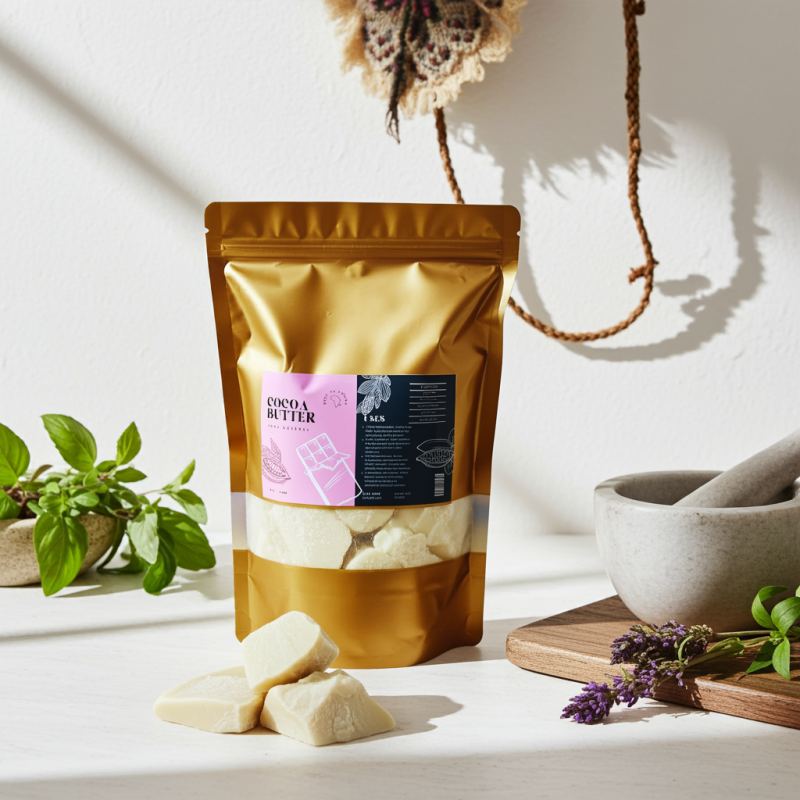
Organic Cocoa Butter 1kg Food Grade
Pure raw cocoa butter, you can even eat it. No middlemen, produced in a farm that respects organic principles.
- Food grade cocoa butter
- For 2024 season, minimum order is 10 kilos due to the shortage issue of cocoa beans.
- For 2024 season, we are only working against paid backorders only.
- Delivery takes 7-10 days.
- Incase of delay in payment, delivery can take 21 days. This is because raw material costs differ from one day to the other, for now.
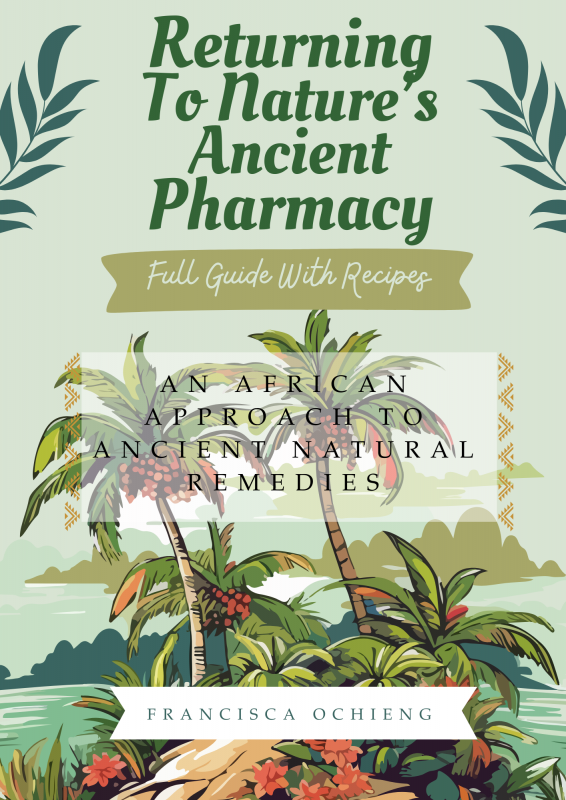
Book: Returning To Nature’s Ancient Pharmacy -An African Approach To Natural Remedies
What You’ll Discover:
- Daily Herbal Remedies backed by Scripture and tradition
- Natural healing foods like raw honey, fermented drinks, and superfruits
- Uses of animal fats like tallow, ghee, and bone broth
- African healing plants like hibiscus, tamarind, and baobab
- Teas and Adaptogens for stress, energy, and hormone balance
- Spiritual insights on God’s design for healing and wellness
- Practical recipes, homemade remedies, and devotional reflection

