
Healthy Life
Ugandan Robusta Coffee: Higher Caffeine, Higher Antioxidants. The Complete Guide.
Jul
ROBUSTA
COFFEE
Higher caffeine, higher antioxidants, and a precision grading system built on screens — the complete science of Coffea canephora.
Robusta coffee (Coffea canephora) is the second most commercially produced coffee species on earth, accounting for approximately 40% of global production and forming the backbone of the world’s espresso blends, instant coffees, and commercial roasts. It is named not for its flavour but for its character as a plant — robusta means robust, and this coffee earns that name. Where Arabica is delicate, altitude-dependent, and vulnerable to disease, Robusta thrives at lower elevations, resists pests and pathogens, yields prolifically, and tolerates growing conditions that would devastate an Arabica plantation.
In the cup, Robusta is equally direct. It contains nearly double the caffeine of Arabica, significantly higher concentrations of chlorogenic acid antioxidants, and produces a thicker, more persistent espresso crema. Uganda’s fine Robusta movement — driven by altitude-grown, carefully processed beans from the Mt. Elgon region and the Lake Victoria basin — is producing Robusta that commands specialty-grade prices and scores well in blind cupping competitions, rapidly changing the industry’s perception of this species.
This guide covers the science and the commerce of Robusta comprehensively — from its phytochemistry and proven health benefits to a thorough explanation of the coffee screen grading system that defines its quality classification globally.
What Is Robusta Coffee?
- Botanical Name
- Coffea canephora
- Common Synonym
- Coffea robusta
- Plant Family
- Rubiaceae
- Origin
- Sub-Saharan Africa (Congo basin)
- Growing Altitude
- 0 – 800 metres
- Caffeine Content
- 2.7% dry weight
- Global Share
- Approx. 40% of production
- Key Producers
- Vietnam, Brazil, Uganda, Indonesia
Coffea canephora is a diploid species (2n = 22 chromosomes), making it genetically simpler than the allotetraploid Arabica (2n = 44). It is self-incompatible, requiring cross-pollination to set fruit, which drives genetic diversity across Robusta populations and contributes to wide variation in cup quality across origins. The plant grows as a large shrub or small tree reaching four to ten metres, producing white, jasmine-scented flowers and bright red cherries slightly smaller than Arabica fruit.
The higher caffeine content of Robusta — approximately 2.7% of dry bean weight compared to 1.5% in Arabica — is not accidental. Caffeine is toxic to insects and fungi at the concentrations produced in Robusta leaves and beans, functioning as the plant’s primary pest-resistance mechanism. This is precisely why Robusta can be grown at lower altitudes where disease and pest pressure are greater than in the cool elevated zones where Arabica thrives — a classical example of a plant’s secondary metabolites serving both plant survival and human therapeutic benefit simultaneously.
Active Compounds and Phytochemistry
Robusta coffee contains a rich and well-characterised phytochemical profile. Several key compounds are present at higher concentrations than in Arabica, making Robusta’s nutritional case stronger than its commercial reputation has historically suggested.
| Compound | Class | Key Actions |
|---|---|---|
| Caffeine | Methylxanthine alkaloid | CNS stimulation, adenosine receptor antagonism, metabolic boost, physical performance enhancement, neuroprotection — at higher levels than Arabica |
| Chlorogenic Acids (CGAs) | Hydroxycinnamic acid esters | Exceptional antioxidant and anti-inflammatory activity, blood glucose modulation, liver protection, blood pressure support — higher in Robusta (7–12%) than Arabica (5.5–8%) |
| Trigonelline | Pyridine alkaloid | Niacin (Vitamin B3) precursor during roasting; neuroprotective, antimicrobial, hypoglycaemic activity in green bean form |
| Melanoidins | Maillard reaction polymers | Antioxidant, prebiotic, antimicrobial; formed during roasting and contribute to colour, body, and crema stability |
| Diterpenes (Cafestol, Kahweol) | Diterpenoid alcohols | Anti-inflammatory, hepatoprotective, chemopreventive activity in research — present in unfiltered coffee; removed by paper filter |
| Theobromine | Methylxanthine alkaloid | Mild stimulant and bronchodilator; present at lower concentrations than cacao but contributes to Robusta’s sustained energy profile |
| Niacin (Vitamin B3) | B-vitamin | Generated from trigonelline during roasting; energy metabolism, DNA repair, cardiovascular support |
| Potassium | Macro-mineral | Blood pressure regulation, muscle function, electrolyte balance — significant in brewed coffee |
| Total Polyphenols | Mixed phenolics | Broad antioxidant and anti-inflammatory activity; Robusta has higher total polyphenol content than Arabica per 100g dry weight |
The chlorogenic acids (CGAs) are the most clinically significant compounds in Robusta coffee, present at concentrations of 7 to 12% of dry bean weight — notably higher than the 5.5 to 8% found in Arabica. CGAs are esters of quinic acid and cinnamic acid derivatives, with 5-caffeoylquinic acid (5-CQA) the predominant form. They are among the most extensively researched plant phenolics, with documented antioxidant, anti-inflammatory, hypoglycaemic, hepatoprotective, and antihypertensive activities across both in vitro and clinical studies. Their concentration makes high-quality Robusta arguably the superior coffee from a pure antioxidant standpoint.
Health Benefits of Robusta Coffee
Cognitive Performance
High caffeine content blocks adenosine receptors, increasing alertness, focus, reaction time, and working memory with measurable, reproducible effects.
Antioxidant Protection
Higher chlorogenic acid concentration than Arabica provides exceptional free radical scavenging and protection against chronic disease and oxidative ageing.
Liver Health
Regular coffee consumption is consistently associated with reduced liver cirrhosis, NAFLD progression, and liver cancer risk — one of the most replicated findings in nutritional epidemiology.
Diabetes Prevention
Chlorogenic acids improve insulin sensitivity and slow glucose absorption — with both decaf and caffeinated coffee showing protective associations in large population studies.
Physical Performance
Caffeine at 3–6 mg per kg body weight demonstrably improves endurance, power output, and exercise capacity — among the most evidence-supported ergogenic aids available.
Neuroprotection
Epidemiological data consistently links regular coffee consumption with reduced risk of Parkinson’s disease and Alzheimer’s disease across diverse global populations.
Liver Protection — The Strongest Evidence
The association between coffee consumption and liver health is among the most robust and repeatedly replicated findings in nutritional epidemiology. Across dozens of large cohort studies encompassing millions of participants, regular coffee consumption — whether caffeinated or decaffeinated — is consistently associated with reduced risk of liver cirrhosis, non-alcoholic fatty liver disease progression, and hepatocellular carcinoma. A dose-response relationship has been observed: each additional cup of coffee per day is associated with a further reduction in cirrhosis risk of approximately 22%.
The mechanisms involve multiple compounds simultaneously. Chlorogenic acids reduce hepatic fat accumulation and liver inflammation. Cafestol and kahweol (diterpenes in unfiltered coffee) have demonstrated hepatoprotective and chemopreventive activity in cell and animal studies. Caffeine inhibits the activation of hepatic stellate cells — the primary drivers of liver fibrosis. This multi-compound, multi-mechanism action explains why coffee’s liver-protective effect holds across different preparation methods.
Cognitive Performance and Neuroprotection
Robusta’s elevated caffeine content makes it the most potent coffee option for acute cognitive enhancement. Caffeine works by blocking adenosine receptors — adenosine is the brain’s primary sleep-promoting compound, and its accumulation drives mental fatigue. By blocking its receptors, caffeine reverses alertness decline, improves reaction time, enhances working memory, and increases the speed of information processing. These effects are demonstrable at doses as low as 75 mg (approximately one small cup of Robusta) and scale with dose up to approximately 400 mg daily.
A comprehensive meta-analysis published in the European Journal of Nutrition examining 36 studies and over 1.2 million participants found that two to four cups of coffee daily was associated with a 28% lower risk of type 2 diabetes, a 39% lower risk of liver cancer, a 21% lower risk of Parkinson’s disease, and a 16% lower risk of all-cause mortality compared to non-coffee drinkers. The association held for both caffeinated and decaffeinated coffee, implicating chlorogenic acids and other non-caffeine compounds as primary drivers of the metabolic and hepatic benefits.
BEANS
SCR 17
Premium Screen 17 Robusta Coffee Beans
Large-bean Screen 17 Robusta — sorted for uniformity, zero primary defects, available green or roasted to order. Exceptional crema production with a bold, full-bodied cup. Ideal for espresso blending and commercial roasting.
Shop Now View All CoffeeRobusta vs Arabica: Complete Comparison
The Robusta vs Arabica divide is the most fundamental distinction in the global coffee industry. Understanding the differences in plant biology, growing requirements, chemistry, flavour, and commercial application helps buyers, roasters, and consumers choose the right coffee for their specific needs.
| Property | Robusta | Arabica |
|---|---|---|
| Botanical Name | Coffea canephora | Coffea arabica |
| Caffeine Content | 2.7% dry weight Higher | 1.5% dry weight |
| Chlorogenic Acids | 7–12% Higher | 5.5–8% |
| Sugar Content | 3–7% | 6–9% |
| Lipid Content | 10–11.5% | 15–17% |
| Crema Quality | Thicker, longer lasting Better | Thinner, dissipates faster |
| Growing Altitude | 0–800 metres | 1,000–2,500 metres |
| Disease Resistance | High Better | Low — susceptible to leaf rust |
| Yield per Hectare | Higher Better | Lower |
| Flavour Profile | Bold, earthy, bitter, intense | Sweet, acidic, fruity, complex |
| Bean Shape | Rounder, generally smaller | More oval, typically larger |
| Farm Gate Price | Lower commodity price | Higher — especially specialty |
| Best Use | Espresso blends, instant coffee | Single-origin, filter, specialty |
The traditional view that Arabica is categorically superior to Robusta is commercially entrenched and increasingly contested. Fine Robusta — grown at higher altitudes within the Robusta belt (particularly Uganda’s 1,200m to 1,500m highland zones), carefully fermented and washed, and graded at Screen 17 or above — can produce cups that are complex, clean, and genuinely distinguished. The specialty coffee community’s growing engagement with fine Robusta reflects an evidence-based reassessment rather than a marketing trend.
Coffee Screens: The Complete Grading Guide
Understanding coffee screens is essential for anyone buying, selling, or roasting Robusta commercially. Screen size is the primary physical classification used in international coffee trading, directly affects roasting consistency and cup quality, and determines the price tier at which coffee is traded. Here is everything you need to know.
What Is a Coffee Screen?
A coffee screen is a flat, circular metal disc perforated with uniformly sized, precisely measured holes. Coffee beans are passed over — or vibrated through — a series of these screens in a mechanical grader. Beans too large to fall through a given screen are retained and classified at that screen size or larger. Beans that pass through fall to the next smaller screen. This process separates a batch of coffee into size fractions with high precision.
Screen sizes are measured in increments of 1/64 of an inch. Screen 15 therefore has holes measuring 15/64 of an inch in diameter — equivalent to 5.95mm. Screen 18 has holes of 18/64 inch, or 7.14mm. The larger the screen number, the larger the bean retained on it. Screens are typically used in ascending sequence — starting with the largest and moving to progressively smaller — to produce a complete size profile of a given coffee lot.
Robusta Screen Sizes — Detailed Reference
Why Screen Size Matters
Roasting Consistency
Beans of different sizes roast at different rates. A mixed-screen batch produces uneven results — some beans underdeveloped, others scorched — resulting in unpredictable cup quality. Screen uniformity is the foundation of quality roasting.
Extraction Uniformity
Larger, more uniform beans grind more consistently. In espresso production, grind consistency directly controls extraction yield. Screen-sorted Robusta enables tighter grind settings and more repeatable extraction parameters across commercial batches.
Quality Indicator
While screen size alone does not guarantee cup quality, larger beans are generally associated with better growing conditions, higher density, and more complex flavour compounds. Screen 17 and 18 Robusta from quality origins consistently scores higher in cupping than Screen 13–14 commodity grades.
Commercial Pricing
International Robusta is traded with screen size as a primary price differentiator. Screen 15 and below commands commodity pricing. Screen 17 and 18 from certified origins attract significant premiums. Knowing the screen of your beans is essential for buyers and sellers negotiating fair prices.
Grading Systems by Country
Screen size is one component of quality grading. Producing countries maintain their own standards that typically combine screen size with defect count, moisture content, and cup quality assessment.
- Screen 18: Fine Robusta Grade A
- Screen 17: Fine Robusta Grade B
- Screen 15–16: Standard Export Grade
- Below Screen 15: Off-grade / rejects
- Moisture: max 12.5%
- Defects assessed per 300g sample
- WUG (Washed Uganda Good) for washed
- Grade 1: max 0.5% black/brown beans
- Grade 2: max 1.0% defects
- Grade 3: max 2.0% defects
- Moisture: max 12.5%
- Primarily defect-based, not screen-dominant
- Processed mostly as natural (sun-dried)
- Screen 13+ typically for Grade 1
- Grade 1: max 11 defects per 300g
- Grade 2: 12–25 defects
- Grade 3: 26–44 defects
- Grade 4a: 45–80 defects
- Grade 4b: 80–150 defects
- Grade 5/6: 150–225 / 225+ defects
- Grade 1 typically Screen 16+
- Conilon variety (Brazilian Robusta)
- Graded: Fine Cup, Hard, Riado, Rio
- Screen 15+ for standard export
- Defect count per 300g sample
- Moisture max 12.5%
- Primarily natural-processed
- Mostly blended with Arabica for export
Beyond Screen Size: Complete Quality Parameters
A complete quality assessment of Robusta goes beyond screen size alone. Professional buyers and graders evaluate these parameters in combination:
Defect Count
Full defects per 300g sample, counting black beans, sour beans, broken beans, insect damage, husks, and foreign matter. Specialty grade: zero Category 1 defects, max five Category 2 defects per 300g.
Moisture Content
Target 10–12.5% for green beans. Above 12.5% risks mould during storage. Below 10% produces brittle beans prone to chipping during milling, creating fines that negatively impact extraction and flavour.
Bean Density
Denser beans — associated with higher altitude and slower maturation — roast more evenly and produce more complex cups. Density sorting via gravity tables is used alongside screen sorting by premium producers.
Cup Quality Score
SCA cupping protocol scores Robusta on fragrance, aroma, flavour, aftertaste, body, and balance. Fine Robusta scoring above 80 points qualifies as specialty grade — a bar that increasing numbers of Uganda fine Robusta lots now achieve.
How to Use Robusta Coffee
-
01Espresso Blending
Robusta’s greatest commercial application is espresso blending. Its higher caffeine and lower fat content relative to Arabica produces a thicker, more persistent crema due to higher CO2 retention and emulsifying compound content. Italian espresso tradition typically calls for 20 to 30% Robusta in a blend, contributing body, intensity, and crema stability while Arabica provides sweetness, acidity, and aromatic complexity. For home blending, start with 80% Arabica / 20% Robusta and adjust to taste and desired crema.
-
02Vietnamese-Style Iced Coffee
Vietnam — the world’s largest Robusta producer — has developed a coffee culture built entirely around Robusta. Cà phê sữa đá (Vietnamese iced coffee) is brewed via a small phin drip filter using finely ground Robusta, producing a very strong, intensely flavoured concentrate sweetened with condensed milk and poured over ice. The bold character of Robusta is perfectly balanced by the sweetness of condensed milk. This is one of the most accessible and distinctively satisfying ways to experience Robusta’s unique flavour.
-
03Moka Pot
The stovetop Moka pot produces a concentrated, espresso-like result that showcases Robusta’s bold character particularly well. Use a medium-fine grind, fill the basket to the brim without tamping, and brew over medium heat. The resulting coffee is intensely flavoured and full-bodied — excellent as a base for milk drinks or enjoyed black with a little honey in the East African tradition. Screen 15 to 16 Robusta is ideal for Moka pot use, offering a good balance of intensity and extraction consistency.
-
04Cold Brew
Cold brewing Robusta dramatically transforms its character. The cold extraction process draws out significantly less of the bitter compounds that define hot-brewed Robusta, producing a smooth, intensely chocolatey, low-acid concentrate with exceptional body. Use a ratio of 1:7 coffee to water for concentrate, or 1:12 for ready-to-drink cold brew. Steep coarsely ground Robusta in cold water for 12 to 24 hours in the refrigerator. The high caffeine content means Robusta cold brew concentrate can be very potent — dilute to taste and preference.
-
05French Press
French press brewing allows the full body and intensity of Robusta to express itself without the restriction of a paper filter — preserving the diterpenes (cafestol and kahweol) that contribute to its hepatoprotective properties. Use a coarse grind, a water temperature of 92 to 95 degrees Celsius, and a brew time of four minutes. Screen 16 or 17 Robusta performs particularly well in French press, producing a bold, full-bodied cup with excellent mouthfeel and complex earthy notes.
-
06Green Coffee Supplementation
Unroasted green Robusta beans retain their full chlorogenic acid content — roasting degrades CGAs by 40 to 90% depending on roast level. Green coffee extract standardised for chlorogenic acids is a clinically studied supplement for blood glucose management, with several randomised trials showing modest but significant effects on fasting glucose and body weight. For herbal and supplement retailers, green Robusta extract is a commercially relevant product category supported by meaningful clinical evidence and growing consumer awareness.
Robusta in African Agriculture
Africa is not merely the geographic origin of Coffea canephora — it is home to what is increasingly recognised as the world’s finest Robusta coffee. Uganda has built a compelling case for Robusta as a specialty-grade product through the work of the Uganda Coffee Development Authority (UCDA), the growth of the fine Robusta movement, and the natural advantages of growing Coffea canephora at 1,200 to 1,500 metres above sea level in the highland regions surrounding Mt. Elgon, the Rwenzori Mountains, and the shores of Lake Victoria.
At these altitudes, Robusta plants grow more slowly than in the lowland zones of Vietnam or Brazil, accumulating more complex flavour compounds, achieving higher bean density, and producing cups with a clarity and complexity that challenges the assumption that Robusta is inherently a commodity product. Uganda fine Robusta processed using washed fermentation and sorted to Screen 17 or 18 now consistently achieves SCA cup scores above 80 points — placing it in direct quality competition with many Arabica single origins.
For buyers across East Africa — including Kenya, Tanzania, Rwanda, and the DRC — Ugandan Robusta represents both a strong regional provenance story and a quality proposition. Its proximity to East African markets reduces supply chain complexity while supporting a regional agricultural economy with enormous potential for further quality development.
- Caffeine vs Arabica
- +80%more caffeine per bean
- CGA Antioxidants
- 12%max dry weight in premium Robusta
- Uganda Fine Robusta
- 80+SCA specialty cup scores achieved
- Global Production Share
- 40%of all coffee is Robusta
ROBUSTA
BEANS
Green Robusta Coffee Beans — Screen 15+
Unroasted Screen 15 and above green Robusta — maximum chlorogenic acid content preserved. Suitable for home roasting, green coffee extract production, and commercial buyers sourcing for roasting or supplement manufacturing applications.
Shop Green BeansDosage and Safety
Safety and Considerations
- Caffeine limits: Robusta contains approximately 2.7% caffeine by dry weight. A standard 240ml brewed cup delivers approximately 200 to 265 mg of caffeine. Health authorities recommend a maximum of 400 mg of caffeine per day for healthy adults — meaning two cups of strong Robusta approaches this ceiling. Monitor total daily caffeine intake from all sources including tea, energy drinks, and supplements.
- Pregnancy: Most health bodies recommend limiting caffeine to 200 mg per day during pregnancy. Given Robusta’s high caffeine content, one cup per day should generally be the maximum during pregnancy. Consult your healthcare provider for individual guidance.
- Anxiety and sleep: High-caffeine beverages can exacerbate anxiety disorders and significantly disrupt sleep quality when consumed in the afternoon or evening. Those with anxiety or sleep disorders should limit Robusta consumption and avoid it within six hours of sleep.
- Cardiovascular conditions: While moderate coffee consumption is associated with cardiovascular benefit in healthy populations, individuals with certain arrhythmias or uncontrolled hypertension should discuss coffee intake with their cardiologist before regular Robusta consumption.
- Unfiltered coffee and cholesterol: Diterpenes in unfiltered Robusta preparations — Moka pot, French press, Turkish coffee — can raise LDL cholesterol with prolonged high intake. Those with elevated LDL should use a paper filter, which removes approximately 99% of dietary diterpenes from brewed coffee.
- Iron absorption: As with all coffee, Robusta’s tannins and chlorogenic acids can inhibit non-haem iron absorption when consumed with or immediately after iron-rich meals. Separate coffee consumption from iron-rich foods by at least one hour.
At moderate consumption of two to three cups daily, Robusta coffee is well-tolerated by most healthy adults and is associated with meaningful long-term health benefits as summarised in the clinical evidence section above. The safety concerns outlined relate primarily to high daily intake, specific medical conditions, and particular brewing methods — not to normal, moderate consumption. For commercial buyers and retailers, communicating appropriate daily consumption guidance alongside Robusta’s health profile is both responsible and commercially sound.
Frequently Asked Questions
These answers address the highest-volume searches for Robusta coffee and coffee screens, written for featured snippet and People Also Ask placement.
What is Robusta coffee?
What are coffee screens?
Is Robusta coffee stronger than Arabica?
What screen size is best for Robusta coffee?
Is Robusta coffee good for health?
Why is Robusta used in espresso blends?
Does Robusta coffee have more caffeine than Arabica?
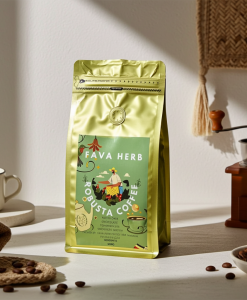
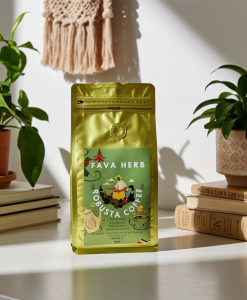
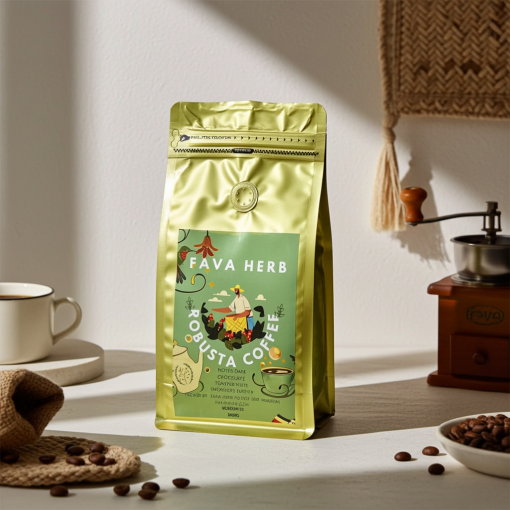
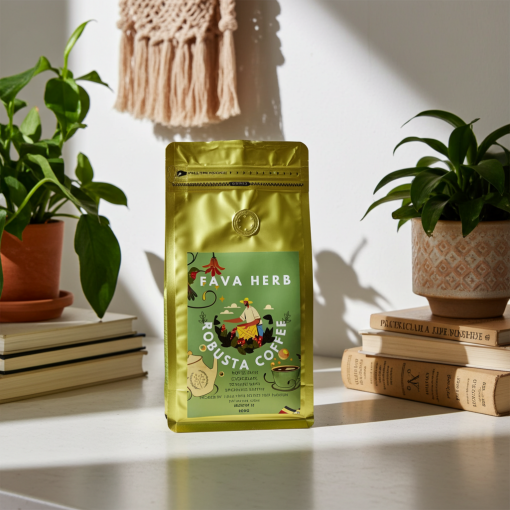
Unroasted Ugandan Robusta Coffee Screen 15 | Premium Green Coffee Beans – 1kg (MOQ 50 Units)
Premium unroasted Ugandan Robusta Coffee Screen 15 – bold, full-bodied green beans with rich crema. Packed in 1kg bags, MOQ 50 units (50kg lot).

Book: Returning To Nature’s Ancient Pharmacy -An African Approach To Natural Remedies
What You’ll Discover:
- Daily Herbal Remedies backed by Scripture and tradition
- Natural healing foods like raw honey, fermented drinks, and superfruits
- Uses of animal fats like tallow, ghee, and bone broth
- African healing plants like hibiscus, tamarind, and baobab
- Teas and Adaptogens for stress, energy, and hormone balance
- Spiritual insights on God’s design for healing and wellness
- Practical recipes, homemade remedies, and devotional reflection

