
Healthy Life
Sea Moss: The Mineral Profile -What Sea Moss Actually Contains
Nov
Irish Moss — Sea Moss from the Indian Ocean
Harvested from the warm, nutrient-rich waters of the Indian Ocean off Zanzibar and the Kenyan coast. One of the most mineral-dense marine foods on earth — and one of the most talked about wellness ingredients of recent years. Here is the full, honest picture.
The term “Irish moss” entered the global wellness lexicon from two very different directions: the rocky Atlantic shorelines of Ireland and the Caribbean, where Chondrus crispus has been harvested for food and medicine for centuries; and the warm, shallow reefs of the Indian Ocean, where a related family of red seaweeds — primarily Kappaphycus alvarezii and Eucheuma species — has been farmed at scale for decades along the coasts of Zanzibar, mainland Tanzania, and Kenya. These are distinct species in shared biological family, and the Indian Ocean varieties grown off East Africa have their own character, their own farming story, and their own nutritional identity worth understanding on its own terms.
This guide covers East African sea moss fully and honestly. The genuine benefits — which are substantial — are grounded in the evidence that exists for them. The claims that exceed the evidence are addressed directly rather than quietly reproduced. That includes the “92 minerals” figure that circulates widely, and the carrageenan safety question that causes consumer concern. Both deserve clear answers, not avoidance.
East African Sea Moss: The Indian Ocean Growing Region
The Indian Ocean coastline of East Africa is among the most productive seaweed farming regions in the world. The combination of warm, shallow, protected waters; year-round sunlight; and the natural nutrient circulation of the Indian Ocean creates growing conditions that support continuous seaweed cultivation without the seasonal interruption that limits Atlantic and Pacific seaweed farming. Kappaphycus alvarezii — known locally in Swahili as mwani — grows rapidly in these conditions, doubling its biomass in as few as 45 days under optimal circumstances.
Zanzibar is the epicentre of East African seaweed production. The shallow, sandy-bottomed lagoons around the main island (Unguja) and Pemba Island provide near-ideal conditions: protected from heavy wave action, clear water allowing light penetration to the growing lines, and consistent temperatures between 25–30°C year-round. At its peak in the 2000s, Tanzania was one of the top five global seaweed producing nations, with Zanzibar alone accounting for more than 90% of Tanzanian output. The industry employs an estimated 20,000–25,000 farmers in Tanzania, with women comprising 70–80% of the farming workforce — making seaweed one of the most significant income-generating activities for women on the East African coast.
In Kenya, seaweed farming is concentrated in Kwale County (particularly the areas around Msambweni and Shimoni), Kilifi County, and the Lamu Archipelago, where the Indian Ocean conditions mirror those of northern Zanzibar. The Kenyan seaweed industry is smaller than Tanzania’s but growing, supported by both county government initiatives and international development programmes focused on coastal livelihoods. The Malindi Marine National Park and the broader Indian Ocean reef system off Kenya provide wild harvest of additional seaweed species alongside cultivated production.
Fava Herb sources sea moss from verified East African coastal producers with direct relationships to farming communities in Kenya and Tanzania. Our sea moss is sun-dried after harvest — the traditional method that preserves the natural mineral and polysaccharide profile — and is available as whole dried sea moss and fine-milled sea moss powder.
Species Clarification: East African Sea Moss vs. Atlantic Irish Moss
The phrase “Irish moss” in popular wellness culture conflates several distinct species from the same broad taxonomic group. Understanding the differences helps consumers choose the right product and evaluate benefit claims accurately.
Atlantic Irish Moss (Chondrus crispus): The original “Irish moss,” harvested from the rocky coasts of Ireland, Scotland, Iceland, and the northeastern North American coast. A cold-water species. It contains lambda-carrageenan and kappa-carrageenan. Used traditionally in Ireland as food (boiled in milk), in Jamaican culture as a tonic drink, and now widely in the global wellness market.
East African / Tropical Sea Moss (Kappaphycus alvarezii, formerly Eucheuma cottonii): The species primarily cultivated in Zanzibar, the Kenya coast, and throughout the Indian Ocean and Pacific tropics. A warm-water species, fast-growing, and the primary commercial source of kappa-carrageenan globally. Its nutritional profile is similar to Chondrus crispus in carrageenan content, mineral richness, and iodine, though exact concentrations vary by species, growing location, season, and water quality.
Eucheuma denticulatum (iota-carrageenan source): Also cultivated in East African waters, producing a slightly different carrageenan type (iota rather than kappa), with a softer gel texture in applications.
Gracilaria species: Also found in East African waters; the source of agar rather than carrageenan. Often sold as “sea moss” in some markets, though nutritionally and structurally distinct.
All of these red algae species share the broad characteristic of being mineral-dense, carrageenan-containing sea vegetables with similar wellness applications. East African Kappaphycus is a legitimate, fully nutritious sea moss with a stronger body of commercial and nutritional documentation than most consumers realise — it is simply not Chondrus crispus, and products should be labelled accurately.
Traditional Use and the Modern Wellness Market
Along the East African coast, seaweed has been part of the diet and health practice of coastal communities for generations. Swahili-speaking communities in Zanzibar, Pemba, Lamu, and Mombasa have used mwani in cooking — added to rice dishes, soups, and stews as a thickening and nutritive ingredient — and in traditional preparations for digestive complaints, respiratory conditions, and general wellbeing. The practice of sun-drying seaweed for extended storage is a well-established part of coastal food preservation tradition in these communities.
The modern global wellness market’s interest in “Irish moss” or “sea moss” was substantially accelerated from approximately 2019 onward, driven by social media content — particularly YouTube and Instagram — and by the influence of the late Dr. Sebi (Alfredo Bowman), a Honduran-born herbalist who promoted sea moss as a near-universal health food. His claims, particularly the “92 minerals” figure, spread very widely and remain the primary entry point for most consumers discovering sea moss today. This guide addresses those claims directly in the section below.
What is certain is that the global wellness demand for sea moss has created a meaningful economic opportunity for East African coastal farmers. The shift from selling raw seaweed for industrial carrageenan extraction — where producers receive very low prices per kilogram — toward selling value-added whole sea moss, sea moss gel, and sea moss powder for the wellness market represents a significant income improvement for farming communities that have historically been at the bottom of the commodity chain.
The Mineral Profile: What Sea Moss Actually Contains
The genuine nutritional case for sea moss rests primarily on its mineral density — a broader and more diverse range of minerals than almost any terrestrial plant food — and its carrageenan polysaccharide content. The following matrix shows the key minerals present in significant amounts in East African sea moss, along with their primary biological function. Concentrations vary by species, growing conditions, season, and water mineral content.
One nutritional characteristic that distinguishes sea moss from most terrestrial plant-based minerals is the bioavailability context. Minerals from marine sources are generally present in highly bioavailable organic mineral forms, bound to amino acids or polysaccharides rather than in the phytate-bound forms that reduce mineral absorption from land plants. The iodine in sea moss, for example, is primarily as iodinated amino acids (monoiodotyrosine and diiodotyrosine), which the thyroid gland can access more efficiently than inorganic iodide supplements.
The “92 Minerals” Claim: What the Evidence Actually Shows
The claim that sea moss contains “92 of the 102 minerals the human body needs” was popularised primarily by Dr. Sebi (Alfredo Bowman) and has spread widely through wellness social media. This specific claim is not supported by peer-reviewed nutritional science for the following reasons:
First, the human body does not use exactly “102 minerals” — this is not a standard biochemical framework. The body requires approximately 20–25 mineral elements in significant physiological amounts, with a further handful of ultra-trace elements whose exact roles remain under research. There is no recognised scientific consensus identifying 102 essential minerals.
Second, published nutritional analyses of Kappaphycus alvarezii and Chondrus crispus identify between 15 and 30 mineral elements depending on the analytical method and sensitivity used — not 92. The exact number detected varies with water source, season, and instrumentation.
What is genuinely true: Sea moss has a broader mineral profile than almost any terrestrial plant food. It contains meaningful concentrations of iodine, potassium, calcium, magnesium, sodium, phosphorus, iron, zinc, manganese, copper, and selenium, plus vitamin B12 and folate — a mineral breadth that justifies sea moss’s reputation as a mineral-dense whole food. The inflated specific number is unnecessary marketing. The genuine mineral breadth is impressive without it.
Carrageenan: Addressing the Safety Question
Carrageenan is the primary bioactive polysaccharide in sea moss, making up 40–80% of the dry weight of East African Kappaphycus. It is the compound responsible for sea moss gel’s characteristic thickening property and for many of its documented physiological effects on the gut lining and immune system. It is also the subject of the most persistent safety concern in sea moss consumer research. That concern deserves a clear, direct answer.
What is in whole sea moss
High molecular weight sulphated polysaccharide naturally present in red algae. Produced by standard food processing. Approved as safe by FDA (GRAS), EFSA, WHO/FAO JECFA. EFSA reaffirmed safety in food applications in 2018. No acceptable daily intake (ADI) limit set — indicating no toxicological concern at food-use levels. This is what you consume when eating whole sea moss or properly made sea moss gel.
A different substance
Low molecular weight fragment produced by harsh acid hydrolysis at high temperatures (90°C, extended time). NOT approved for food use. NOT present in whole sea moss or standard sea moss gel. Animal studies showing inflammatory effects used poligeenan, not native carrageenan. The confusion between these two substances is the source of most carrageenan safety concerns circulating online.
In practical terms: consuming whole dried sea moss or gel made from properly soaked and blended sea moss at the amounts typical of food use (1–2 tablespoons of gel per day) does not present a safety concern for most healthy adults based on current regulatory consensus. The carrageenan concern is real in the context of poligeenan, and worth knowing about — but it applies to an industrial derivative, not to the seaweed itself.
Documented Health Benefits of Sea Moss
Thyroid Support via Iodine
Sea moss is one of the richest food sources of iodine — the essential trace mineral the thyroid gland uses to synthesise thyroxine (T4) and triiodothyronine (T3). These hormones regulate basal metabolic rate, body temperature, heart rate, and energy production. Iodine deficiency, which affects an estimated 2 billion people globally and remains a significant nutritional concern in parts of East Africa, causes hypothyroidism and goitre. Regular sea moss consumption provides a meaningful dietary iodine contribution.
Digestive and Gut Health
Carrageenan in sea moss functions as a soluble dietary fibre with prebiotic activity, supporting the growth of beneficial gut bacteria including Bifidobacterium species. Sea moss also forms a mucilaginous coating in the gastrointestinal tract that soothes the gut lining — the basis for its traditional use in managing gastritis, acid reflux, and irritable bowel symptoms. Its soluble fibre content slows gastric emptying, moderating blood sugar response after carbohydrate-containing meals.
Immune System Modulation
Bioactive polysaccharides in sea moss — particularly the sulphated carrageenans and related compounds — have demonstrated immunomodulatory activity in laboratory models, including activation of macrophages and natural killer cells. The broad mineral and vitamin profile (vitamin C, zinc, selenium, iron) provides the nutritional substrate for multiple immune functions. Antiviral activity of carrageenan against enveloped viruses (including respiratory viruses) has been documented in in vitro studies, with limited clinical research.
Anti-inflammatory Effects
Sulphated polysaccharides in red algae — including the fucoidan-like compounds and carrageenan fractions — have demonstrated anti-inflammatory activity in multiple in vitro and animal models through inhibition of NF-kB signalling, reduction of pro-inflammatory cytokines (TNF-alpha, IL-6, IL-1beta), and antioxidant activity via phycoerythrin and carotenoid pigments. These effects support sea moss’s traditional use for inflammatory conditions affecting the joints, respiratory tract, and skin.
Energy and Metabolism Support
The B vitamin content of sea moss — particularly vitamin B12 (rare in plant foods), riboflavin (B2), folate, and niacin — supports cellular energy production through the citric acid cycle and oxidative phosphorylation. Iron content contributes to haemoglobin synthesis and oxygen delivery to tissues, directly affecting fatigue and exercise capacity. Iodine-mediated thyroid hormone regulation further underpins metabolic rate and energy expenditure at the whole-body level.
Cardiovascular and Blood Lipid Effects
Research on red algae polysaccharides has documented anti-coagulant effects (heparin-like activity of sulphated carrageenan), mild blood pressure reduction via potassium’s sodium-counteractive effect, and preliminary cholesterol-lowering activity via fibre-mediated reduction of LDL reabsorption in the intestine. A 2021 systematic review of seaweed consumption and cardiovascular outcomes found consistent associations between regular seaweed intake and improved lipid profiles, though most studies are observational.
Respiratory Support: Traditional Use with a Mechanism
Sea moss has a particularly long documented history of use for respiratory complaints across both Atlantic and Indian Ocean traditions — prepared as a hot drink in Ireland for chest congestion, and as a broth ingredient in East African coastal communities for similar purposes. The mechanism has a plausible biochemical basis: carrageenan forms a viscous, mucilaginous preparation in warm water that may support the natural mucociliary clearance function of the respiratory epithelium, and its anti-inflammatory compounds may reduce bronchial inflammation. While robust clinical trials on sea moss specifically for respiratory conditions are limited, the mechanistic basis for the traditional use is coherent.
Sea Moss for Skin
Carrageenan as a Topical Humectant and Film-Former
Carrageenan is extensively used in commercial skincare formulation as a natural thickener, humectant, and film-forming agent — not because it is a novel ingredient discovered by wellness marketers, but because it has been in the cosmetic chemist’s toolkit since at least the 1950s. Applied to the skin as sea moss gel or in formulations containing carrageenan, it forms a thin, hydrating film that retains moisture at the stratum corneum surface, reduces transepidermal water loss (TEWL), and provides a smoothing, plumping effect on the skin surface.
The mineral content of sea moss gel applied topically — particularly zinc (sebum regulation, wound healing), sulphur (collagen and keratin synthesis), magnesium (skin barrier enzyme cofactor), and selenium (antioxidant defence at the skin surface) — provides a broad spectrum of skin-active micronutrients in a single ingredient.
Sensitive and Inflammatory Skin Conditions
Sea moss gel is notably well-tolerated by sensitive, eczema-prone, and reactive skin types, for which most active skincare ingredients are too stimulating. The carrageenan film soothes mechanical irritation; the anti-inflammatory sulphated polysaccharides reduce redness and inflammatory signalling at the skin surface; and the mucilaginous texture provides a calming physical barrier. Dermatological tradition in Japan and Korea has used seaweed preparations for eczema and psoriasis for centuries, and several controlled studies on topical carrageenan for atopic dermatitis show reduction in transepidermal water loss and inflammatory markers.
Anti-ageing and Collagen Support
Sea moss contains both vitamin C (collagen synthesis cofactor) and copper (essential cofactor for lysyl oxidase, the enzyme responsible for cross-linking collagen fibrils into structural matrix). Together, these two micronutrients support collagen production and integrity at the cellular level. The antioxidant compounds in sea moss — phycoerythrin (the red pigment), carotenoids, and sulphated polysaccharides — provide photoprotective antioxidant activity at the skin surface, reducing UV-generated free radical damage to collagen-producing fibroblasts.
- Sea moss face mask: Apply 1–2 tablespoons of sea moss gel directly to clean, damp skin. Leave 15–25 minutes until the gel begins to dry slightly. Rinse thoroughly with warm water. Follow with moisturiser. Use 2–3 times per week for hydration and skin tone improvement.
- Daily moisturiser addition: Stir 1 teaspoon of sea moss gel into your daily moisturiser or serum before applying. The carrageenan enhances the product’s moisture-retention capacity without altering its texture significantly.
- Body skin treatment: Apply sea moss gel to areas prone to dryness, keratosis pilaris, or eczema patches as a soothing, mineral-rich treatment. Leave 20–30 minutes then rinse or leave on overnight under breathable clothing.
- Under-eye treatment: Apply a small amount of sea moss gel under the eyes as a cooling, hydrating treatment for puffiness and fine lines. Leave 10 minutes and rinse gently.
Sea Moss for Hair
Sea moss has gained a significant following in the natural hair community, particularly for its use as a scalp treatment and leave-in conditioning agent for Type 3 and Type 4 coil patterns. Several properties make it particularly appropriate for these applications.
Scalp Mineral Nutrition
The hair follicle is a metabolically active structure that requires a continuous supply of minerals and vitamins for normal function. Of the minerals concentrated in sea moss, the following are most directly relevant to follicular health: iodine (thyroid function — hypothyroidism is a documented cause of diffuse hair loss; supporting thyroid hormone levels through adequate iodine helps maintain normal hair growth cycling); zinc (sebum regulation at the follicle; zinc deficiency is associated with hair shedding in clinical studies); iron (haemoglobin-mediated oxygen delivery to the follicle base; iron deficiency anaemia is one of the most common nutritional causes of hair loss in women of reproductive age); and selenium (glutathione peroxidase activity in the follicle, protecting against oxidative stress damage to the follicular matrix).
Carrageenan for Cuticle Conditioning and Slip
The carrageenan in sea moss gel provides excellent conditioning properties when applied topically to hair. It forms a film along the hair shaft that smooths the cuticle surface, reduces friction between strands, and significantly enhances slip — the quality that makes detangling easier and reduces mechanical breakage during combing. For coil-textured hair, which has naturally raised cuticles at the curl bends and is prone to friction-induced breakage, this film-forming slip is functionally important. Carrageenan has been used in commercial leave-in conditioners and detanglers as an ingredient precisely because of these properties.
Vitamin B12 — A Notable Contribution
Sea moss is one of the very few non-animal foods that contains meaningful amounts of vitamin B12. While the bioavailability of B12 from algae sources is a subject of ongoing research (some algal B12 forms are pseudocobalamins that compete with rather than supplement true cobalamin), sea moss does contain the genuine cobalamin form alongside pseudocobalamins. B12 is essential for red blood cell maturation and therefore for delivering adequate oxygen to the hair follicle base. For plant-based diet followers who commonly become deficient in B12, sea moss provides a relevant dietary contribution.
- Pre-shampoo scalp mask: Apply 2–3 tablespoons of sea moss gel directly to the scalp, distributing with fingertips. Leave 30–60 minutes under a shower cap before shampooing. A weekly treatment for mineral-rich scalp nourishment.
- Leave-in conditioner: Mix sea moss gel with aloe vera gel and a light carrier oil (argan, jojoba) in a 2:1:0.5 ratio. Apply to damp hair after washing, working through from mid-length to ends. Provides carrageenan conditioning, aloe hydration, and oil sealing in a single step.
- Detangling aid: Apply a small amount of sea moss gel to dry or damp hair before detangling with a wide-tooth comb. The carrageenan slip significantly reduces breakage on tightly coiled hair patterns.
- Deep conditioning mask: Mix sea moss gel with a mashed avocado, a tablespoon of honey, and a few drops of rosemary essential oil. Apply to the hair and scalp, cover with a shower cap, leave 30–45 minutes, then wash out. A comprehensive monthly treatment covering moisture, minerals, and scalp stimulation.
How to Use Sea Moss: Gel, Powder, and Topical
- Rinse: Weigh out 25–30g of dried sea moss. Rinse thoroughly under cold running water, turning the seaweed to remove any visible salt, sand, shell fragments, or debris.
- Inspect: Check the sea moss for quality markers: it should be a muted golden-brown to pale yellow (sun-dried) or slightly darker (ocean-dried). Pure white bleached sea moss has been over-processed and has a depleted mineral profile. Avoid any with a strong sulphur smell.
- Soak: Place the rinsed sea moss in a bowl and cover with at least three times its volume of fresh cold water. Soak for a minimum of 4 hours, ideally overnight (8–12 hours). The sea moss will expand considerably, absorbing water and becoming soft and translucent.
- Drain and rinse: Drain the soaking water (which will have absorbed salt and some pigment from the sea moss). Rinse the expanded sea moss one more time with fresh water.
- Blend: Transfer the soaked sea moss to a high-speed blender. Add 250–400ml of fresh filtered water (less water = thicker gel; more = thinner). Blend on high for 60–90 seconds until completely smooth with no visible pieces.
- Store: Pour the blended gel into a clean glass jar with a lid. Refrigerate immediately. The gel will thicken further as it cools, reaching a set consistency within 1–2 hours. Keeps refrigerated for up to 3 weeks.
Sea Moss Gel: Daily Dietary Use
- Smoothies: Add 1–2 tablespoons of sea moss gel to any smoothie. It blends completely smoothly, contributes a very mild oceanic flavour masked by fruit, and adds carrageenan thickening that improves smoothie texture.
- Tea and warm drinks: Stir 1 tablespoon into herbal tea, ginger tea, or warm water with lemon and honey. The gel dissolves readily in warm liquids. Traditional preparation in the Caribbean involves simmering sea moss with cinnamon, nutmeg, and plant milk as a nutrient-dense tonic drink.
- Soups and stews: Stir 1–2 tablespoons of gel into soups or stews as a natural thickener. It is tasteless in savoury preparations and adds a viscous body that mimics cream without the fat content.
- Raw desserts: Sea moss gel is an effective vegan gelling agent for raw cheesecakes, puddings, and mousses — used in place of gelatine or agar to create a set texture.
- Overnight oats and porridge: Stir 1 tablespoon into oat preparations. The gel hydrates the oats and adds minerals without altering flavour.
Sea Moss Powder: The Convenient Alternative
Sea moss powder is made by drying sea moss at low temperature and milling it to a fine powder. It delivers the same minerals and polysaccharides as whole dried sea moss but in a more convenient format for daily supplementation without gel preparation. It can be added directly to smoothies, teas, or capsules. One teaspoon of powder is approximately equivalent to 1 tablespoon of gel in mineral contribution, though the carrageenan’s thickening properties are more pronounced in the gel form.
The typical recommended daily amount is 1–2 tablespoons of sea moss gel (approximately 4–8g dry weight equivalent) or 1 teaspoon of sea moss powder. This provides a meaningful mineral contribution without approaching the upper threshold for iodine intake. Very large daily amounts of sea moss — particularly whole seaweed consumed without preparation — can deliver excessive iodine, which has implications for thyroid function (see Safety section below).
Shop East African Sea Moss at Fava Herb
Whole dried sea moss and sea moss powder from the Indian Ocean coast — sun-dried, mineral-intact, sourced from verified East African coastal farming communities.
Shop Whole Sea Moss Shop Sea Moss PowderBrowse the Full Fava Herb Collection
Full Nutritional and Phytochemical Profile
The following table covers the primary bioactive constituents and nutrients in East African sea moss (Kappaphycus alvarezii and related species), with documented mechanisms and health relevance.
| Compound / Nutrient | Concentration (Dry Wt) | Mechanism / Action | Health Relevance |
|---|---|---|---|
| Kappa-Carrageenan (sulphated polysaccharide) | 40–80% dry weight | Prebiotic fibre; gut mucosal coating; immunomodulation; antiviral (enveloped viruses); anti-inflammatory; thickening / gel-forming | Gut health; immunity; respiratory soothing; food and cosmetic application |
| Iodine | High — variable by location | Thyroid hormone (T3 / T4) synthesis; basal metabolic rate regulation; fetal neurological development | Thyroid support; metabolic health; iodine deficiency prevention |
| Potassium | High | Blood pressure regulation (sodium counteraction); cardiac muscle; nerve signal transmission; fluid balance | Cardiovascular support; electrolyte balance |
| Calcium | Moderate–high | Bone and tooth mineralisation; muscle contraction; neurotransmission; blood clotting cofactor | Bone health; muscle function |
| Magnesium | Moderate | Cofactor in 300+ enzymatic reactions; ATP production; DNA synthesis; muscle relaxation; insulin sensitivity | Energy metabolism; sleep; metabolic health; muscle function |
| Iron (non-haem) | Moderate | Haemoglobin oxygen transport; immune cell production; energy metabolism enzyme cofactor | Anaemia prevention; energy; hair loss prevention (iron-deficiency related) |
| Zinc | Trace–moderate | Immune function; wound healing; DNA synthesis; skin barrier; sebum regulation; testosterone metabolism | Immunity; skin; hair follicle health; wound repair |
| Selenium | Trace | Glutathione peroxidase (antioxidant enzyme) cofactor; thyroid hormone metabolism; immune modulation | Antioxidant defence; thyroid support; immune function |
| Sulphur compounds | Present (from sulphated carrageenan) | Structural amino acids (cysteine, methionine); collagen and keratin backbone; hepatic detoxification (glutathione) | Skin and hair structural integrity; liver detoxification support |
| Vitamin B12 (cobalamin) | Low–moderate; bioavailability variable | Red blood cell maturation; neurological myelin maintenance; DNA synthesis; homocysteine regulation | Plant-based diet B12 supplement; energy; neurological health; hair follicle oxygen delivery |
| Vitamin C (ascorbic acid) | Low–moderate (heat-sensitive) | Collagen synthesis cofactor; antioxidant; immune modulator; iron absorption enhancer | Collagen production; immune support; antioxidant |
| Folate (B9) | Moderate | DNA synthesis and repair; red blood cell formation; neural tube development; methylation | Pregnancy nutrition; cell regeneration; cardiovascular health |
| Phycoerythrin (red algal pigment) | Present (responsible for colour) | Antioxidant; UV absorption; free radical quenching; anti-inflammatory | Antioxidant skin protection; anti-ageing; anti-inflammatory |
| Carotenoids (beta-carotene, fucoxanthin) | Trace–low | Antioxidant; anti-inflammatory; fucoxanthin: documented anti-obesity and anti-diabetic activity in animal models | Antioxidant; metabolic support; anti-inflammatory |
| Fucoidan-related polysaccharides | Variable | Antiviral; anti-coagulant (heparin-like); anti-inflammatory; immunostimulant; anti-tumour activity in vitro | Immune modulation; cardiovascular; anti-inflammatory |
Safety and Contraindications
Important Safety Information
- Iodine and thyroid conditions: Sea moss is very high in iodine. For most people with iodine-sufficient diets, standard daily amounts of sea moss (1–2 tablespoons of gel) are safe. However, those with hyperthyroidism, Graves’ disease, or Hashimoto’s thyroiditis should use sea moss only under medical supervision, as sudden increases in iodine intake can trigger thyroid dysfunction in either direction. Excessive daily sea moss consumption by healthy people can also cause iodine-induced hypothyroidism (Wolff-Chaikoff effect) — more is not better.
- Medication interactions: The anti-coagulant properties of sulphated polysaccharides in sea moss may interact with blood-thinning medications including warfarin, aspirin, and heparin. Those on anticoagulant therapy should discuss sea moss supplementation with their prescribing physician. Sea moss’s blood pressure-lowering effect via potassium may also potentiate antihypertensive medications.
- Pregnancy: Moderate sea moss consumption is generally considered safe during pregnancy and provides useful folate, iodine, and iron. However, very high daily amounts should be avoided due to the elevated iodine content, which at excess levels can affect fetal thyroid development. Standard food-use amounts (1–2 tablespoons of gel daily) are within safe ranges for most pregnant women. Consult a healthcare provider.
- Heavy metals and ocean pollution: Seaweed bioaccumulates minerals from seawater, including both beneficial minerals and potentially harmful heavy metals (arsenic, mercury, lead, cadmium). Quality-controlled sea moss from certified sources with heavy metal testing is essential. Fava Herb sources from producers with documented water quality monitoring. Avoid sea moss from waters with known industrial pollution.
- Inflammatory bowel disease: Those with active IBD (Crohn’s disease, ulcerative colitis) should discuss carrageenan-containing foods with a gastroenterologist before regular sea moss consumption. The minority scientific concern about carrageenan and gut inflammation (see the carrageenan section above) is most relevant to individuals with pre-existing gut inflammation.
- Shellfish allergy: Sea moss is not a shellfish product and does not contain shellfish proteins. However, it is a marine organism, and in rare cases individuals with broad marine product sensitivity may react. Patch-test topical sea moss and start with small oral amounts if you have any history of marine product sensitivity.
- Children: Sea moss at standard food amounts is safe for children and provides useful minerals. However, because children have lower iodine upper limits than adults, daily sea moss should be given in smaller quantities (half an adult dose) to avoid iodine excess.
Frequently Asked Questions
From the Indian Ocean to Your Hands
East African sea moss — cultivated by coastal farming communities in Zanzibar and Kenya, sun-dried, mineral-intact, and now available from Fava Herb as whole dried sea moss and fine-milled powder.
Shop Whole Sea Moss Shop Sea Moss PowderBrowse the Full Fava Herb Collection


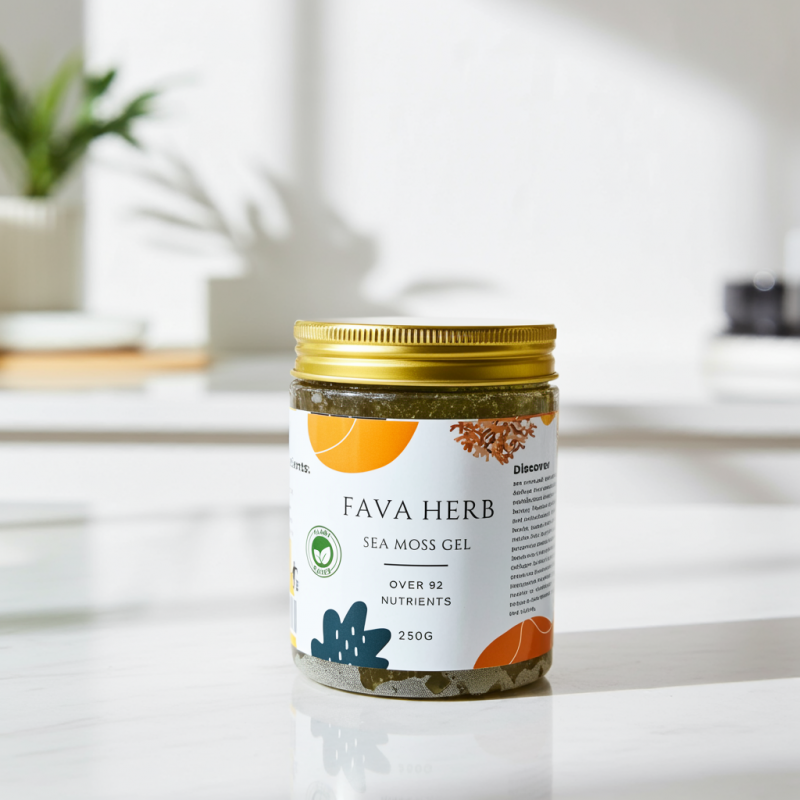
Sea Moss Gel 250g
Sea moss is said to have 92 out of 102 minerals needed for the human body to thrive. Being a potent source of potassium chloride, this sea moss dissolves the catarrhs or the phlegm and inflammation of the mucous membrane to prevent congestion. It also has antiviral agents and antimicrobial properties that help in getting rid of all kinds of infections. It improves the immunity system of the body.

