
Healthy Life
Lemon Verbena:Benefits, Uses & the Science Behind the Scent
Jun
Lemon Verbena:
Benefits, Uses & the Science
Behind the Scent
The definitive guide to Aloysia citrodora — the intensely aromatic herb that heals your gut, sharpens your sleep, and brightens your skin.
Open a jar of dried lemon verbena (Aloysia citrodora) and the scent is immediate and unmistakable — a bright, clean burst of lemon so pure and vivid that it seems to concentrate everything good about citrus into a single breath. This South American native has been cultivated across Europe, North Africa, and the Middle East for centuries, prized simultaneously as a culinary herb, a perfumer’s material, and a versatile medicinal plant with a spectrum of documented benefits that would be remarkable for any single botanical.
From the colonial herb gardens of Argentina to the pharmacopoeias of France and Spain, lemon verbena has a history of trusted use for digestive complaints, nervous exhaustion, fevers, and skin care. Modern phytochemical analysis has since confirmed the mechanisms behind these traditional applications — particularly the powerful anti-inflammatory and antioxidant activity of verbascoside, the herb’s signature phenylpropanoid glycoside, which ranks among the most potent plant-derived antioxidant compounds yet identified.
Whether you are drawn to lemon verbena for its therapeutic potential, its culinary versatility, or simply its extraordinary fragrance, this guide will give you a complete, science-grounded understanding of what it can do and how to use it well.
What Is Lemon Verbena?
- Botanical Name
- Aloysia citrodora
- Also Known As
- Lippia citriodora, verbena
- Plant Family
- Verbenaceae
- Native Range
- Argentina, Chile, Peru
- Plant Parts Used
- Leaves, flowers
- Primary Actions
- Antioxidant, Digestive, Anti-inflammatory
Lemon verbena is a deciduous woody shrub that grows between one and three metres tall in warm climates. Its lance-shaped leaves are arranged in whorls of three along slender stems and carry a dense coating of oil glands that release their intense lemon fragrance at the lightest touch. Small white to pale lilac flowers appear in delicate panicles during summer. The plant originates from the western slopes of South America — particularly modern-day Argentina, Chile, and Peru — and was introduced to Europe by Spanish and Portuguese explorers in the late seventeenth century.
It spread rapidly through Mediterranean herb gardens, where it became known in French as verveine, in Spanish as hierba luisa, and across North Africa as a cornerstone of traditional tea culture. In Morocco, lemon verbena tea (known as louiza) is served as a gesture of hospitality and is considered a household essential for digestive health. In France, tisane de verveine is the most widely consumed herbal tea in the country — a cultural testament to the herb’s efficacy and palatability.
The essential oil extracted from lemon verbena leaves — dominated by citral (a mixture of geranial and neral), geraniol, and limonene — is one of the most valued materials in natural perfumery, lending a transparent, sophisticated lemon note that synthetic lemon fragrance compounds cannot replicate.
Active Compounds and Nutritional Profile
The therapeutic efficacy of lemon verbena is grounded in a rich and well-characterised phytochemical profile. Key compound classes work synergistically, which is why whole-herb preparations tend to outperform isolated extracts in clinical settings.
| Compound | Class | Key Actions |
|---|---|---|
| Verbascoside (Acteoside) | Phenylpropanoid glycoside | Exceptional antioxidant activity, anti-inflammatory (NF-kB inhibition), neuroprotective, antimicrobial |
| Luteolin | Flavonoid | Anti-inflammatory, GABA-A modulation (sedative/anxiolytic), anti-tumour research interest |
| Apigenin | Flavonoid | Anxiolytic, GABA modulation, anti-inflammatory, mild phyto-estrogenic activity |
| Quercetin | Flavonoid | Antioxidant, anti-allergic, capillary-strengthening, MMP inhibition |
| Rosmarinic Acid | Phenolic acid | Anti-inflammatory, antioxidant, antiviral, neuroprotective |
| Citral (Geranial + Neral) | Monoterpene aldehyde | Antimicrobial, anti-inflammatory, relaxant, key fragrance component |
| Geraniol | Monoterpenol | Antimicrobial, antifungal, insect-repellent, skin-conditioning |
| Limonene | Monoterpene | Antioxidant, mood-elevating, digestive-supportive, skin-brightening |
Verbascoside deserves particular attention. This compound, found at exceptionally high concentrations in lemon verbena, has been the subject of sustained scientific research over the past two decades. Its ability to inhibit the NF-kB inflammatory signalling pathway — the same pathway targeted by many pharmaceutical anti-inflammatory drugs — at micromolar concentrations makes it one of the most pharmacologically compelling plant compounds currently under investigation. It is found in relatively few herbs at therapeutically relevant concentrations, giving lemon verbena a genuine biochemical distinction.
Health Benefits of Lemon Verbena
Digestive Relief
Relieves bloating, gas, IBS spasms, and indigestion. One of its most well-established traditional applications.
Sleep and Calm
Luteolin and apigenin modulate GABA-A receptors, easing anxiety and promoting restful, natural sleep.
Muscle Recovery
Clinically shown to reduce exercise-induced muscle damage markers and accelerate recovery between sessions.
Joint Health
NF-kB inhibition by verbascoside reduces the chronic low-grade inflammation driving joint pain and stiffness.
Antioxidant Defence
Verbascoside is among the most potent plant-derived antioxidants identified, with exceptional free radical scavenging capacity.
Immune Support
Antimicrobial volatile oils and antiviral rosmarinic acid support immune defences against common pathogens.
Digestive Health
Digestive support is lemon verbena’s most culturally consistent and scientifically supported application. The herb acts on the digestive system through several concurrent mechanisms: its volatile oils — particularly citral and limonene — relax smooth muscle spasms in the gut wall, reducing the cramping and urgency associated with irritable bowel syndrome and functional dyspepsia. Its bitter compounds stimulate bile secretion, improving fat emulsification and reducing post-meal bloating. Its anti-inflammatory phenolic acids soothe irritated mucosal tissue.
The clinical evidence for lemon verbena in digestive health is reinforced by a consistent body of ethnobotanical data. Across Europe, North Africa, and South America — the three regions with the deepest historical familiarity with the herb — it is almost universally recommended as a post-meal tea for digestive comfort, a use pattern that has remained stable across centuries and cultures.
Sleep Support and Anxiety Reduction
The flavonoids luteolin and apigenin in lemon verbena have well-documented interactions with GABA-A receptors, the primary inhibitory receptors in the central nervous system. By potentiating GABAergic tone, these compounds produce a calming, anxiolytic effect that reduces the physiological arousal associated with stress and anxiety — without the dependence risk or morning sedation associated with pharmaceutical sleep aids.
For sleep quality specifically, the combination of GABAergic flavonoids with the relaxing aromatic compounds — particularly linalool and citral — creates a multi-pathway sedative action. A cup of lemon verbena tea taken 30 to 45 minutes before bed is a clinically rational approach to mild insomnia and sleep-onset difficulty.
Muscle Recovery and Athletic Performance
One of the more surprising areas of lemon verbena research concerns its role in exercise recovery. The herb’s high verbascoside content enables it to significantly reduce oxidative stress and inflammatory damage in skeletal muscle tissue — damage that accumulates during intense exercise and causes the delayed-onset muscle soreness (DOMS) that limits training frequency and quality.
A 2011 randomised placebo-controlled trial published in the Journal of the International Society of Sports Nutrition found that supplementation with lemon verbena extract significantly reduced creatine kinase and malondialdehyde levels — both established biomarkers of exercise-induced muscle damage — compared to placebo over a 21-day protocol. Participants reported meaningfully faster recovery between training sessions.
This finding has drawn attention from sports nutritionists and coaches looking for natural recovery aids that do not interfere with training adaptation. Unlike NSAIDs, which blunt the inflammatory response needed for muscle growth, lemon verbena’s antioxidant action targets oxidative damage specifically, leaving the anabolic inflammatory cascade largely intact.
Joint Health and Anti-Inflammatory Action
For individuals managing osteoarthritis, rheumatoid arthritis, or general inflammatory joint pain, lemon verbena’s NF-kB inhibitory activity — driven primarily by verbascoside — provides a meaningful adjunctive anti-inflammatory strategy. NF-kB is the master transcription factor for pro-inflammatory cytokines including TNF-alpha, IL-1beta, and IL-6, and its suppression produces broad downstream anti-inflammatory effects across joint tissue, synovial fluid, and surrounding musculature.
Regular consumption of lemon verbena tea (2 to 3 cups daily) or a standardised extract provides consistent verbascoside exposure that supports the sustained NF-kB inhibition needed for noticeable benefit in chronic inflammatory conditions. Results typically become apparent after four to six weeks of consistent use.
Immune Defence and Antimicrobial Properties
The volatile oil fraction of lemon verbena — rich in citral, geraniol, and limonene — exhibits documented antimicrobial activity against a range of bacterial and fungal pathogens, including Staphylococcus aureus, Escherichia coli, Candida albicans, and Aspergillus species. Rosmarinic acid, meanwhile, provides antiviral activity particularly relevant to respiratory viral infections. Together these compounds support immune defence at the mucosal entry points — gut and respiratory tract — where most common infections establish themselves.
Premium Dried Lemon Verbena Leaves
Whole-leaf, ethically sourced and slow-dried at low temperature to preserve volatile oil integrity. Rich in verbascoside, luteolin, and citral — ideal for teas, tinctures, and topical preparations.
Shop Now View All ProductsLemon Verbena for Skin
Lemon verbena is increasingly finding its place in natural skincare formulations, valued for a combination of antioxidant, brightening, and antimicrobial properties that address a broad range of skin concerns. Its pleasant citrus scent also makes it one of the more sensory-appealing botanical additions to any formulation.
Antioxidant and Anti-Ageing Protection
Verbascoside’s extraordinary free radical scavenging capacity translates directly to skin protection when applied topically or consumed regularly. Oxidative stress is the primary driver of photoageing — the formation of fine lines, uneven pigmentation, and loss of firmness caused by UV exposure and environmental pollution. Lemon verbena extracts applied in skincare formulations provide a localised antioxidant shield, while regular internal consumption raises systemic antioxidant capacity. Quercetin additionally inhibits the matrix metalloproteinases (MMPs) that degrade collagen and elastin, supporting structural skin integrity over time.
Skin Brightening
Limonene and citral — both present in significant amounts in lemon verbena — have documented skin-brightening properties. They inhibit melanin synthesis by modulating the activity of tyrosinase, the rate-limiting enzyme in melanin production, contributing to a more even, luminous complexion with regular use. This makes lemon verbena a useful natural ingredient in formulations targeting hyperpigmentation, post-inflammatory marks, and dullness.
Antimicrobial and Acne Management
The antimicrobial volatile oils in lemon verbena — particularly geraniol and citral — inhibit Cutibacterium acnes and reduce sebaceous bacterial load on oily or acne-prone skin. Combined with the herb’s anti-inflammatory action, which reduces the redness and swelling of active lesions, lemon verbena is a rational addition to natural acne formulations. It can be incorporated into toners, facial mists, and clay masks at 2% to 8% aqueous extract concentration.
Aromatherapy and Psychodermatology
The skin-brain axis — the well-established bidirectional relationship between psychological stress and skin health — means that lemon verbena’s calming aromatic profile has genuine dermatological relevance. Chronic psychological stress elevates cortisol, which drives sebum overproduction, impairs barrier function, and worsens inflammatory skin conditions including eczema and psoriasis. Using lemon verbena in skincare, bath preparations, or ambient diffusion as an anxiolytic botanical therefore addresses skin health indirectly but meaningfully.
How to Use Lemon Verbena
-
Tea (Standard Infusion)
Place 1 to 2 teaspoons of dried lemon verbena leaves, or 4 to 6 fresh leaves, in a cup. Pour 240 ml of freshly boiled water over the leaves, cover immediately to trap volatile oils, and steep for 8 to 12 minutes. Strain and drink while warm. The standard therapeutic dose is 2 to 3 cups daily — one before bed for sleep, one before or after meals for digestion. The tea is naturally sweet-scented and smooth, requiring no sweetener, though honey and ginger are popular additions. Cold infusions — prepared by steeping overnight in room-temperature water — preserve more of the delicate volatile oil fraction and produce an exceptionally clean, bright-tasting drink.
-
Tincture (Alcohol or Glycerite)
A 1:5 tincture in 40% to 50% ethanol captures both the water-soluble phenolic glycosides and a significant portion of the lipophilic volatile compounds. The standard adult dose is 2 to 4 ml two to three times daily in water. For those avoiding alcohol, a vegetable glycerite (1:5 in 60% food-grade glycerine) provides a pleasant, sweet preparation that retains the primary flavonoid and phenolic acid fractions while sacrificing some volatile oil content. Tinctures offer convenience and consistent dosing for therapeutic applications spanning multiple weeks.
-
Culinary Use
Lemon verbena is one of the great culinary herbs, and using it in food is one of the most enjoyable ways to consume it regularly. The fresh or dried leaves can be used to flavour syrups, custards, ice creams, sorbets, vinaigrettes, and marinades. They pair brilliantly with chicken, fish, and lamb. Infused into olive oil or honey, lemon verbena creates a versatile kitchen ingredient that delivers therapeutic compounds in the most pleasurable way possible. The flavour is stable enough to survive brief cooking (add at the end of cooking for maximum aroma) and harmonises with most Mediterranean herbs and spices.
-
Topical Compress or Facial Rinse
Prepare a strong infusion using 3 teaspoons of dried leaf per 240 ml of water, steep for 20 minutes, and cool. Use as a brightening facial rinse, a calming compress for irritated or sunburned skin, or a body rinse added to bathwater. For bath use, prepare a large infusion (50 g herb to 1.5 litres of water) and add to the bath. The combination of aromatic inhalation and skin-contact delivery makes lemon verbena baths an excellent preparation for stress-related skin flare-ups or evening relaxation.
-
Essential Oil (Diluted — Topical or Aromatic)
Lemon verbena essential oil is one of the finest in natural perfumery and has genuine therapeutic applications in aromatherapy and topical skincare. It must always be diluted — a maximum of 0.5% to 1% in a carrier oil for facial use, and no more than 2% for body preparations. It is photosensitive: avoid applying to skin that will be exposed to direct sunlight within 12 hours of application. Diffused in a cold-air nebuliser at 3 to 6 drops, lemon verbena oil creates an uplifting, citrus-herbaceous atmosphere that supports focus, lifts low mood, and promotes relaxation without sedation.
Lemon Verbena vs Lemon Balm: Key Differences
These two herbs share a name and a scent family but are botanically unrelated and have meaningfully different therapeutic profiles. Understanding the distinction helps you choose the right herb for your specific needs.
- Aloysia citrodora — family Verbenaceae
- Sharper, more intensely citrus aroma
- Very high verbascoside content
- Superior anti-inflammatory and antioxidant action
- Better for muscle recovery, joint pain, and skin brightening
- Stronger culinary and perfumery applications
- Milder antiviral activity
- Melissa officinalis — family Lamiaceae
- Softer, slightly minty-lemon scent
- High rosmarinic acid and melissa glycoside content
- Stronger antiviral activity (especially herpes simplex)
- Better for anxiety with strong cognitive/memory overlap
- Superior for cold sores and viral conditions
- Both share digestive and sleep support benefits
For most everyday wellness applications — digestive comfort, better sleep, antioxidant protection, and skin health — lemon verbena is the stronger choice. For acute viral conditions, herpes outbreaks, or strong anxiolytic needs, lemon balm has the pharmacological edge. Many experienced herbal practitioners use both together in blended preparations.
Growing Lemon Verbena
Lemon verbena is a rewarding garden plant for warm, sunny climates. In Kenya’s highland zones including Nairobi, Limuru, and Kiambu, it grows vigorously with minimal care, producing harvestable leaves year-round in sheltered microclimates.
Planting and Care
Lemon verbena thrives in full sun — a minimum of six hours of direct sunlight daily — and prefers well-drained, moderately fertile soil. It is drought-tolerant once established but grows most vigorously with regular watering during dry periods. Plant in a container or in ground, spacing multiple plants at least 60 to 90 cm apart to allow for their eventual bushy spread. In cooler climates, growing in a large terracotta pot allows you to move the plant under cover during cold periods. Prune hard in late winter or early spring to prevent the plant becoming woody and unproductive.
Harvesting for Maximum Potency
Harvest leaves regularly throughout the growing season by pinching individual leaves or cutting stems. The highest verbascoside and volatile oil concentrations occur in leaves just before or at the point of flowering — this is the optimal time for a larger harvest intended for drying and storage. Harvest in the morning after the dew has lifted but before the midday heat begins to volatilise the essential oils. Dry at 30 to 38 degrees Celsius in a dehydrator or in well-ventilated shade away from direct sunlight. Store in airtight, opaque glass jars — correctly dried and stored lemon verbena retains its colour, scent, and therapeutic potency for 12 to 18 months.
Lemon Verbena Essential Oil
Steam-distilled from fresh flowering tops — one of the most sought-after aromatic materials in natural perfumery and therapeutic aromatherapy. Rich in citral, geraniol, and limonene. Tested for purity and adulteration.
Shop Essential OilDosage and Safety
Safety and Contraindications
- Pregnancy: Insufficient clinical data exists to confirm safety during pregnancy. Lemon verbena tea at culinary quantities (one occasional cup) is not believed to pose risk, but therapeutic-dose use is not recommended during pregnancy.
- Kidney Disease: Very high doses or concentrated extracts over extended periods may place additional metabolic demands on the kidneys. Those with existing kidney conditions should limit intake to one cup of tea daily and consult a healthcare provider before therapeutic use.
- Essential Oil — Photosensitivity: Lemon verbena essential oil contains photosensitising furanocoumarin compounds. Never apply undiluted essential oil to skin before sun exposure. Maximum 1% dilution for facial use; avoid sun for 12 hours after application.
- Essential Oil — Skin Irritation: The neat essential oil is a potential skin and mucous membrane irritant. Always dilute in a carrier oil before topical application. Not suitable for use on broken skin or near eyes.
- Lithium Interaction: Lemon verbena has mild diuretic properties that could reduce lithium excretion, potentially raising serum lithium levels. Those on lithium therapy should consult their prescriber before regular therapeutic use.
- Allergy: Cross-reactivity is possible in individuals with known hypersensitivity to other plants in the Verbenaceae family. Conduct a patch test before first topical use of any lemon verbena preparation.
Overall, lemon verbena has an excellent safety record. It has been consumed as a daily tea by millions of people across Europe and North Africa for centuries without significant adverse event reports at conventional doses. The herb appears in multiple European and South American national pharmacopoeias, confirming its recognised status as a well-tolerated, safe botanical remedy. As with all medicinal herbs, reasonable caution applies during pregnancy, at very high doses, and in the context of specific pre-existing conditions — all of which are addressed above.
Frequently Asked Questions
The following questions represent the most common searches made about lemon verbena. Each answer is crafted to provide real, useful information while addressing the reader’s underlying intent.
What is lemon verbena good for?
How do you make lemon verbena tea?
What is the difference between lemon verbena and lemon balm?
Is lemon verbena good for sleep?
Can lemon verbena help with weight loss?
Is lemon verbena safe to use every day?
What does lemon verbena taste like?
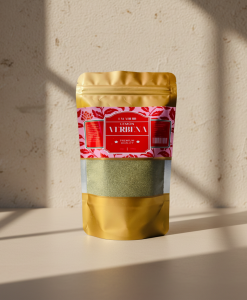
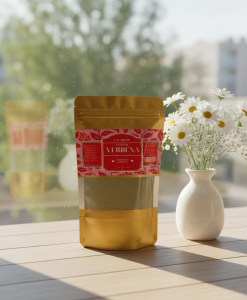
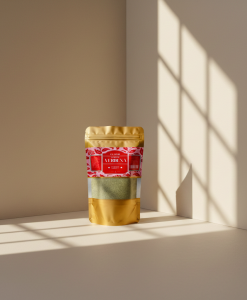
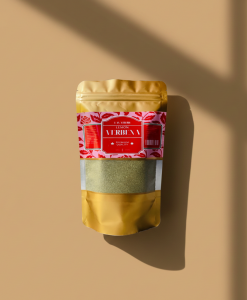
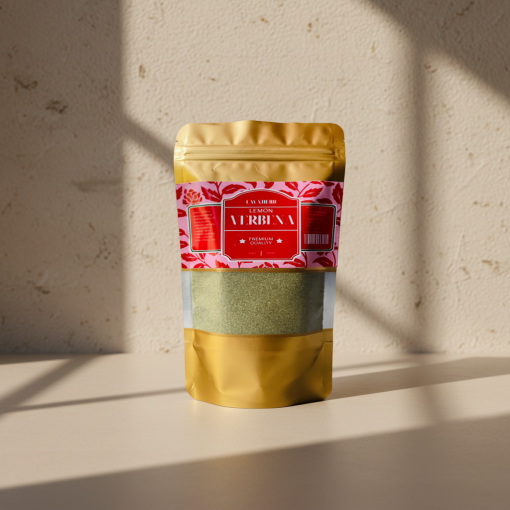
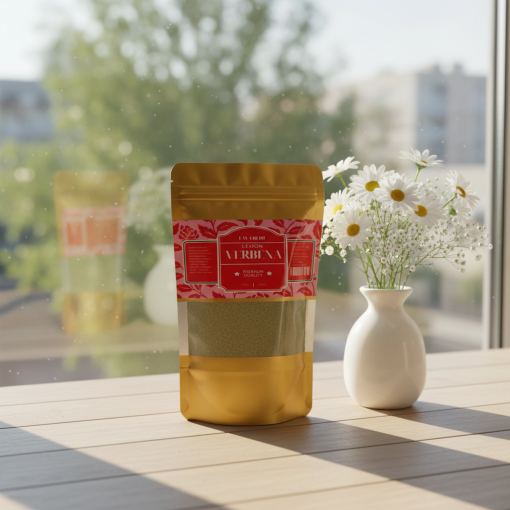
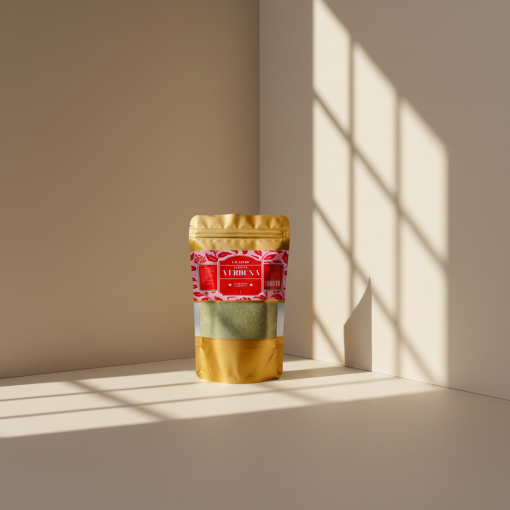
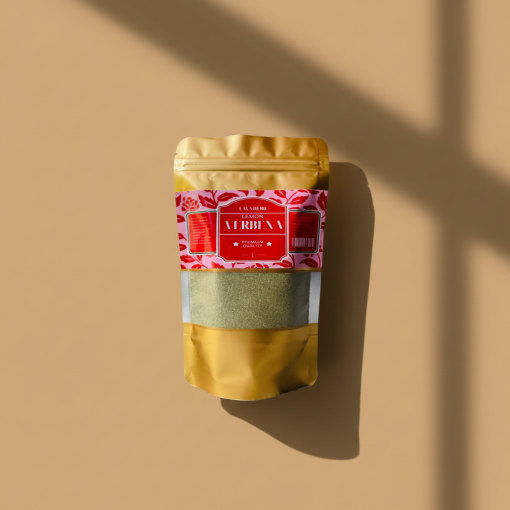
Lemon Verbena Powder – For Tea, Wellness, Digestion & Relaxation 100g
Fava Herb Lemon Verbena Powder is a premium herbal powder with a refreshing citrus aroma, traditionally used to support digestion, relaxation, wellness, herbal teas, and natural skincare formulations.

Book: Returning To Nature’s Ancient Pharmacy -An African Approach To Natural Remedies
What You’ll Discover:
- Daily Herbal Remedies backed by Scripture and tradition
- Natural healing foods like raw honey, fermented drinks, and superfruits
- Uses of animal fats like tallow, ghee, and bone broth
- African healing plants like hibiscus, tamarind, and baobab
- Teas and Adaptogens for stress, energy, and hormone balance
- Spiritual insights on God’s design for healing and wellness
- Practical recipes, homemade remedies, and devotional reflection

