

Healthy Life
Kenyan Purple Tea:Benefits, Scienceand the Color That Changes

Aug
Kenyan Purple Tea:
Benefits, Science
and the Color That Changes
The high-altitude Camellia sinensis cultivar that outperforms blueberries for anthocyanins and quietly redefines what Kenyan tea can be.
In the high-altitude tea gardens of Kenya’s Nandi Hills, at elevations where the equatorial sun is intense and the air cool and thin, a tea plant grows whose leaves turn a deep, rich purple in the field. This is Kenyan purple tea — cultivar TRFK 306/1 — a variety of Camellia sinensis developed over decades of careful breeding by the Tea Research Foundation of Kenya and released for commercial cultivation in the early 2000s. It is grown nowhere else on earth in significant quantity.
What makes purple tea remarkable is not merely its colour but its chemistry. The purple pigmentation comes from an exceptional concentration of anthocyanins — the same powerful antioxidant compounds found in blueberries, acai berries, and red cabbage, but present in purple tea at concentrations that rival or exceed these celebrated superfoods. Combined with a unique compound called GHG (1,2-di-O-galloyl-4-O-(Z)-p-coumaroyl-β-D-glucose) found in no other tea variety, and a lower caffeine level than both green and black tea, purple tea represents a genuinely novel addition to the world of botanical wellness.
This guide examines the science behind purple tea thoroughly — its active compounds, its proven and emerging health benefits, and the extraordinary color-change phenomenon that makes it one of the most visually striking drinks in the world — alongside practical brewing guides and the compelling story of its Kenyan origins.
What Is Kenyan Purple Tea?
- Botanical Name
- Camellia sinensis
- Cultivar
- TRFK 306/1
- Developed By
- Tea Research Foundation of Kenya
- Primary Growing Region
- Nandi Hills, Kenya
- Altitude
- 4,500 – 7,500 feet
- Signature Compound
- Anthocyanins + GHG
Kenyan purple tea is botanically the same species as green, black, white, and oolong tea — all are Camellia sinensis. The difference lies in the cultivar and the processing. The TRFK 306/1 cultivar was selectively bred from wild purple-leafed tea plants native to Assam, India, crossed with Kenyan varietals to adapt them to Kenyan growing conditions. The result is a plant that produces leaves with roughly eight to ten times the anthocyanin concentration of standard green tea.
The high altitude at which it grows plays a central role in its exceptional phytochemical profile. Plants at elevation face intense ultraviolet radiation, and anthocyanins function in part as the plant’s own UV protection — a sunscreen produced at the cellular level. The more intense the UV exposure, the more anthocyanins the plant synthesises. Kenya’s equatorial high-altitude growing zones therefore produce conditions uniquely suited to maximising this compound’s concentration.
In terms of processing, purple tea is typically handled like green tea — minimal oxidation, gentle heat treatment to arrest enzymatic browning — which preserves its anthocyanins and the full delicate spectrum of its bioactive compounds. The resulting tea liquor is a striking purple-blue colour that shifts dramatically with changes in pH.
Active Compounds and Phytochemistry
Purple tea’s therapeutic profile is built on a foundation of compounds shared with other Camellia sinensis teas, elevated by its extraordinary anthocyanin content and distinguished by the presence of GHG — a compound unique to this cultivar with no equivalent in any other commercially available tea.
| Compound | Class | Key Actions |
|---|---|---|
| Anthocyanins (GHG-type) | Flavonoid — anthocyanin | Exceptional antioxidant, anti-inflammatory, neuroprotective, cardiovascular, eye health, anti-obesity |
| GHG (1,2-di-O-galloyl-4-O-(Z)-p-coumaroyl-β-D-glucose) | Acylated glucose | Unique to purple tea; inhibits fat absorption enzymes (lipase), reduces fat cell growth |
| EGCG (Epigallocatechin gallate) | Catechin | Antioxidant, anti-inflammatory, metabolic support, anticancer research |
| EGC, ECG, EC | Catechins | Antioxidant, antimicrobial, cardiovascular protection |
| L-Theanine | Amino acid | Calm focus, alpha-wave brain activity, caffeine modulation, stress reduction |
| Quercetin | Flavonoid | Anti-inflammatory, antihistamine, antioxidant, capillary strength |
| Kaempferol | Flavonoid | Anti-inflammatory, cardiovascular support, anticancer research |
| Myricetin | Flavonoid | Antioxidant, antidiabetic activity, anti-inflammatory |
| Chlorogenic Acid | Phenolic acid | Blood glucose modulation, antioxidant, neuroprotective |
| Caffeine | Alkaloid | Cognitive stimulation, metabolic boost — at one-third lower levels than black tea |
GHG deserves particular focus. This acylated glucose compound, found only in TRFK 306/1 purple tea, has become the subject of growing research interest because of its ability to inhibit pancreatic lipase — the primary enzyme responsible for dietary fat absorption in the gut — as well as its documented capacity to reduce fat cell differentiation (the process by which undifferentiated cells become fat cells). These mechanisms have made purple tea one of the most scientifically interesting teas for weight management research, with two human clinical trials now showing meaningful reductions in body fat percentage in purple tea supplement groups.
The Science of the Color Change
Why Purple Tea Changes Color
Anthocyanins are pH-sensitive molecules — their chemical structure changes shape depending on the acidity or alkalinity of their environment, and this shape change alters which wavelengths of light they absorb, which in turn changes the color we perceive. This is not a special property of purple tea specifically but of all anthocyanin-rich plants. Purple tea simply makes the effect dramatically visible because of its extraordinarily high anthocyanin concentration.
In the acidic environment of a brewed cup (pH approximately 5 to 6), purple tea appears red-purple. As pH rises toward neutral, the color shifts to blue-purple. In alkaline conditions (pH above 7), the color moves toward blue-green and eventually yellow. Add lemon juice — an acid with a pH of approximately 2 — and the anthocyanins react immediately, shifting to vivid pink and rose tones. This reaction is instantaneous, completely safe, and does not alter the tea’s nutritional value.
The color you see when you brew purple tea is therefore partly a reflection of your local water chemistry. Hard water — common in many parts of Kenya and East Africa — is slightly alkaline and will push the brew toward blue. Soft or filtered water produces a truer purple. Adding a squeeze of lemon corrects for water alkalinity and produces a visually striking pink drink while simultaneously softening the flavor and enhancing the perceived sweetness of the tea.
Health Benefits of Purple Tea
Antioxidant Powerhouse
Anthocyanin concentration rivals or exceeds blueberries — among the highest of any plant food or beverage.
Weight Management
GHG inhibits dietary fat absorption and fat cell formation — supported by two published human clinical trials.
Brain and Focus
L-theanine and moderate caffeine create calm alertness; anthocyanins cross the blood-brain barrier and support neuronal health.
Cardiovascular Health
Anthocyanins and catechins reduce LDL oxidation, improve endothelial function, and lower blood pressure.
Eye Health
Anthocyanins specifically accumulate in retinal tissue, protecting against age-related macular degeneration and eye strain.
Blood Sugar Balance
Chlorogenic acid and myricetin slow glucose absorption and improve insulin sensitivity at the cellular level.
Antioxidant Capacity Beyond Blueberries
Anthocyanins are among the most potent natural antioxidants identified in food science, and Kenyan purple tea contains them at concentrations that are genuinely exceptional even by the standards of acknowledged superfood sources. Research comparing purple tea to other anthocyanin-rich plants found that a single brewed cup delivers antioxidant equivalence that exceeds a standard portion of blueberries — a finding that has significant practical implications given how much easier it is to drink a daily cup of tea than to source and consume quality blueberries in East Africa.
These antioxidants neutralise reactive oxygen species — the unstable molecules that damage DNA, proteins, and cell membranes and that drive the chronic oxidative stress underlying cardiovascular disease, neurodegeneration, metabolic dysfunction, and accelerated ageing. By consistently raising the body’s antioxidant status, daily purple tea consumption provides a measurable protective effect across all of these domains simultaneously.
Weight Management and the GHG Advantage
The GHG compound unique to purple tea has attracted the most commercially focused research attention because of its documented effects on fat metabolism. GHG inhibits pancreatic lipase — the enzyme that breaks dietary fat into absorbable fatty acids — meaning that a portion of consumed fat passes through the gut unabsorbed. Simultaneously, GHG reduces adipogenesis: the differentiation of preadipocytes into mature fat cells, which is the biological process underlying long-term fat mass accumulation.
A randomised double-blind placebo-controlled trial involving overweight adults supplemented with purple tea extract found significant reductions in body weight, BMI, body fat percentage, and waist-to-hip ratio compared to placebo over 12 weeks, with no adverse events reported. A second study specifically examining athletes found improvements in body composition with preserved lean muscle mass — distinguishing purple tea’s fat-loss mechanism from simple caloric restriction, which typically reduces both fat and muscle.
Brain Health and Cognitive Performance
Purple tea’s cognitive benefits operate through multiple pathways. The L-theanine and caffeine combination — well-characterised in green tea research — produces sustained, calm alertness without the anxiety and jitteriness associated with coffee-level caffeine intake. But purple tea adds a dimension that standard green tea cannot match: anthocyanins that cross the blood-brain barrier and accumulate in neuronal tissue, where they reduce neuroinflammation, support synaptic plasticity, and protect against the amyloid beta aggregation associated with Alzheimer’s disease.
Eye Health
Anthocyanins have a documented affinity for retinal tissue and are actively transported into the cells of the retina and choroid — the light-sensitive layers at the back of the eye. Here they provide localised antioxidant protection against the photodamage caused by constant light exposure, support rhodopsin regeneration for night vision, and reduce the risk of age-related macular degeneration. This makes daily purple tea consumption a rational, evidence-informed strategy for long-term visual health — particularly relevant in Kenya’s high-UV-intensity environment.
Purple
Tea
Premium Kenyan Purple Tea — Loose Leaf
Single-origin TRFK 306/1 purple tea from Nandi Hills, Kenya. Hand-harvested, minimal-oxidation processed. Deep purple-blue liquor with a clean, smooth finish. Rich in anthocyanins and GHG — batch-tested for authenticity and potency.
Shop Now View All TeasPurple Tea vs Green Tea vs Black Tea
All three come from the same plant species. The differences lie in cultivar selection, growing conditions, and processing. Understanding how purple tea compares helps you decide whether to replace or complement your existing tea habit.
| Property | Purple Tea | Green Tea | Black Tea |
|---|---|---|---|
| Anthocyanins | Very High Best | Trace amounts | None |
| EGCG Catechins | Moderate | Very High Best | Low (oxidised) |
| Caffeine per cup | 25–40 mg Lowest | 40–70 mg | 60–90 mg |
| L-Theanine | Moderate | Highest | Lower (processing) |
| GHG compound | Present Unique | None | None |
| Tannins / Astringency | Low — smooth | Moderate — can be bitter | High — astringent |
| Flavour profile | Smooth, mild, slightly sweet | Grassy, vegetal, sometimes bitter | Bold, malty, tannic |
| Oxidation level | Minimal | None | Full |
| Country of origin | Kenya only | China, Japan, Kenya | Kenya, India, Sri Lanka |
The practical conclusion is that purple tea, green tea, and black tea each offer something the others do not. For maximum phytochemical diversity, rotating between purple and green tea across the day — or brewing a blend — provides the broadest spectrum of beneficial compounds. For those who find green tea too astringent or bitter, purple tea’s smoother, milder character makes it a genuinely accessible alternative that delivers comparable or superior antioxidant benefit.
How to Brew Purple Tea
Purple tea is more forgiving than green tea and harder to over-brew into bitterness, but attention to water temperature and steeping time still rewards you with a noticeably better cup.
Heat water to 80 to 85 degrees Celsius — not fully boiling. Boiling water (100 degrees) can degrade delicate anthocyanins and catechins and extract harsh tannins, producing a flat, slightly bitter cup. If you do not have a temperature-controlled kettle, bring water to the boil and allow it to rest uncovered for 2 to 3 minutes before pouring. This is the single most important variable in purple tea brewing quality.
Use 2 grams of loose leaf purple tea — approximately 1 heaped teaspoon — per 240 ml of water. Unlike black tea, which is generally forgiving of extra leaf, over-measuring purple tea produces a very dark, slightly astringent brew. A scale gives you consistency across cuppings, which is especially useful if you are drinking it daily for therapeutic purposes and want to track your anthocyanin intake reliably.
Pour the water over the leaves and steep for 2 minutes for a lighter, more floral cup, or up to 4 minutes for a fuller-bodied, richer brew. Beyond 5 minutes, tannin extraction increases and the cup can become slightly bitter. Purple tea can be re-steeped two to three times — subsequent infusions are lighter in colour but still deliver meaningful anthocyanin content and a pleasant, clean flavour.
Strain the leaves and observe the liquor: it should appear deep purple to blue-purple, depending on your local water chemistry. This is your baseline. Now experiment: add a squeeze of fresh lemon and watch the colour shift toward pink and rose within seconds — this is the anthocyanin pH reaction and one of the most visually satisfying moments in the world of tea. The lemon also adds brightness to the flavour and is an excellent daily combination.
Purple tea cold-brews exceptionally well and many experienced drinkers prefer it this way. Combine 6 grams of loose leaf tea per litre of room-temperature filtered water in a sealed glass vessel. Place in the refrigerator and leave for 8 to 12 hours. The result is an extraordinarily clear, jewel-toned blue-purple liquid with remarkable depth of flavour, no bitterness, and maximum anthocyanin content — heat degrades a small fraction of anthocyanins, so cold brewing is the most phytochemically complete method. Serve over ice with a slice of lemon for an instantly striking visual effect.
Culinary and Skincare Uses
Culinary Applications
Purple tea’s extraordinary colour makes it one of the most versatile natural food colouring ingredients available — and unlike synthetic colorants, it delivers genuine nutritional value alongside its aesthetic effect. A concentrated purple tea infusion can be used to colour syrups, jellies, rice dishes, cocktails, lemonade, cakes, and pastries in shades ranging from deep purple to vivid pink depending on the acidity of the recipe. This pH-responsive colour change can be exploited deliberately in culinary design — a purple tea lemonade that shifts colour as it is poured is a genuinely memorable presentation.
As a culinary ingredient, brewed purple tea can replace water in cake batters and bread doughs, be reduced to a syrup for dessert sauces, or infused into cream, butter, or coconut milk for flavoured preparations. It pairs beautifully with honey, ginger, lemon, hibiscus, and mint — all of which are readily available across Kenya and East Africa.
Skincare and Cosmetic Applications
Purple tea extract is an emerging ingredient in premium natural skincare, valued for its combination of anthocyanin antioxidant protection, catechin collagen support, and anti-inflammatory polyphenol activity. As a topical ingredient, it inhibits the matrix metalloproteinases (MMPs) that degrade collagen and elastin, provides broad-spectrum antioxidant protection against UV-induced free radical damage, and reduces post-inflammatory hyperpigmentation through tyrosinase-modulating flavonoids. Purple tea extract can be incorporated into facial toners, serums, and mists at 2% to 10% concentration as a water-phase active. It is particularly synergistic with vitamin C (which regenerates oxidised anthocyanins and stabilises the extract), niacinamide (complementary brightening), and hyaluronic acid.
Kenya’s Purple Tea Heritage
Kenya is already the world’s largest exporter of black tea — the Kenyan tea industry supplies more than 20% of the world’s tea export market. But purple tea represents something qualitatively different: not just another tea from Kenya, but a tea that could only come from Kenya. The TRFK 306/1 cultivar was developed by Kenyan scientists, adapted to Kenyan growing conditions, and produces its exceptional anthocyanin profile in direct response to the specific combination of equatorial UV radiation and high-altitude cool temperatures found in the Nandi Hills and surrounding western Kenya tea zones.
This geographic specificity — what wine specialists call terroir — means that purple tea grown at lower altitudes or in other countries produces significantly lower anthocyanin concentrations. The Nandi Hills region sits at the convergence of the right altitude, soil chemistry, rainfall pattern, and UV intensity to coax the plant into producing its most protective, most colourful, and most therapeutic expression. When you buy Kenyan purple tea from a traceable source, you are buying something with genuine geographical identity — a product that carries the specific character of a specific landscape.
- Altitude Range
- 7,500feet above sea level (max)
- Anthocyanin Level
- 10×more than standard green tea
- Cultivar Released
- 2011for commercial production
- Caffeine vs Black Tea
- 33%less caffeine per cup
Tea
Bags
Kenyan Purple Tea — Biodegradable Bags
The same single-origin Nandi Hills purple tea in a convenient, plastic-free bag format. 20 bags per pack. Each bag delivers a full therapeutic dose of anthocyanins and GHG per cup. Unbleached, sealed without staples.
Shop Tea BagsDosage and Safety
Safety and Considerations
- Caffeine Sensitivity: Although purple tea has significantly less caffeine than black or green tea, it is not caffeine-free. Those with severe caffeine sensitivity should begin with a single cup per day and assess tolerance. Avoid drinking purple tea in the hours before sleep if caffeine affects your sleep quality.
- Iron Absorption: Like all Camellia sinensis teas, purple tea contains tannins that can bind non-haem iron and reduce its absorption. Separate purple tea from iron-rich meals or iron supplementation by at least one hour — ideally two hours. This is particularly relevant in contexts of known iron deficiency or anaemia.
- Pregnancy and Breastfeeding: The caffeine content of purple tea, while low, means that consumption should be moderated during pregnancy to within recommended caffeine limits (typically 200 mg per day total from all sources). At 25 to 40 mg per cup, moderate purple tea consumption sits comfortably within these guidelines for most pregnant individuals, but always discuss with your healthcare provider.
- Medication Interactions: The polyphenols in purple tea (as in all Camellia sinensis teas) may interact with certain medications including some blood thinners, beta-blockers (catechins affect drug metabolism), and stimulant medications (additive caffeine effects). Those on regular prescription medication should consult a healthcare provider if consuming more than 2 to 3 cups per day therapeutically.
- Authenticity: Ensure your purple tea is sourced from a reputable Kenyan supplier and is clearly identified as Camellia sinensis TRFK 306/1. Some products labelled “purple tea” in international markets use hibiscus, butterfly pea flower, or other purple-coloured botanicals that have an entirely different chemical profile and do not deliver the GHG or anthocyanin profile specific to genuine Kenyan purple tea.
At standard consumption of two to four cups daily, Kenyan purple tea has an excellent safety record consistent with all well-established Camellia sinensis preparations. The two published clinical trials on purple tea extract found no adverse events across their combined study populations. Its lower caffeine content compared to other teas makes it particularly well-suited for daily consumption across a wide range of individuals, including those who have reduced their coffee or black tea intake for health reasons.
Frequently Asked Questions
These questions address the most common and highest-volume searches around Kenyan purple tea, with complete, accurate answers designed to target People Also Ask placement.
What is Kenyan purple tea?
Why does purple tea change color?
Is purple tea better than green tea?
How much caffeine is in purple tea?
How do you brew purple tea?
What are the health benefits of purple tea?
Where is Kenyan purple tea grown?
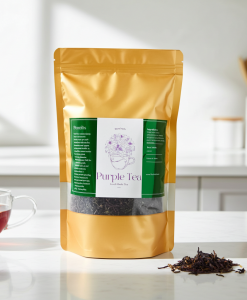
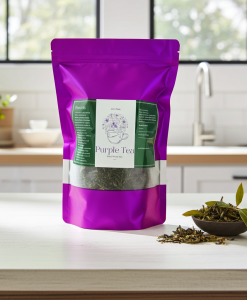
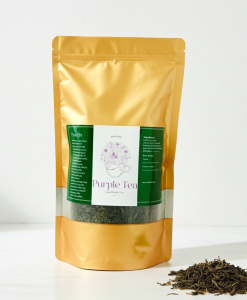
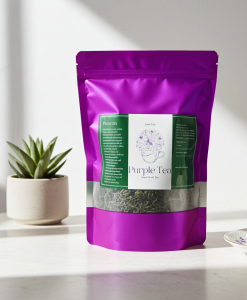
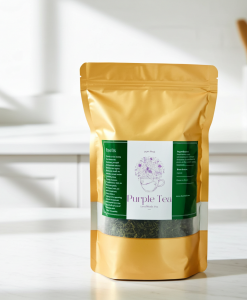
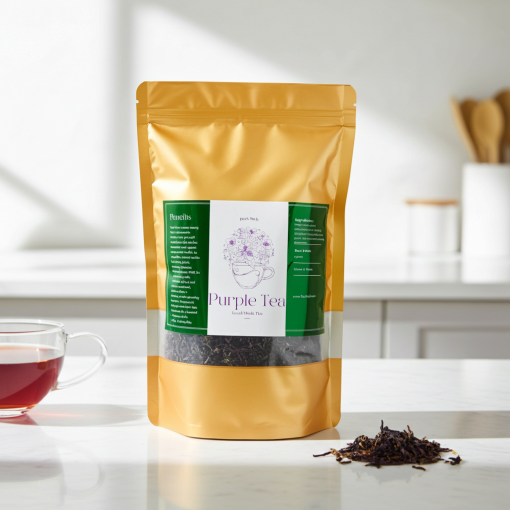
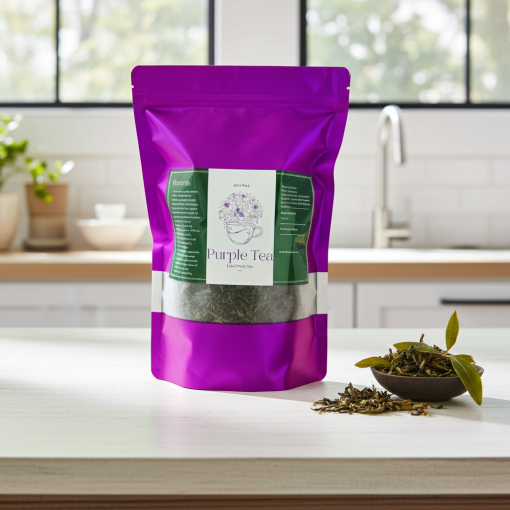
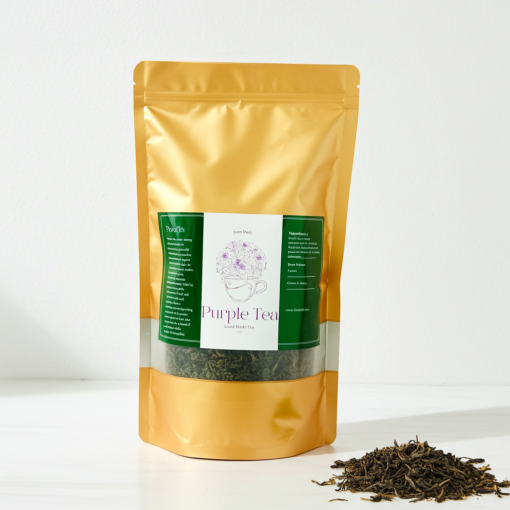
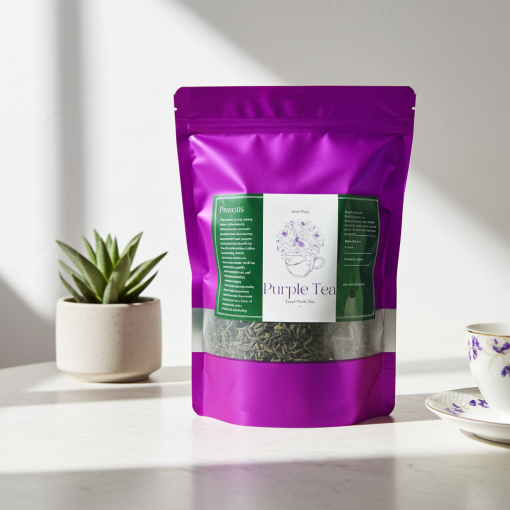
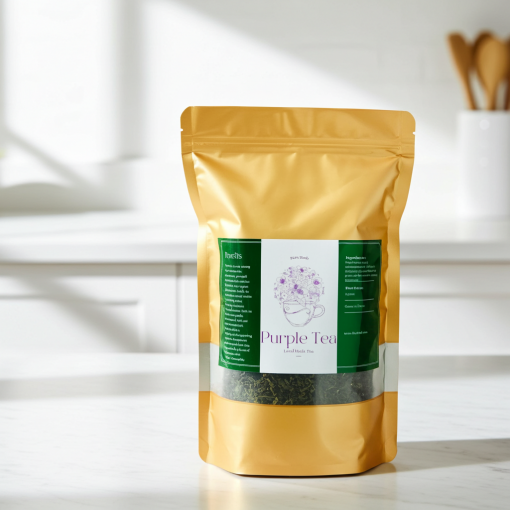
Pure Kenyan Purple Tea – 1kg | Premium Antioxidant-Rich Loose Leaf Tea for Health & Wellness
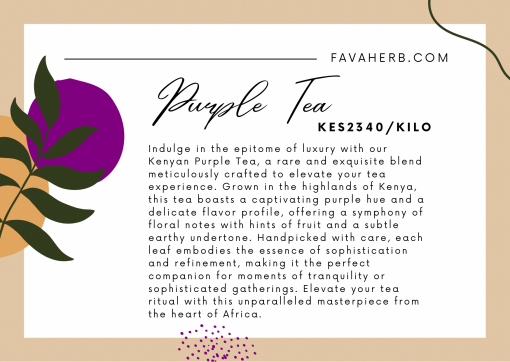
Indulge in the epitome of luxury with our Kenyan Purple Tea, a rare and exquisite blend meticulously crafted to elevate your tea experience. Grown in the highlands of Kenya, this tea boasts a captivating purple hue and a delicate flavor profile, offering a symphony of floral notes with hints of fruit and a subtle earthy undertone. Handpicked with care, each leaf embodies the essence of sophistication and refinement, making it the perfect companion for moments of tranquility or sophisticated gatherings. Elevate your tea ritual with this unparalleled masterpiece from the heart of Africa.

Book: Returning To Nature’s Ancient Pharmacy -An African Approach To Natural Remedies
What You’ll Discover:
- Daily Herbal Remedies backed by Scripture and tradition
- Natural healing foods like raw honey, fermented drinks, and superfruits
- Uses of animal fats like tallow, ghee, and bone broth
- African healing plants like hibiscus, tamarind, and baobab
- Teas and Adaptogens for stress, energy, and hormone balance
- Spiritual insights on God’s design for healing and wellness
- Practical recipes, homemade remedies, and devotional reflection

