
Healthy Life
Mullein Powder :Nature’s Most Complete Lung Herb
Sep
Mullein Powder:
Nature’s Most Complete
Lung Herb
One plant. Three simultaneous respiratory mechanisms. Over two thousand years of consistent use — and the phytochemistry to explain every one of them.
Saponins — Verbascosaponin
Reduces mucus surface tension
Mucilage — Polysaccharides
Aucubins — Protective coating
Verbascoside — Flavonoids
Aucubin — Luteolin
Among the hundreds of plants used in respiratory herbal medicine across global traditions, mullein (Verbascum thapsus) holds a uniquely consistent position. From ancient Greek physicians to Appalachian root workers, from medieval European herbalists to traditional North African healers, mullein has been independently identified and specifically selected as the primary herb for clearing, soothing, and protecting the bronchial passages — with a degree of cross-cultural convergence that speaks louder than any single clinical trial.
Modern phytochemistry has mapped the mechanisms behind this ancient reputation in precise detail. Mullein’s therapeutic action on the respiratory system is driven by three distinct compound classes acting simultaneously through three independent mechanisms — expectorant saponins that loosen and mobilise mucus, demulcent mucilage that soothes and coats irritated membranes, and anti-inflammatory iridoid glycosides and flavonoids that reduce bronchial inflammation at the cellular level. This multi-mechanism, multi-compound action is what makes mullein more clinically effective than single-mechanism over-the-counter cough preparations in complex respiratory presentations.
This guide covers mullein comprehensively — from its phytochemistry and respiratory mechanisms to practical preparation guidance including the critical straining requirement, and an honest overview of its broader health applications and safety profile.
What Is Mullein?
- Botanical Name
- Verbascum thapsus
- Common Names
- Great Mullein, Aaron’s Rod, Flannel Leaf
- Plant Family
- Scrophulariaceae
- Native Range
- Europe, North Africa, Asia
- Plant Type
- Biennial herb
- Parts Used
- Leaves (powder), Flowers (ear oil)
- Primary Action
- Expectorant, Demulcent, Anti-inflammatory
- Preparation Note
- Must strain through fine cloth
Mullein is a striking biennial plant with a distinctive two-year growth cycle. In its first year it produces a rosette of large, soft, densely woolly grey-green leaves that can reach 50 centimetres in length. In the second year, the plant sends up a single dramatic flowering spike reaching one to three metres in height, densely packed with five-petalled yellow flowers that open progressively from base to tip over several months.
Native to Europe and central Asia, mullein has naturalised across North and South America, Australia, and parts of Africa. In traditional medicine systems as geographically diverse as those of ancient Greece, Turkey, the indigenous nations of North America, and the mountain peoples of Appalachia, its respiratory applications are strikingly consistent — a testament to an efficacy obvious enough to be independently discovered and confirmed across cultures without cross-referencing.
The dried and powdered leaves are the primary form used in herbal medicine. The fine star-shaped hairs (trichomes) covering the leaf surface — which give it its characteristic woolly texture — must be carefully strained out of any water-based preparation before consumption, as they irritate the throat and mucous membranes. This is the most important practical consideration specific to mullein and is covered in full detail in the preparation section below.
Active Compounds
Mullein’s therapeutic profile is built on a rich and well-characterised array of phytochemical classes. The diversity of its active compounds explains its broad therapeutic range — from respiratory support and antiviral activity to anti-inflammatory action and lymphatic support.
| Compound | Class | Primary Therapeutic Actions |
|---|---|---|
| Saponins (Verbascosaponin) | Triterpenoid saponin | Primary expectorant — reduces mucus surface tension, stimulates ciliary action to mobilise mucus; anti-inflammatory and mildly antimicrobial |
| Mucilage (Aucubins, Polysaccharides) | Complex polysaccharide | Demulcent — forms a protective, soothing coating over irritated bronchial and oral mucous membranes; reduces inflammation-driven irritation and cough urge |
| Aucubin | Iridoid glycoside | Anti-inflammatory (COX pathway inhibition), antiviral (broad spectrum), hepatoprotective; part of both mucilage and glycoside fractions |
| Catalpol | Iridoid glycoside | Anti-inflammatory, antiviral, neuroprotective; synergistic with aucubin in reducing bronchial inflammation and viral load |
| Verbascoside (Acteoside) | Phenylethanoid glycoside | Potent antioxidant and anti-inflammatory (NF-kB inhibition), antimicrobial, antiviral — also found at high concentration in lemon verbena |
| Luteolin | Flavonoid | Anti-inflammatory, antiviral, bronchial smooth muscle relaxation; contributes to mullein’s bronchodilatory and airway-calming effects |
| Apigenin | Flavonoid | Anti-inflammatory, mild anxiolytic, GABA modulation; contributes to mullein’s mild sedative and relaxing properties |
| Quercetin and Kaempferol | Flavonoids | Antioxidant, anti-inflammatory, antihistamine; support respiratory mucosal health and reduce allergic inflammatory response |
| Tannins | Polyphenol | Mild astringent — reduces mucosal hypersecretion (useful in post-nasal drip contexts), antimicrobial |
| Oleanolic and Ursolic Acid | Triterpene acids | Anti-inflammatory, antimicrobial, antiviral; same compounds found in rosemary, basil, and calendula |
Verbascoside deserves particular emphasis. This phenylethanoid glycoside — also present at high concentrations in lemon verbena — is one of the most pharmacologically well-studied plant compounds identified in the past two decades. Its NF-kB inhibitory activity produces downstream anti-inflammatory effects across multiple tissue types including bronchial epithelium. Combined with the iridoid glycosides aucubin and catalpol, mullein delivers a multi-pathway anti-inflammatory action that is both potent and broadly targeted.
How Mullein Supports Respiratory Health
Mullein’s respiratory effectiveness is not a single-compound story. Three distinct compound classes work simultaneously through three independent mechanisms, each addressing a different aspect of respiratory distress. Understanding each mechanism explains why mullein outperforms many single-active-ingredient remedies for complex respiratory conditions.
Mullein’s saponins reduce the surface tension of thick, sticky mucus that accumulates in the bronchial passages during respiratory illness. This reduction in viscosity makes mucus less adherent to bronchial walls and easier to mobilise. Simultaneously, the saponins stimulate the bronchial cilia — the microscopic hair-like structures lining the bronchial epithelium — to beat more actively, physically moving the loosened mucus upward toward the pharynx where it can be expelled. This is a true expectorant mechanism: it makes coughing more productive rather than suppressing it.
After the expectorant compounds have loosened and mobilised mucus, the bronchial passages are left exposed and irritated — the very irritation that drives the painful dry cough following productive expectoration. Mullein’s mucilage polysaccharides coat and protect these raw mucosal surfaces, forming a thin soothing film that reduces irritation, decreases the sensitivity of cough receptors, and gives the inflamed epithelial cells the time they need to heal. This demulcent action is why mullein tea soothes a cough even as it helps to clear it — a dual action single-mechanism preparations cannot provide.
The underlying driver of most respiratory conditions — whether viral, bacterial, allergic, or environmental — is inflammation of the bronchial mucous membranes. Mullein’s flavonoids (luteolin, quercetin), iridoid glycosides (aucubin, catalpol), and verbascoside inhibit the COX and NF-kB inflammatory pathways driving bronchial inflammation, reducing airway wall swelling, decreasing mucus hypersecretion, and relaxing the bronchial smooth muscle that constricts airways in response to inflammatory signals. This addresses root cause rather than symptoms alone.
The practical significance of this three-mechanism action is considerable. Most over-the-counter cough preparations either suppress coughing (antitussives), thin mucus (mucolytics), or reduce inflammation (decongestants) — but not simultaneously. Mullein addresses all three dimensions in a single preparation, which is why experienced herbal practitioners reach for it first when confronting complex respiratory presentations and why its effectiveness is perceived as greater than the sum of its parts.
Health Benefits of Mullein Powder
Bronchitis and Chest Congestion
The classic indication — mullein’s expectorant and demulcent combination is ideal for both acute and chronic bronchitis with productive or dry cough.
Antiviral Activity
Aucubin, catalpol, and verbascoside have documented antiviral activity against multiple respiratory pathogens including influenza strains and herpes simplex viruses.
Asthma Support
Anti-inflammatory action reduces bronchial hypersensitivity; luteolin relaxes bronchial smooth muscle; demulcent soothes reactive airways. Supportive, not a substitute for prescribed bronchodilators.
Lymphatic Support
Traditional use for lymphatic congestion, swollen lymph nodes in the throat and chest region — particularly associated with respiratory lymphatic clearing.
Antimicrobial Properties
Verbascoside, tannins, and triterpene acids inhibit respiratory bacterial pathogens including Klebsiella pneumoniae and Staphylococcus aureus in laboratory studies.
Mild Sedative and Pain Relief
Apigenin and the flavonoid complex provide mild GABA modulation; traditional use for nervous exhaustion, mild insomnia, and general inflammatory pain.
Antiviral Research — Growing Evidence
Beyond its mechanical respiratory benefits, mullein has attracted growing scientific interest for its antiviral properties. The iridoid glycosides aucubin and catalpol have demonstrated direct antiviral activity against several clinically significant respiratory viruses in laboratory studies — including influenza A strains and herpes simplex viruses 1 and 2. The mechanism involves interference with viral replication rather than simple membrane disruption, suggesting a degree of pharmacological specificity that is meaningful.
A study published in the Journal of Ethnopharmacology examined the antiviral activity of Verbascum thapsus extracts and found significant dose-dependent activity, with the researchers identifying aucubin and verbascoside as the primary active fractions. A separate study examining mullein flower extracts against influenza strains found activity comparable to reference antiviral compounds at high concentrations. While large-scale human clinical trials remain limited, the preclinical evidence is consistent and mechanistically well-supported across multiple independent research groups.
Leaf
Powder
Premium Mullein Leaf Powder
Finely milled dried Verbascum thapsus leaf — harvested at peak potency during the first year of growth and processed at low temperature to preserve saponins, mucilage, and iridoid glycosides. Suitable for tea, tincture, and encapsulation.
Shop Now View All Respiratory HerbsHow to Prepare and Use Mullein Powder
Mullein powder is versatile across several formats, but every water-based preparation requires one non-negotiable step that distinguishes mullein from all other common herbal powders.
Mullein leaves are covered in fine star-shaped trichomes (leaf hairs) that remain in the powder after grinding. These hairs cannot be seen once dissolved in hot water, but they will irritate and scratch the throat and mucous membranes if consumed. A standard tea strainer has holes too large to catch them. You must strain all mullein tea through fine muslin, cheesecloth, or an unbleached coffee filter, pressing the wet cloth to extract all the liquid before discarding the residue. This transforms a potentially irritating preparation into a safe, deeply soothing one.
Mullein Tea
1 to 2 tsp in 300 ml boiling water, covered, steeped 10 to 15 minutes. Strain through fine muslin or coffee filter. Sweeten with raw honey. Drink 2 to 3 cups daily. The direct mucosal contact of the tea provides faster local soothing action than capsules.
Capsules
Encapsulated mullein powder eliminates the straining requirement. Standard dose: 400 to 500 mg per capsule, 2 to 3 capsules 2 to 3 times daily. Best for ongoing maintenance and for those who find tea preparation impractical.
Tincture
1:5 tincture in 40% ethanol captures the full compound spectrum. Standard dose: 2 to 4 ml in water, 2 to 3 times daily. Convenient, long shelf life (2 to 3 years), and consistent dosing. Bypasses the straining requirement entirely.
Steam Inhalation
Prepare a strong infusion (2 to 3 tsp in 500 ml boiling water), strain carefully, then inhale the steam with a towel over your head for 5 to 10 minutes. Delivers expectorant and anti-inflammatory compounds directly to bronchial mucosa via inhalation — fastest action for acute congestion.
Poultice or Compress
Prepare a strong strained infusion, soak a clean cloth in the warm liquid, and apply as a compress for joint pain or inflammatory skin conditions for 15 to 20 minutes. Anti-inflammatory compounds absorb transdermally with consistent use.
Mullein Honey
Mix 2 tbsp mullein powder with 250g raw honey. Leave in a warm place below 40°C for 2 to 4 weeks, stirring daily. Strain through muslin. Take 1 tsp at a time. Combines mullein’s respiratory compounds with honey’s antimicrobial and demulcent properties in a highly palatable format.
Step-by-Step Tea Preparation
-
1Measure the Powder
Place 1 to 2 level teaspoons of mullein leaf powder into a heatproof mug or teapot. For acute respiratory illness use 2 teaspoons. For daily maintenance use 1 teaspoon. If using whole dried leaf rather than powder, crush lightly before using to maximise surface area for extraction.
-
2Pour Boiling Water and Steep Covered
Pour 300 ml of freshly boiled water over the powder. Cover the mug immediately with a saucer or lid — this is important for mullein specifically, as volatile therapeutic compounds will escape with the steam if left uncovered. Steep for a minimum of 10 minutes, up to 15 minutes for a stronger preparation. The longer steep time extracts more mucilage — the soothing demulcent fraction that takes longest to fully release into water.
-
3Strain Through Fine Cloth — Non-Negotiable
Place fine muslin cloth, cheesecloth, or an unbleached coffee filter over a second mug and pour the tea through it slowly. The leaf hair particles will be trapped in the cloth while the therapeutic liquid passes through. Gather the cloth and press it firmly with clean hands to extract the remaining liquid — this final squeeze contains concentrated mucilage. Discard the material in the cloth. A regular strainer is not adequate as its holes are too large to catch the fine trichomes.
-
4Add Honey and Supporting Ingredients
Sweeten with raw honey — raw unheated honey retains its own antimicrobial enzymes and adds genuine therapeutic value beyond palatability. A small piece of fresh ginger or a slice of lemon can be added for complementary warming and antimicrobial effects. Drink while warm. The warmth has a bronchodilatory and mucosal-soothing effect that cold preparations do not deliver.
-
5Dose and Frequency
For acute respiratory illness, drink 3 cups of properly prepared mullein tea daily — morning, mid-afternoon, and evening before bed. The evening cup is particularly valuable as the expectorant action continues through the night, and the demulcent and mild sedative properties support restful sleep. For maintenance and prevention during cold season, 1 cup daily is appropriate for ongoing use.
Mullein Leaf vs Mullein Flower
Mullein leaf powder and mullein flower oil are both well-established herbal preparations from the same plant, but they have distinct compound profiles and different primary applications. Understanding the difference ensures you use the right preparation for your specific need.
- Dried first or second-year leaves, powdered
- High saponin content — primary expectorant
- High mucilage — primary demulcent
- Rich in aucubin and catalpol (iridoids)
- Rich in verbascoside and flavonoids
- Used as tea, tincture, capsules, steam
- MUST be strained through fine cloth for tea
- Primary use: bronchitis, cough, asthma support
- Fresh or dried flowers infused in olive oil
- Higher flavonoid content than leaves
- Lower saponin content than leaves
- Good anti-inflammatory and analgesic properties
- Used topically only — in the ear canal
- Applied as drops for ear infections and ear pain
- No straining required for oil preparations
- Primary use: otitis media (middle ear infection) pain
The two preparations are complementary for combined respiratory and ear health applications — a common combination as ear infections frequently accompany upper respiratory illness. Mullein leaf tea addresses the underlying respiratory condition while mullein flower oil provides targeted local relief for associated ear pain. Always confirm which preparation you are purchasing — “mullein oil” typically means flower-infused oil; “mullein powder” means the leaf-based respiratory preparation.
Combining Mullein with Other Respiratory Herbs
Mullein’s three-mechanism action can be strategically enhanced by pairing it with other respiratory herbs that add complementary properties. The following combinations are well-established in evidence-informed herbal practice.
Mullein + Thyme
Thyme adds powerful antimicrobial and essential oil-driven bronchial antispasmodic action to mullein’s expectorant-demulcent base. The most commonly recommended combination for productive bronchitis with confirmed or suspected bacterial involvement. Combine equal parts as a tea, strained through fine cloth.
Mullein + Marshmallow Root
Marshmallow root has the highest mucilage content of any common herb — it doubles mullein’s soothing demulcent action without adding more saponins. Ideal for dry, hacking, unproductive coughs where the primary need is soothing and coating. Use marshmallow cold infusion combined with strained hot mullein tea.
Mullein + Elecampane
Elecampane is a deep-acting respiratory tonic with strong antimicrobial and expectorant properties suited to chronic or recurring bronchitis, post-infection recovery, and long-standing lung congestion. One of the classic Western herbal medicine combinations for chronic chest conditions.
Mullein + Nettle Leaf
Nettle leaf provides strong antihistamine action through inhibition of histamine release and prostaglandin synthesis — effective for allergic rhinitis, hay fever, and allergic asthma. Mullein’s demulcent soothes the membranes that allergic response inflames while nettle targets the underlying allergic signalling cascade.
Mullein + Elderberry
Elderberry adds broad-spectrum antiviral activity and immune stimulation to mullein’s respiratory support. Best suited for early-stage respiratory viral illness — elderberry works best in the first 24 to 48 hours while mullein manages respiratory symptoms throughout illness and recovery.
Mullein + Raw Honey + Ginger
The most practical daily respiratory preparation. Raw honey adds antimicrobial and demulcent properties; fresh ginger adds warming and circulatory-stimulating effects. This combination makes an exceptionally palatable and effective daily respiratory tonic most adults and older children will take without difficulty.
Herb
Blend
Mullein and Thyme Respiratory Blend
A pre-formulated 50:50 blend of premium mullein leaf powder and dried thyme — the classic combination for bronchitis, productive cough, and chest congestion. Blended to ensure even distribution of both herbs in every measured dose.
Shop BlendDosage and Safety
Safety, Dosage and Contraindications
- Always strain through fine cloth: The single most critical safety requirement specific to mullein. The fine star-shaped trichomes covering the leaf will irritate and scratch the throat and mucous membranes if consumed in liquid preparations. Every mullein tea must be strained through fine muslin, cheesecloth, or a coffee filter before drinking. A standard tea strainer is not fine enough. Capsule and tincture preparations bypass this requirement entirely.
- Recommended daily dose: Tea: 1 to 2 teaspoons steeped in 300 ml boiling water, strained, 2 to 3 cups per day. Tincture: 2 to 4 ml in water, 2 to 3 times daily. Capsules: 400 to 500 mg per capsule, 2 to 3 capsules twice daily. These doses have a long traditional use record with no significant adverse events documented at conventional amounts.
- Pregnancy: Mullein is not recommended during pregnancy. Sufficient safety data does not exist in the clinical literature. Avoid internal use during pregnancy unless specifically advised by a qualified healthcare provider.
- Kidney conditions: Some sources suggest mullein has mild diuretic properties. Those with kidney disease or taking diuretic medications should use mullein cautiously and consult a healthcare provider before regular therapeutic use.
- Sedative medications: Mullein has mild sedative properties mediated by apigenin and other flavonoids. Use with awareness if taking benzodiazepines, barbiturates, or other sedative medications, as there may be additive effects.
- Plant allergies: While rare, allergic reactions to mullein have been reported in individuals with hypersensitivity to plants in the Scrophulariaceae family. Patch test the prepared tea on skin before first internal use if you have known plant allergies.
- Do not use unfiltered dry powder in drinks: Raw mullein powder should never be added directly to food or drink without steeping and straining. The trichomes in the dry powder are a specific irritation risk and must be removed through the wet straining process.
Frequently Asked Questions
These answers address the highest-volume searches around mullein powder, written for featured snippet and People Also Ask placement.
What is mullein powder good for?
How do you make mullein tea?
Does mullein clear mucus from the lungs?
Is mullein safe to use?
What is the difference between mullein leaf and mullein flower?
Can you take mullein every day?
Does mullein help with asthma?

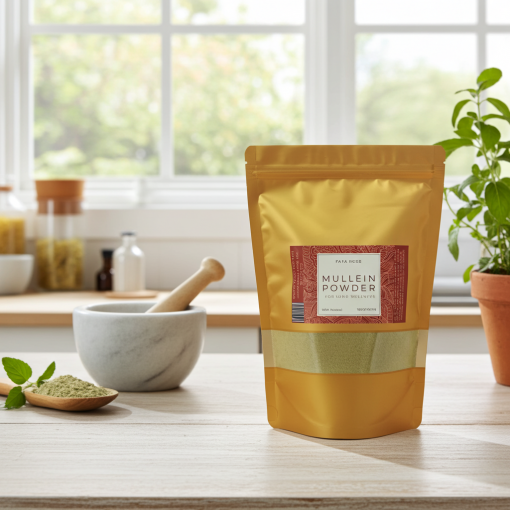
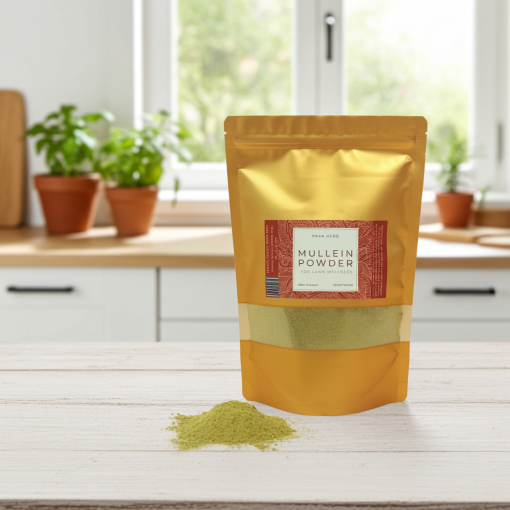
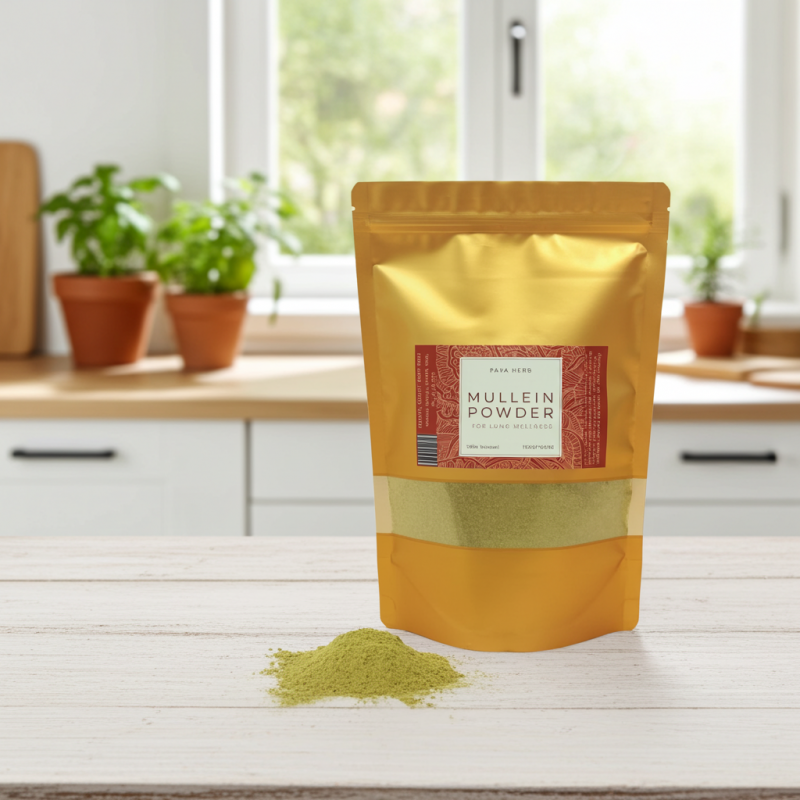
Premium Mullein Powder – Lung Support, Detox & Immune Wellness
Pure Mullein Powder for natural respiratory support, detox, and immune wellness. Ideal for teas, herbal blends, and daily lung health maintenance.

Book: Returning To Nature’s Ancient Pharmacy -An African Approach To Natural Remedies
What You’ll Discover:
- Daily Herbal Remedies backed by Scripture and tradition
- Natural healing foods like raw honey, fermented drinks, and superfruits
- Uses of animal fats like tallow, ghee, and bone broth
- African healing plants like hibiscus, tamarind, and baobab
- Teas and Adaptogens for stress, energy, and hormone balance
- Spiritual insights on God’s design for healing and wellness
- Practical recipes, homemade remedies, and devotional reflection

