
Healthy Life
Calendula: Benefits, Uses & the Complete Oil Guide
Aug
Calendula:
Benefits, Uses & the
Complete Oil Guide
The golden flower that heals wounds, soothes eczema, and produces one of nature’s most versatile skin-care oils.
Few plants in the entire herbal tradition carry the same density of practical usefulness as calendula (Calendula officinalis). Its vivid orange and gold flower heads — which open faithfully at dawn and close at dusk, giving it the folk name “pot marigold” — have graced medicinal gardens since at least the twelfth century, appearing in the records of Hildegard of Bingen and in the pharmacopoeias of every major European herbal tradition. Soldiers used calendula poultices on battlefields during the American Civil War and the First World War, field surgeons noting its remarkable ability to reduce infection and accelerate tissue closure.
Today, modern phytochemistry has mapped the mechanisms behind every one of these traditional uses in precise detail. Calendula’s triterpenoids stimulate collagen synthesis. Its carotenoids provide extraordinary antioxidant protection. Its polysaccharides modulate the immune response and soothe compromised skin barriers. And its infused oil — one of the most widely used botanical preparations in natural skin care — delivers all of these compounds directly into skin tissue, making it one of the most pharmacologically complete topical botanicals available.
This guide covers everything you need to know about both the herb and its oil — from the science of its active compounds to practical preparation guides, safety considerations, and a thorough comparison with chamomile, its closest therapeutic relative.
What Is Calendula?
- Botanical Name
- Calendula officinalis
- Common Name
- Pot Marigold
- Plant Family
- Asteraceae
- Native Range
- Mediterranean Europe
- Parts Used
- Flower heads, petals
- Primary Actions
- Vulnerary, Anti-inflammatory
Calendula is an annual or short-lived perennial herb growing 30 to 60 cm tall, with aromatic lance-shaped leaves and large, composite flower heads in shades of yellow, golden orange, and deep burnt orange. The name Calendula derives from the Latin calendae — the first day of each month in the Roman calendar — reflecting the plant’s near-continuous blooming across the calendar year in mild climates.
It is native to the Mediterranean basin but has been cultivated so widely for so long that it naturalises readily across temperate zones worldwide. In Kenya’s highland and midland regions, calendula grows vigorously in the cool season, producing abundant blooms suited to both harvest and ornamental use. It is not to be confused with African or French marigolds (Tagetes species), which belong to a different genus and have an entirely different chemical and therapeutic profile.
The whole flower heads — or separated ray petals — are used in herbal preparations. The sticky, resinous quality of fresh flowers is due to their high triterpenoid content, which transfers readily into oils and tinctures and is responsible for much of their therapeutic potency.
Active Compounds and Phytochemistry
Calendula possesses one of the most diverse and well-characterised phytochemical profiles in European herbal medicine. Multiple compound classes work synergistically to produce its signature combination of wound-healing, anti-inflammatory, antioxidant, and antimicrobial effects.
| Compound | Class | Key Therapeutic Actions |
|---|---|---|
| Oleanolic Acid | Triterpenoid | Wound healing (granulation tissue stimulation), anti-inflammatory, antitumour research |
| Ursolic Acid | Triterpenoid | Collagen synthesis stimulation, anti-inflammatory, antimicrobial, MMP inhibition |
| Calendulosides A–F | Triterpenoid glycoside | Anti-inflammatory, antifungal, cytotoxic research interest |
| Beta-Carotene | Carotenoid | Antioxidant, skin colour enhancement, pro-vitamin A, UV-protective |
| Lutein & Zeaxanthin | Carotenoid | Antioxidant, photoprotective, anti-inflammatory |
| Quercetin | Flavonoid | Anti-inflammatory, antioxidant, antihistamine, capillary-strengthening |
| Isorhamnetin | Flavonoid | Anti-inflammatory, antioxidant, anti-fibrotic, cardiovascular support |
| Polysaccharides | Complex carbohydrate | Immune stimulation (macrophage activation), skin barrier hydration, wound healing |
| Chlorogenic Acid | Phenolic acid | Antioxidant, antimicrobial, anti-inflammatory |
| Alpha-Cadinol | Sesquiterpene alcohol | Antimicrobial, antifungal (essential oil fraction) |
The triterpenoids — particularly oleanolic acid, ursolic acid, and their glycosidic derivatives — are the most pharmacologically significant compounds in calendula. They account for its exceptional wound-healing and anti-inflammatory activity through a dual mechanism: direct inhibition of pro-inflammatory signalling pathways (including COX-2 and 5-LOX) and simultaneous stimulation of fibroblast proliferation and collagen synthesis in healing tissue. This is why calendula outperforms many other anti-inflammatory botanicals in wound-care applications — it does not merely suppress inflammation but actively drives tissue regeneration.
Health Benefits of Calendula
Wound Healing
Triterpenoids drive collagen synthesis and granulation tissue formation — physically closing wounds faster.
Anti-Inflammatory
COX-2 and 5-LOX pathway inhibition reduces inflammation across skin, gut, and joint tissue.
Immune Support
Polysaccharides stimulate macrophage activity, strengthening the body’s first-line defence against pathogens.
Digestive Healing
Soothes gastric and intestinal mucosa; traditionally used for peptic ulcers, gastritis, and IBD flares.
Lymphatic Support
Traditionally used to resolve lymphatic congestion, swollen lymph nodes, and chronic fluid retention.
Antifungal Action
Calendulosides and volatile compounds inhibit Candida and dermatophyte fungi at clinically relevant concentrations.
Wound Healing and Tissue Repair
Calendula’s reputation as the premier wound-healing herb in the European tradition is fully justified by its pharmacology. Its triterpenoids act directly on fibroblasts — the cells responsible for laying down the collagen scaffold of new tissue — stimulating their proliferation and increasing the rate of collagen deposition. Simultaneously, its flavonoids and carotenoids reduce the oxidative burden on healing tissue, and its antimicrobial compounds prevent opportunistic infection in open wounds.
A randomised controlled trial published in the Journal of Wound Care (2009) found that topical calendula ointment was significantly superior to petroleum jelly in promoting healing and reducing infection risk in surgical wounds. A separate trial published in the Journal of Clinical Oncology found calendula cream superior to trolamine in preventing and treating acute dermatitis in patients undergoing radiotherapy — one of the most rigorous skin-stress environments tested in clinical research.
Digestive Health and Mucosal Repair
Calendula’s wound-healing action extends internally to the gastrointestinal mucosa. Its anti-inflammatory and tissue-regenerating properties make it a rational and evidence-consistent treatment for gastric ulcers, gastritis, and inflammatory bowel conditions. The polysaccharide fraction creates a protective mucilaginous coating over inflamed mucosal surfaces, reducing acid irritation and shielding healing tissue from further damage. German Commission E, the scientific advisory body that evaluated herbal medicines for the German national health system, approved calendula flower tea for the internal treatment of inflammatory conditions of the oral mucosa and gastrointestinal tract.
Lymphatic and Immune Support
Calendula occupies an important place in lymphatic herbal medicine. Traditionally prescribed for swollen lymph nodes, tonsillar inflammation, and chronic fluid retention, it is believed to stimulate lymphatic circulation and drainage, helping clear cellular debris and immune complexes from congested tissues. This application is supported by its polysaccharide-driven macrophage activation — macrophages are the primary immune cells responsible for lymphatic tissue clearance — and by its anti-inflammatory triterpenoids, which reduce the glandular swelling that impairs lymphatic flow.
Flowers
Premium Dried Calendula Flowers
Whole flower heads harvested at peak carotenoid concentration, slow-dried and tested for pesticide residues. Ideal for teas, tinctures, salves, and oil infusions. Rich, vivid colour indicates high triterpenoid and carotenoid content.
Shop Now View All ProductsCalendula for Skin
Skin health is where calendula delivers its most dramatic and widely recognised results. It is one of the few botanical preparations that is simultaneously recommended for the most delicate skin — newborns, radiation patients, post-surgical wounds — and for everyday maintenance in mature, dry, or inflamed skin conditions.
Eczema and Dermatitis
For eczema (atopic dermatitis), calendula addresses the condition at multiple levels simultaneously. Its triterpenoids inhibit the pro-inflammatory cytokines (IL-4, IL-13, TNF-alpha) that drive atopic inflammation. Its polysaccharides restore hydration to the impaired skin barrier that is characteristic of eczema. Its antimicrobial compounds reduce the risk of Staphylococcus aureus colonisation — the most common secondary infection in eczema — while its carotenoids provide antioxidant protection against reactive oxygen species generated during flares. Applied twice daily as a cream or oil to affected areas, calendula is one of the most comprehensively targeted natural treatments available for eczema management.
Scar Reduction and Skin Renewal
By stimulating fibroblast proliferation and collagen synthesis while simultaneously modulating the inflammatory processes that create excess scar tissue (keloids and hypertrophic scarring), calendula helps guide wound healing toward a more organised, less fibrotic outcome. Regular application of calendula oil or cream to healing scars, stretch marks, and post-procedure skin accelerates the remodelling phase of healing and progressively reduces the appearance of scar tissue over weeks of consistent use.
Anti-Ageing and Photoprotection
Calendula’s exceptional carotenoid content — beta-carotene, lutein, and zeaxanthin — provides topical antioxidant protection against UV-induced free radical damage, one of the primary drivers of photoageing. The quercetin and isorhamnetin flavonoids additionally inhibit matrix metalloproteinases (MMPs), the enzymes that degrade collagen and elastin, while its triterpenoids actively stimulate collagen production. This combination of collagen protection and collagen generation makes calendula one of the most multi-targeted anti-ageing botanical actives available.
Calendula Oil: The Complete Guide
Calendula oil is arguably the most versatile and universally applicable natural skin care oil in existence. Unlike the essential oils of peppermint or lavender — which are steam-distilled volatile compounds — calendula oil is an infused oil: a carrier oil in which dried calendula flowers have been macerated over time, drawing out the fat-soluble triterpenoids, carotenoids, and flavonoids into the oil. The result is a golden, deeply nourishing oil that concentrates the plant’s skin-healing actives in a form that is immediately bioavailable to skin tissue.
True steam-distilled calendula essential oil does exist and is used in high-end natural perfumery, but it is expensive, rarely encountered in commercial skin care, and beyond the scope of most consumers. When any product label, herbalist, or guide refers to “calendula oil,” it invariably means the infused oil — which is the preparation discussed throughout this section.
What Makes Calendula Oil Effective
The carrier oil used as the base for calendula infusion contributes its own therapeutic properties alongside the calendula extract. The most common bases are sunflower oil (light, high in linoleic acid, excellent for sensitive and acne-prone skin), olive oil (richer, more occlusive, traditional European apothecary base), and sweet almond oil (skin-identical fatty acid profile, good for facial use). The infusion process transfers the calendula’s triterpenoids, carotenoids, and fat-soluble flavonoids into whichever oil is used, producing a combined therapeutic profile that is greater than either component alone.
Benefits of Calendula Oil for Skin
How Calendula Oil Is Made
There are two reliable production methods. The cold/solar infusion method produces the most aromatically complete oil but takes four to six weeks. The warm infusion method is faster — four to eight hours — and delivers a product of comparable therapeutic quality.
-
1Dry the flowers thoroughly
This is the single most critical step. Any moisture in the flowers will cause the oil to go rancid and mould. Use flower heads or petals that have been dried at 35 to 40 degrees Celsius until completely brittle — zero residual moisture. Commercial dried calendula purchased from a reputable supplier is ready to use immediately.
-
2Fill a clean jar with dried flowers
Pack a sterilised, completely dry glass jar loosely with dried calendula flowers or petals. Do not pack them tightly — the oil needs to circulate around the plant material. Aim for the flowers to fill about two-thirds to three-quarters of the jar.
-
3Cover completely with carrier oil
Pour your chosen carrier oil over the flowers until they are completely submerged with at least 2 to 3 cm of oil above the top of the plant material. Sunflower oil is the most commonly used base — it is light, neutral in scent, and has an excellent skin profile. Olive oil produces a richer, more traditional product. Ensure no flower material is exposed above the oil surface, as exposed plant material will mould.
-
4Infuse using solar or warm method
Solar method: seal the jar, shake well, and place on a sunny windowsill for 4 to 6 weeks, shaking daily. The oil will deepen from pale yellow to rich golden-orange as the carotenoids transfer. Warm method: place the jar (lidded) in a double boiler or slow cooker on its lowest setting, maintaining the oil at 40 to 50 degrees Celsius for 4 to 8 hours. This is below the temperature that would damage the active compounds.
-
5Strain and store
Strain the infused oil through a fine mesh strainer lined with muslin or cheesecloth. Press the spent flowers firmly to extract every drop of oil — the most concentrated material sits absorbed in the plant material. Bottle in dark glass (amber or cobalt) and store away from heat and direct light. A correctly made calendula oil stored properly will remain potent for 12 to 18 months.
How to Use Calendula Oil
Calendula oil is ready to use directly on skin without further dilution. It can be applied neat to dry skin, eczema patches, healing wounds, stretch marks, and cracked areas. For facial use, 2 to 4 drops warmed between the fingertips and pressed gently into cleansed skin provides a deeply nourishing facial oil treatment. It can be used as a massage oil for inflamed joints and muscles, as a nappy change barrier oil for babies, or as a base for making salves, creams, and balms by combining it with beeswax or shea butter.
In formulation, calendula oil works beautifully alongside rosehip oil (additional collagen support), sea buckthorn oil (intense carotenoid synergy), and vitamin E (antioxidant preservation). As a carrier for essential oils, it is one of the most therapeutically active bases available — a meaningful upgrade from plain jojoba or sweet almond oil for any therapeutic blend.
Oil
Premium Calendula Infused Oil
Artisan cold-process infusion in organic sunflower oil — 6-week solar maceration at ambient temperature for maximum carotenoid and triterpenoid transfer. Deep golden colour confirms potency. Suitable for all skin types including babies.
Shop Calendula OilHow to Use Calendula
-
1Calendula Tea (Infusion)
Steep 1 to 2 teaspoons of dried calendula flowers in 240 ml of freshly boiled water for 10 to 15 minutes. Cover while steeping to prevent volatile compound loss. Strain and drink warm. The tea has a mild, slightly bitter, pleasantly floral flavour that accepts honey well. For internal therapeutic use — digestive healing, lymphatic support, immune stimulation, and menstrual regulation — 2 to 3 cups daily is the standard recommendation. The tea can also be cooled and used as a topical wound wash, facial rinse for irritated skin, or eye wash for mild conjunctivitis (use a fresh cooled infusion and ensure all plant material is thoroughly strained out).
-
2Tincture (Alcohol Extract)
A 1:5 tincture in 60% ethanol captures both the water-soluble polysaccharides and flavonoids and the more resinous triterpenoids effectively. The standard adult dose is 2 to 4 ml three times daily in water. Tinctures are the most practical format for therapeutic courses aimed at internal conditions — digestive healing, lymphatic support, and immune modulation — where consistent dosing over four to eight weeks is required. Look for tinctures that specify the flower head rather than just petals, as the whole flower contains a broader compound spectrum.
-
3Infused Oil (Topical)
See the dedicated calendula oil section above for full preparation and usage guidance. As a topical preparation, calendula infused oil is the most versatile format — used neat or incorporated into salves, creams, and balms. Apply 2 to 4 drops to affected areas two to three times daily for wound healing, eczema, or scar management. For daily skin nourishment, a few drops pressed into damp skin after bathing is both effective and deeply pleasant.
-
4Salve or Balm
A calendula salve is made by gently melting beeswax (typically 10 to 15% by weight) into warm calendula-infused oil, then pouring into tins or jars to set. The result is a semi-solid preparation that provides the anti-inflammatory and wound-healing actives of the oil with the added occlusive benefit of beeswax — creating a physical barrier that protects damaged skin from environmental irritants, reduces trans-epidermal water loss, and holds the active compounds in prolonged contact with the skin. Calendula salve is one of the most practical preparations for nappy rash, cracked heels, lip balm, and first-aid wound care.
-
5Compress
Prepare a strong infusion (3 teaspoons of dried flowers per 240 ml water, steeped for 20 minutes). Soak a clean cloth in the cooled or warm infusion and apply to the affected area for 15 to 20 minutes. This method is particularly effective for slow-healing wounds, inflamed joints, bruising, varicose ulcers, mastitis, and swollen lymph nodes. The compress delivers high-concentration active compounds directly to target tissue and can be refreshed with fresh infusion as it cools.
-
6Culinary Use
Calendula petals are edible and have a long culinary history. They add a warm golden colour and a mildly bitter, slightly peppery flavour to salads, rice dishes, soups, and egg preparations — earning the herb another folk name, “poor man’s saffron.” Dried petals can be infused into honey, vinegar, or butter for a flavoured culinary preparation that also delivers therapeutic carotenoids and flavonoids. They are also used to colour and flavour herbal teas and are a beautiful garnish for plated dishes and baked goods.
Calendula vs Chamomile: Key Differences
Calendula and chamomile are often compared or confused — both are Asteraceae family members with yellow or orange composite flowers and strong anti-inflammatory reputations. They are, however, distinct plants with meaningfully different therapeutic strengths. Choosing correctly between them depends on the specific condition being treated.
- Calendula officinalis
- Primary action: wound healing and tissue regeneration
- Higher triterpenoid and carotenoid content
- Better for wounds, eczema, scars, and skin repair
- Stronger antifungal activity
- Better for lymphatic congestion and immune stimulation
- Longer history of topical clinical use and evidence
- Matricaria chamomilla / Chamaemelum nobile
- Primary action: anti-spasmodic and nervine
- Higher bisabolol and chamazulene content
- Better for allergic skin conditions and sensitive skin
- Stronger digestive anti-spasmodic and carminative
- Superior for anxiety, sleep, and stress-related complaints
- Stronger antihistamine and anti-allergic properties
For skin repair, wound healing, and eczema, calendula is the stronger choice. For digestive cramping, nervous tension, allergic skin reactions, and insomnia, chamomile typically performs better. Many formulations and practitioners combine both herbs effectively — their complementary mechanisms mean that together they cover a broader therapeutic base than either does alone. Combined in a salve or cream, they address both the structural repair (calendula) and the allergic-inflammatory itch-scratch cycle (chamomile) that characterise severe eczema.
Growing Calendula
Calendula is one of the easiest and most rewarding herbs to grow, requiring almost no specialist knowledge and producing abundant harvests over a long flowering season. It is genuinely among the best beginner garden herbs.
Planting and Establishment
Sow seeds directly into a prepared bed or container from early spring through summer — or in autumn in frost-free climates including Kenya’s highlands. Calendula prefers full sun to light partial shade and well-drained soil of moderate fertility. It tolerates a wide range of soil types and is one of the few useful herbs that actually performs better in slightly poorer soil — excess nitrogen promotes lush leaf growth at the expense of flower production. Sow seeds 6 mm deep, spacing plants 30 cm apart. Germination occurs in 7 to 14 days and the first flowers appear within 6 to 8 weeks of sowing.
Harvesting for Maximum Potency
Harvest flower heads in the morning once the dew has lifted, when the flowers are fully open and at peak carotenoid concentration. Deadhead regularly — removing spent flowers promptly — as this dramatically extends the productive season by signalling the plant to produce more flowers rather than setting seed. For drying, spread freshly harvested flowers in a single layer on drying racks and dry at 35 to 40 degrees Celsius until the petals are completely crisp and the centres no longer feel moist. Properly dried calendula has a vivid, deep orange colour — pale or bleached flowers indicate over-drying or UV exposure damage. Store in airtight, opaque containers away from heat and light.
Dosage and Safety
Safety and Contraindications
- Asteraceae Allergy: Calendula belongs to the same botanical family as ragweed, chrysanthemum, and daisy. Individuals with known hypersensitivity to Asteraceae plants should conduct a patch test before topical use and exercise caution with internal preparations. Symptoms of allergy include contact dermatitis, itching, or hives at the application site.
- Pregnancy — Internal Use: Calendula has mild emmenagogue (menstrual-stimulating) properties. Internal use of therapeutic doses — tea, tincture — is not recommended during pregnancy. Topical use of calendula oil or cream on the skin is generally considered safe.
- Sedative Medications: Calendula has mild sedative properties. It may potentially add to the effects of sedative medications including benzodiazepines, barbiturates, and some antihistamines. Those on sedative medications should discuss with their prescriber before therapeutic internal use.
- Diabetes Medication: Animal studies have suggested calendula may have mild hypoglycaemic effects. Those on blood-glucose-lowering medications should monitor their levels if using therapeutic-dose calendula preparations internally.
- Tagetes Confusion: Ensure products are labelled as Calendula officinalis, not Tagetes (African or French marigold). They are entirely different plants with different safety profiles and must not be substituted for each other.
For most healthy, non-pregnant adults and children (topical use), calendula has an outstanding safety profile. It is one of very few herbal preparations recommended without significant qualification for use on newborn skin. Its long history of use in conventional hospital settings — from radiotherapy wards to surgical wound care — reflects the confidence the broader medical community has in its safety and efficacy. As with all medicinal herbs, reasonable caution applies during pregnancy, for those with known plant allergies, and in the context of specific medications as listed above.
Frequently Asked Questions
The following questions address the most searched queries about calendula and calendula oil, with complete, practical answers.
What is calendula used for?
What is calendula oil good for?
How do you make calendula oil at home?
Is calendula safe for babies?
What is the difference between calendula and chamomile?
Can calendula heal wounds faster?
Is calendula good for eczema?
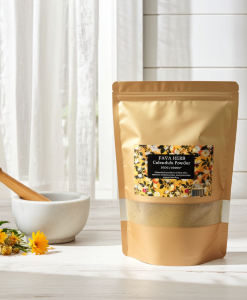
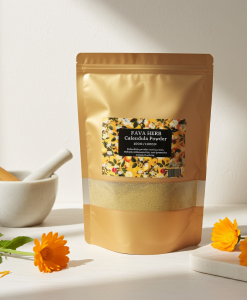
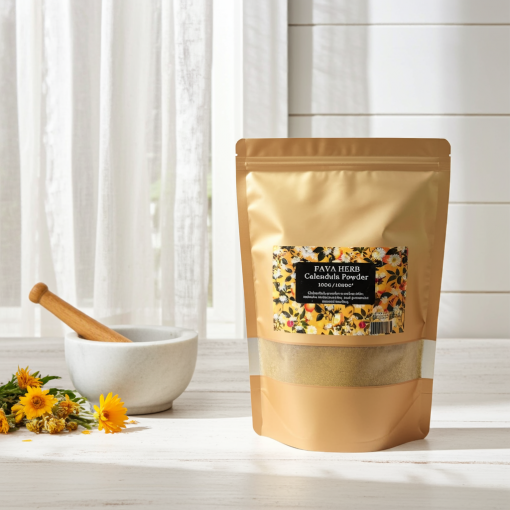
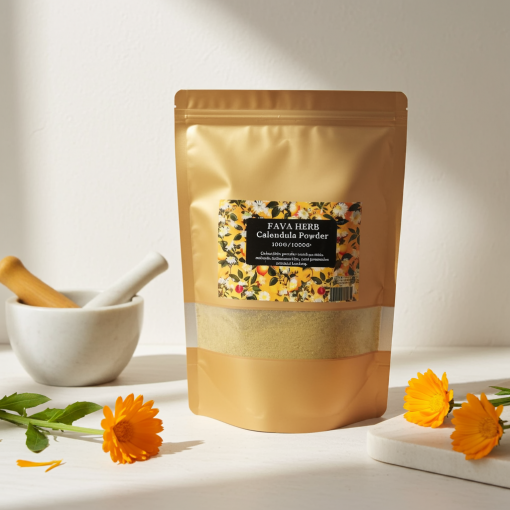
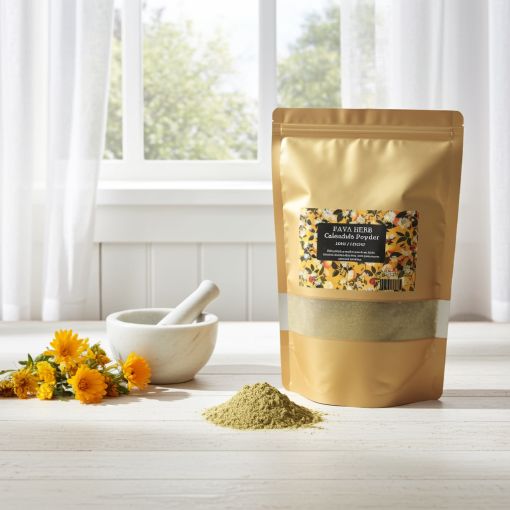
Premium Calendula Powder – 1kg | 100% Natural, Skin-Healing & Anti-Inflammatory Herb
Pure Calendula Powder (1kg) – natural, soothing, and healing herbal powder for skin, hair, and wellness. Ideal for creams, soaps, teas, and DIY beauty recipes.

Book: Returning To Nature’s Ancient Pharmacy -An African Approach To Natural Remedies
What You’ll Discover:
- Daily Herbal Remedies backed by Scripture and tradition
- Natural healing foods like raw honey, fermented drinks, and superfruits
- Uses of animal fats like tallow, ghee, and bone broth
- African healing plants like hibiscus, tamarind, and baobab
- Teas and Adaptogens for stress, energy, and hormone balance
- Spiritual insights on God’s design for healing and wellness
- Practical recipes, homemade remedies, and devotional reflection

