

Healthy Life
ROSEHIP OIL: Nature’s Most CompleteSkin-Renewing Oil

Aug
ROSEHIP OIL
Nature’s Most Complete
Skin-Renewing Oil
Cold-pressed from the seeds of Kenya’s rose fields — a uniquely balanced essential fatty acid profile that modern dermatology is only beginning to fully appreciate.
Fatty Acid
Profile
Cold-pressed rosehip oil is one of the most comprehensively studied botanical oils in modern dermatology — and one of the most consistently impressive. Extracted from the seeds of the rosehip fruit (the small, jewel-red berry that forms on rose plants after the flowers have bloomed), it is a dry, fast-absorbing oil with a characteristically warm orange-gold colour and a nutritional profile that distinguishes it from every other plant-based skin oil. Its most defining feature is its essential fatty acid balance — approximately 44% linoleic acid (omega-6) and 22% alpha-linolenic acid (omega-3) — a combination that addresses both the barrier repair and anti-inflammatory requirements of skin health with a precision that few single ingredients can match.
The primary botanical sources for commercial rosehip oil are Rosa canina (the Dog Rose, widely distributed across Europe, Africa, and Asia) and Rosa rubiginosa (the Sweet Briar, native to Chile and Argentina). Both yield oils with very similar fatty acid profiles and comparable therapeutic properties. What makes rosehip oil’s story particularly compelling in East Africa is the extraordinary scale of Kenya’s rose cultivation industry — the world’s third-largest rose producer — which creates an abundant and sustainable local source of rosehips, and with it, the potential to produce premium cold-pressed rosehip oil entirely within East Africa.
This guide examines rosehip oil comprehensively — from the precise chemistry of its fatty acid and antioxidant profile to clinical evidence for its most important skin applications, practical guidance on how to use it effectively, and an honest explanation of what quality cold-pressed rosehip oil should look, smell, and perform like.
What Is Rosehip Oil?
- Primary Source
- Rosa canina, Rosa rubiginosa
- Plant Family
- Rosaceae
- Part Used
- Seeds inside the rosehip fruit
- Extraction
- Cold-pressed (mechanical)
- Colour
- Golden orange (carotenoids)
- Key Fatty Acids
- Linoleic, Alpha-Linolenic
- Skin Classification
- Dry oil — fast absorbing
- Kenyan Source
- Lake Naivasha region
The rosehip is not a true botanical fruit in the strict sense — it is the hypanthium (the fleshy floral tube) of the rose plant that develops and swells after pollination, enclosing several hard seeds within. These seeds, once separated from the surrounding pulp and cold-pressed, yield the golden oil known as rosehip seed oil. This is the premium preparation — what is sold as skincare-grade rosehip oil in the international market.
It is important to distinguish rosehip seed oil from rosehip fruit extract or rosehip powder, which are derived from the whole fruit including the vitamin C-rich flesh. The flesh is extraordinarily high in ascorbic acid (vitamin C), making whole rosehip extracts valuable nutritional supplements. The seed oil, by contrast, is negligible in vitamin C (which is water-soluble and does not transfer into the pressed oil) but uniquely rich in fat-soluble compounds — essential fatty acids, tocopherols (vitamin E), carotenoids, and other lipid-phase bioactives that are the true drivers of its skin therapeutic activity.
The oil’s characteristic golden-orange colour comes from beta-carotene and other carotenoids present in the seeds. These pigments are a visual quality indicator — a well-pressed, fresh rosehip oil should have a deep golden to orange tone. A pale, nearly colourless rosehip oil has either been heavily refined or is derived from a less carotenoid-rich source, and will deliver inferior therapeutic results.
Active Compounds — Fatty Acids and Beyond
Rosehip oil’s therapeutic profile is built on a remarkably well-suited combination of essential fatty acids, fat-soluble antioxidants, and minor lipid compounds. Understanding the role each plays allows for a precise appreciation of why this oil performs the way it does on skin.
The Essential Fatty Acid Profile
| Fatty Acid | Type | % in Rosehip Oil | Primary Skin Action |
|---|---|---|---|
| Linoleic Acid (C18:2) | Omega-6, polyunsaturated | Skin barrier repair, sebum regulation, reduces comedone formation, anti-inflammatory | |
| Alpha-Linolenic Acid (C18:3) | Omega-3, polyunsaturated | Potent anti-inflammatory, skin cell regeneration, reduces post-inflammatory redness | |
| Oleic Acid (C18:1) | Omega-9, monounsaturated | Skin penetration enhancer, deeply nourishing, supports the delivery of other actives | |
| Palmitic Acid (C16:0) | Saturated | Skin barrier support, mild emollient, stability contribution | |
| Stearic Acid (C18:0) | Saturated | Emollient, skin conditioning |
The ratio of linoleic to oleic acid is what makes rosehip oil particularly interesting from a dermatological standpoint. Research published in the Journal of Investigative Dermatology established that acne-prone and congested skin consistently shows a sebum deficiency in linoleic acid relative to oleic acid. This imbalance makes sebum more viscous, contributes to follicular blockage, and promotes the inflammatory cascade that produces acne lesions. Applying a high-linoleic oil like rosehip helps restore this ratio — one of the reasons rosehip oil is well-tolerated and genuinely beneficial even for oily, acne-prone skin types.
Additional Active Compounds
| Compound | Class | Skin and Health Actions |
|---|---|---|
| Beta-Carotene | Carotenoid (pro-vitamin A) | Antioxidant protection against UV-induced free radical damage; pro-vitamin A activity supports cell turnover; gives oil its characteristic golden colour |
| Lycopene | Carotenoid | Powerful antioxidant; photoprotective; anti-inflammatory in skin tissue |
| Rubixanthin | Xanthophyll carotenoid | Antioxidant specific to rose hips; contributes to the distinctive orange colouration and UV-protective activity |
| Tocopherols (Vitamin E) | Fat-soluble antioxidant | Lipid peroxidation prevention in skin; free radical scavenging; supports skin barrier integrity; synergistic with carotenoids |
| Phytosterols | Sterol | Anti-inflammatory, skin barrier repair, collagen synthesis support — structurally similar to cholesterol in the skin barrier |
| Vitamin K | Fat-soluble vitamin | Reduces the appearance of under-eye circles, bruising, and broken capillaries; supports skin healing |
| Polyphenols (trace) | Mixed phenolics | Antioxidant, anti-inflammatory; minor transfer from seed to oil during pressing |
A note on vitamin A: rosehip oil contains beta-carotene and other pro-vitamin A carotenoids that the body can convert to retinol as needed. Many popular sources claim rosehip oil contains “retinoic acid” or “tretinoin” — this is not supported by the analytical chemistry literature. The skin-renewing and cell-turnover-promoting effects of rosehip oil are real, but they are primarily attributable to its essential fatty acid profile and carotenoid content rather than to direct retinoid activity. This distinction matters: it is why rosehip oil does not cause the photosensitivity and irritation associated with prescription retinoids, while still supporting skin renewal.
Skin Benefits of Rosehip Oil
Anti-Ageing and Wrinkle Reduction
Essential fatty acids restore skin barrier integrity and suppleness; carotenoids protect against photoageing; vitamin E prevents lipid peroxidation that degrades collagen architecture.
Scar Reduction
Linoleic acid guides organised collagen formation in healing tissue; alpha-linolenic acid reduces the excess inflammation that creates raised or discoloured scar tissue. Clinically tested with positive outcomes.
Hyperpigmentation
Carotenoids promote skin cell turnover; the oil’s anti-inflammatory action reduces post-inflammatory pigmentation; consistent use brightens and evens skin tone over six to eight weeks.
Eczema and Sensitive Skin
High alpha-linolenic acid calms inflammatory pathways; linoleic acid restores the compromised skin barrier characteristic of eczema; suitable for reactive, sensitised, and allergy-prone skin.
Stretch Marks
Fatty acids support organised collagen deposition and skin elasticity; carotenoids promote cell renewal; most effective when applied consistently during and immediately after periods of skin stretching.
Dry Skin Nourishment
A fast-absorbing dry oil that delivers deep nourishment without residue — the linoleic-dominant profile means it nourishes without occlusion, suitable even for warm climates like Kenya’s highland zones.
Scar Reduction — The Clinical Evidence
Of all rosehip oil’s applications, its use in scar management has the most direct clinical evidence. The specific mechanisms are well-characterised: linoleic acid acts as a preferred substrate in the synthesis of ceramides and other structural lipids that form the scaffolding of healthy scar tissue, guiding collagen deposition toward a more organised, flatter outcome. Alpha-linolenic acid reduces the production of pro-inflammatory leukotrienes and prostaglandins that drive the excess fibrotic tissue formation responsible for raised hypertrophic scars. The oil’s carotenoids support the skin cell turnover that progressively normalises the appearance of scar tissue over time.
A double-blind randomised controlled trial published in the Journal of Cosmetics, Dermatological Sciences and Applications assessed the effects of standardised rosehip oil applied twice daily to post-surgical scars against a control preparation. After 12 weeks, the rosehip oil group showed significant improvements in scar colour, texture, and overall appearance compared to controls — with the researchers attributing the results primarily to the oil’s essential fatty acid content and its ability to support organised collagen remodelling in healing tissue.
Anti-Ageing and Photoprotection
The contribution of rosehip oil to skin ageing prevention is multifactorial. Its tocopherols (vitamin E) prevent the lipid peroxidation that degrades the structural lipids of the skin barrier and contributes to the loss of elasticity visible as fine lines and crepey texture. Its carotenoids — including beta-carotene, lycopene, and the rose-specific rubixanthin — quench UV-induced reactive oxygen species in the lipid phase of skin tissue, reducing the cumulative free radical damage that is the primary driver of photoageing. And its essential fatty acids maintain the skin barrier’s water-retaining capacity, ensuring the surface hydration that is the most immediately visible indicator of youthful skin.
Pressed
Rosehip
Premium Cold-Pressed Rosehip Seed Oil
Unrefined, cold-pressed rosehip seed oil — deep golden-orange colour indicating high carotenoid content. Sourced from Kenya’s Lake Naivasha rose region. Tested for fatty acid profile and peroxide value. No additives, no dilution, no refinement.
Shop Now View All OilsRosehip Oil for Different Skin Types
Rosehip oil’s balanced fatty acid profile makes it one of the most broadly suitable botanical oils for diverse skin types — more universally applicable than many other plant oils that are optimally suited to a narrower range. Here is how to use it most effectively for each skin type.
Dry and Mature Skin
Rosehip oil is ideal — use two to four drops morning and evening on cleansed skin. The essential fatty acids restore barrier function and long-term suppleness; carotenoids address the pigmentation changes and loss of luminosity associated with ageing. Can be used under moisturiser or alone as a face oil.
Oily and Acne-Prone
Counter-intuitively well-suited. High linoleic acid corrects the linoleic deficiency in acne-prone sebum that drives blocked pores. Start with two drops on clean skin at night only, every other day for the first two weeks, then progress to daily evening use. Avoid the T-zone if that area remains congested.
Sensitive and Reactive
Excellent choice — the omega-3 content is strongly anti-inflammatory, making rosehip oil calming rather than irritating for sensitised skin. Apply a very small amount (one to two drops) pressed into skin without rubbing. Patch test on the inside of the wrist first. Avoid using alongside active acids or retinoids initially.
Combination Skin
Apply sparingly across the full face (two drops maximum), pressing rather than rubbing, and concentrating on the drier areas. Its fast absorption means it is unlikely to make the oily zones more congested. Evening use only if the T-zone is prone to breakouts. Observe for two to four weeks before adjusting frequency.
Post-Procedure Skin
After chemical peels, microneedling, laser treatments, or any skin procedure creating a compromised barrier: wait until the initial sensitivity phase has passed (typically 48 to 72 hours), then apply a very small amount to support barrier repair. The anti-inflammatory omega-3 content and collagen-supporting fatty acids make it an ideal post-procedure recovery oil.
Hyperpigmented / Uneven Tone
Most effective when used consistently twice daily for a minimum of six to eight weeks. Apply directly to areas of concern as well as the whole face. The carotenoid cell-turnover support and anti-inflammatory action work gradually to normalise pigmentation. Pair with a broad-spectrum sunscreen each morning — sun protection is essential when treating hyperpigmentation.
Rosehip Oil vs Rose Oil: What Is the Difference?
These are two entirely different products that share only their botanical family. Confusing them is extremely common — and commercially significant, since rose oil is one of the most expensive essential oils in the world at prices that can reach thousands of dollars per kilogram, while rosehip oil is a carrier oil available at a fraction of the cost. They are not interchangeable and are not used in the same way.
- Extracted from the seeds of the rosehip fruit
- Cold-pressed mechanical extraction
- A fatty carrier oil — rich in essential fatty acids
- Used neat or as a base for essential oil blends
- Applied directly to skin at full concentration
- Golden orange colour from carotenoids
- Mild, slightly earthy herbal scent
- Moderate price — widely accessible
- Therapeutic through fatty acid and antioxidant chemistry
- Used in skincare, body care, and hair treatments
- Steam-distilled or solvent-extracted from fresh rose petals
- Primarily Rosa damascena or Rosa centifolia
- A volatile aromatic oil — rich in aromatic compounds
- Must be diluted in a carrier oil before skin contact
- Used at 0.5% to 2% dilution in a carrier
- Pale yellow to colourless with an intensely floral scent
- One of the world’s most expensive essential oils
- Therapeutic primarily through aromatic compounds
- Used in perfumery, high-end cosmetics, aromatherapy
When a product is labelled simply “rose oil” without further specification, it is almost always either rosehip carrier oil or a synthetic rose fragrance. True steam-distilled rose otto from Rosa damascena commands prices that make it one of the most adulterated natural ingredients in the global fragrance trade. For skincare purposes, rosehip seed oil delivers the evidence-backed essential fatty acid and antioxidant benefits — rose otto delivers fragrance, with no meaningful essential fatty acid content.
How to Use Rosehip Oil
-
IDaily Facial Oil Application
Cleanse your face and pat dry to slightly damp — the residual moisture improves absorption. Warm two to four drops of rosehip oil between your palms and press gently into the face and neck using upward fingertip pressure, rather than rubbing or dragging. This preserves the delicate polyunsaturated fatty acids in the oil. Allow 60 to 90 seconds for absorption before applying any additional products. For morning use, follow with a broad-spectrum sunscreen of SPF30 or higher — carotenoids in the oil do not provide meaningful UV protection on their own. For evening use, rosehip oil works excellently as the final step in a skincare routine, allowing it to work undisturbed overnight.
-
IITargeted Scar and Hyperpigmentation Treatment
Apply one to two drops directly to the affected area after cleansing, using a light circular massage to stimulate microcirculation and enhance penetration. For post-surgical scars, begin application as soon as the wound has fully closed — typically after sutures are removed and the surface is intact. For hyperpigmentation, consistent twice-daily application over six to eight weeks is necessary to observe meaningful change. Combining rosehip oil treatment with a broad-spectrum SPF during the day significantly accelerates the improvement of pigmentation by preventing UV-driven melanin stimulation from counteracting the oil’s brightening work.
-
IIIBody Oil and Stretch Mark Treatment
For body use, rosehip oil can be applied neat or blended 50:50 with a less expensive carrier oil such as sunflower or sweet almond oil to make it more economical across the larger body surface area. Warm the blend between the palms and apply in long sweeping motions toward the heart, concentrating on areas of concern such as the abdomen, thighs, and chest. For stretch marks, consistent twice-daily application is most effective when begun early — either during the period of rapid growth (pregnancy, adolescence) or immediately after it, when collagen remodelling is most active. Results in mature stretch marks are slower and more modest.
-
IVFormulation in Skincare Products
For natural skincare formulators, rosehip oil is an outstanding addition to facial oils, serums, and lightweight moisturisers. Incorporate at 10% to 30% in oil blends or oil-phase emulsions. It pairs synergistically with sea buckthorn oil (additional carotenoids and omega-7), calendula infused oil (complementary anti-inflammatory action), vitamin C (mutual antioxidant stabilisation), niacinamide (complementary brightening), and hyaluronic acid (combined surface and deeper hydration). Note that its high polyunsaturated fatty acid content makes it one of the more oxidation-prone botanical oils — always add a natural antioxidant stabiliser (0.1% vitamin E) to formulations containing rosehip oil to extend shelf life.
-
VHair and Scalp Treatment
Rosehip oil is an excellent lightweight hair treatment, particularly for fine to medium hair types that cannot tolerate heavier oils. Apply two to four drops to the mid-lengths and ends of damp or dry hair, avoiding the scalp unless treating specific scalp conditions. For a scalp treatment, massage three to four drops into the scalp before washing, leave for 20 to 30 minutes, then shampoo out. Its omega-3 and omega-6 content supports scalp barrier health and reduces the inflammation associated with flaking and scalp irritation. Its fast-absorbing profile means it conditions without leaving the heavy, coated feeling common with richer oils like coconut or castor.
-
VICuticle and Nail Treatment
A single drop of rosehip oil massaged into each cuticle before bed is a simple and highly effective hand care ritual. The essential fatty acids nourish and soften dry, cracked cuticles while the vitamin E and carotenoids protect the delicate skin around the nail plate from oxidative damage. Regular use (nightly) produces visible improvement in cuticle condition within one to two weeks. It also conditions and strengthens the nail plate itself over time.
Kenya’s Rose Industry and the Rosehip Oil Opportunity
Kenya is the third-largest exporter of cut roses in the world, behind only the Netherlands and Colombia. The Lake Naivasha basin in the Great Rift Valley — situated at approximately 1,890 metres above sea level — is the undisputed heart of Kenya’s flower industry. Here, over 70 major commercial flower farms cluster around the shores of the freshwater lake, benefiting from the near-equatorial light intensity, mild temperatures, volcanic soil fertility, and reliable access to water that make Naivasha uniquely productive for rose cultivation.
Kenya’s cut flower industry exports approximately 500 million stems per year, the vast majority destined for European markets via Nairobi’s Jomo Kenyatta International Airport. For every stem harvested, the rose plant’s ongoing growing cycle eventually produces rosehips — the seed-bearing fruit that forms after the flower has bloomed and the petals fall. In commercial cut flower operations, these rosehips are typically treated as agricultural waste. This represents an enormous, largely untapped resource for cold-pressed rosehip oil production at significant commercial scale, entirely within East Africa.
The Rosa canina and other Rosa species cultivated at Naivasha’s altitude produce rosehips with carotenoid profiles consistent with premium seed oil quality. The altitude — similar to the growing elevations associated with the most sought-after rosehip oil sources — drives the plants to produce more protective carotenoids in their seeds, directly translating into a deeper-coloured, more antioxidant-rich pressed oil. Kenyan rosehip oil therefore represents not only a commercially sensible valorisation of agricultural by-product, but a genuinely premium product in its own right — with a compelling provenance narrative for the growing global market that values traceable, sustainably sourced botanical ingredients.
- Global Ranking
- 3rdworld’s largest rose exporter
- Naivasha Altitude
- 1,890mabove sea level — ideal for carotenoid development
- Annual Stem Exports
- 500M+stems per year — and growing
- Rosehip Status
- 100%currently treated as agricultural waste
How to Choose Quality Rosehip Oil
Rosehip oil quality varies enormously across products on the market. Knowing what distinguishes premium cold-pressed rosehip oil from refined or adulterated versions protects your investment and ensures you receive the therapeutic benefits the ingredient is known for.
Colour: Deep Golden Orange
Genuine, unrefined cold-pressed rosehip oil should be a rich golden-orange to amber colour. A pale yellow or nearly clear oil has been deodorised, bleached, or heavily refined — processes that destroy carotenoids and reduce therapeutic potency. Colour is one of the most reliable visual quality indicators.
Cold-Pressed Designation
Cold-pressed means the oil was extracted by mechanical pressure without applied heat. Heat extraction is faster and yields more oil, but degrades polyunsaturated fatty acids and destroys heat-sensitive antioxidants. Cold-pressed is the gold standard — confirm it is stated clearly on the label.
Unrefined or Virgin
Unrefined oil retains its full spectrum of fatty acids, carotenoids, tocopherols, and minor compounds. “Refined” rosehip oil is processed to remove colour, odour, and some compounds — suitable for cosmetic formulation where a neutral base is needed, but lower in therapeutic value for direct skin application.
Seed Oil vs Fruit Oil
Confirm the oil is pressed from the seeds, not from the whole rosehip fruit. Whole fruit preparations may contain some vitamin C and are nutritionally valuable as supplements, but the seed-pressed oil has the specific fatty acid profile that delivers the skin benefits described in this guide.
Packaging: Dark Glass
Rosehip oil’s high polyunsaturated fatty acid content makes it highly susceptible to oxidative rancidity when exposed to light. Quality rosehip oil should always be packaged in dark amber or cobalt glass, not clear plastic or clear glass bottles. Dark packaging is a manufacturer’s commitment to quality preservation.
Smell: Fresh and Nutty
Fresh, high-quality rosehip oil has a mild, slightly earthy, faintly floral-nutty scent that is not unpleasant. A rancid or strongly acrid smell indicates lipid oxidation — the oil has degraded and will not deliver the intended benefits. Rancid oil should not be applied to skin. This is why storage conditions matter.
Powder
Whole Rosehip Powder — Vitamin C Rich
Dried and milled whole rosehip fruit from Kenya’s highlands — one of the richest natural sources of vitamin C available. Ideal for nutritional supplements, immune support formulations, and antioxidant-rich functional foods. Distinct from the seed oil — the fruit powder is the vitamin C product.
Shop Rosehip PowderSafety and Shelf Life
Safety, Storage and Important Notes
- Oxidation and shelf life: Rosehip oil’s high polyunsaturated fatty acid content makes it the most oxidation-susceptible oil in this product category. An opened bottle has an effective shelf life of three to six months at room temperature, or up to twelve months if refrigerated. Always use with clean, dry hands or a dropper to avoid contaminating the bottle. Keep tightly sealed and away from heat and light. Rancid oil smells unpleasant and should be discarded — never apply rancid oil to skin, as oxidised lipids can cause skin irritation and free radical damage rather than preventing it.
- Rosehip allergy: Allergy to rosehip oil is rare but possible, particularly in individuals with known hypersensitivity to other members of the Rosaceae plant family (strawberries, apples, almonds, peaches). Perform a patch test on the inside of the wrist for 24 hours before first facial use if you have any known plant or food allergies.
- Pregnancy: Rosehip oil is widely considered safe for topical use during pregnancy. It is commonly used for stretch mark prevention and is not known to present any risk when applied to the skin. As with all skincare, avoid use on broken or inflamed skin during pregnancy and choose certified organic preparations where possible to minimise chemical exposure.
- Acne purging: Some individuals with congestion-prone skin experience a brief purging period (increased breakouts for one to two weeks) when beginning to use a new facial oil, including rosehip. This typically resolves as the skin adjusts. If significant irritation persists beyond two weeks, discontinue use. Begin with every-other-night application to minimise this response.
- Interaction with active ingredients: Rosehip oil is compatible with most skincare actives. However, if using prescription retinoids, introduce rosehip oil carefully — use it on alternate nights initially, as both support skin turnover and layering too aggressively can cause sensitivity. With AHA or BHA exfoliants, apply the oil after the acid has been fully absorbed, not simultaneously.
- Sunscreen essential: When using rosehip oil as part of an anti-ageing or hyperpigmentation treatment protocol, broad-spectrum SPF30 or higher sunscreen every morning is non-negotiable. The carotenoids in rosehip oil provide some antioxidant protection but do not substitute for UV screening. Sun exposure without protection will actively counteract the pigmentation-reducing and anti-ageing work of the oil.
Frequently Asked Questions
These answers address the highest-volume searches around rosehip oil, written for featured snippet and People Also Ask placements.
What does rosehip oil do for skin?
Can you use rosehip oil on your face every day?
Does rosehip oil contain vitamin A?
What is the difference between rosehip oil and rose oil?
Does rosehip oil help with scars?
How do you use rosehip oil?
Is rosehip oil good for acne-prone skin?
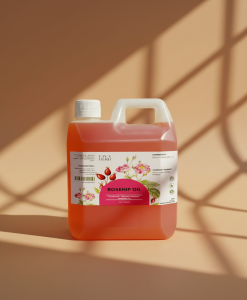
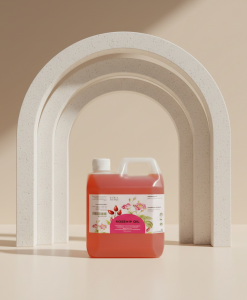
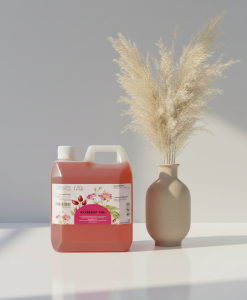

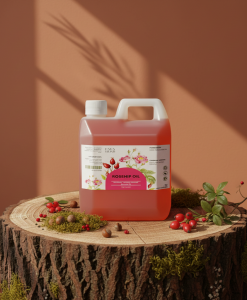

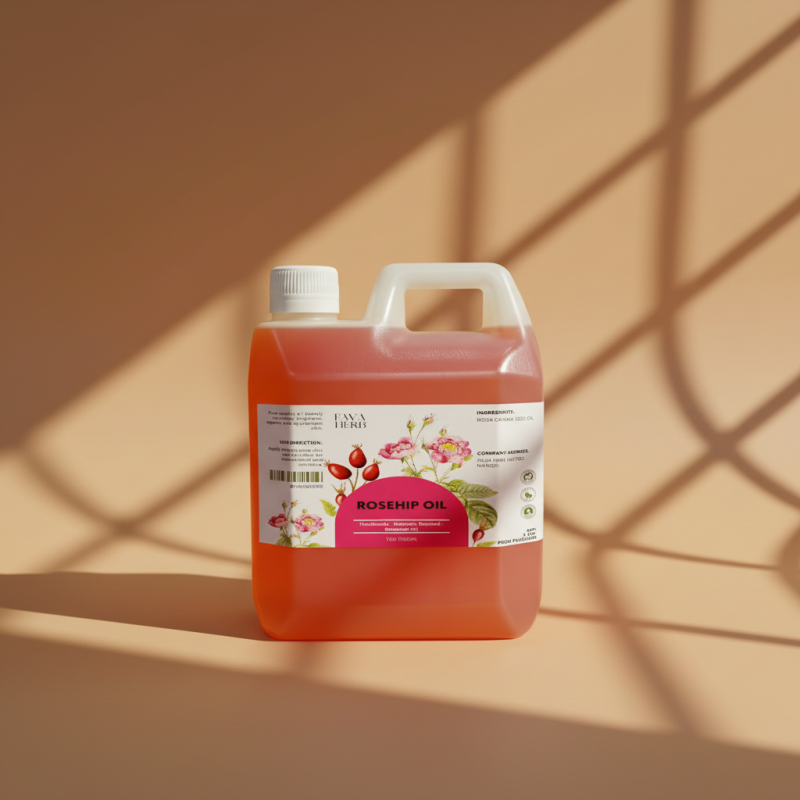

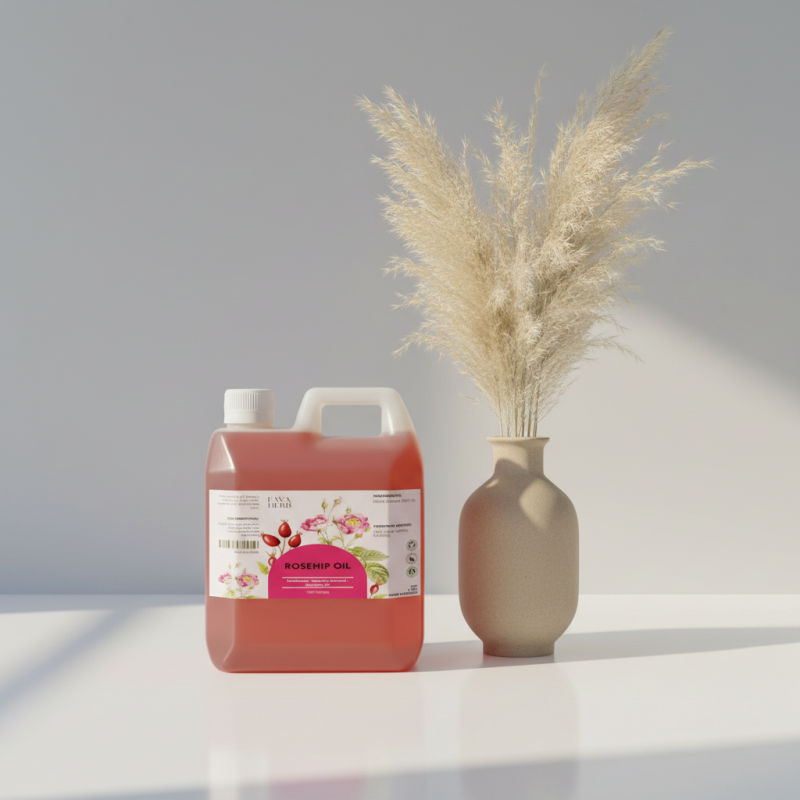
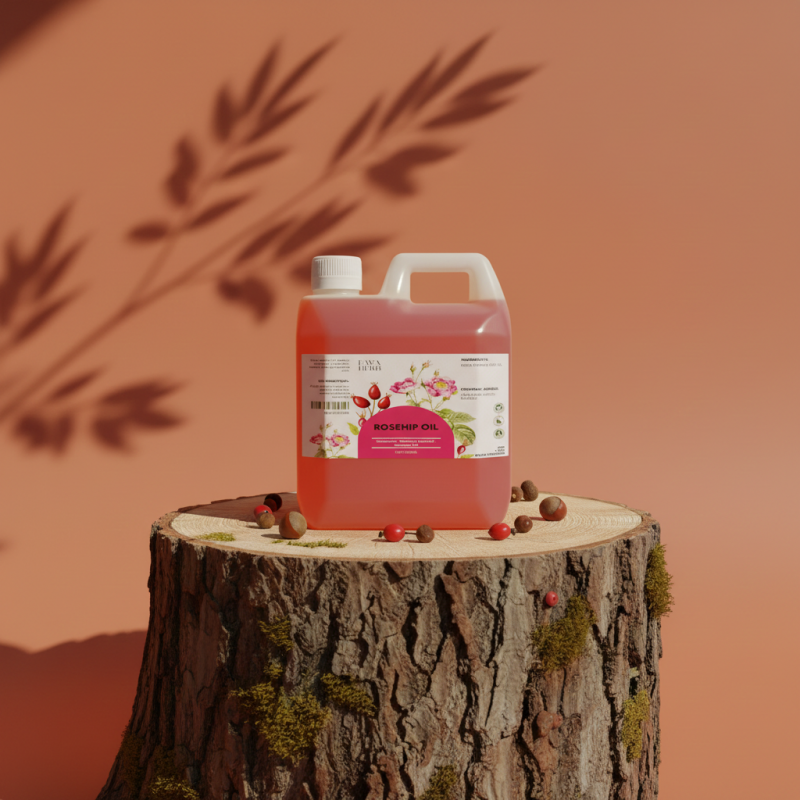
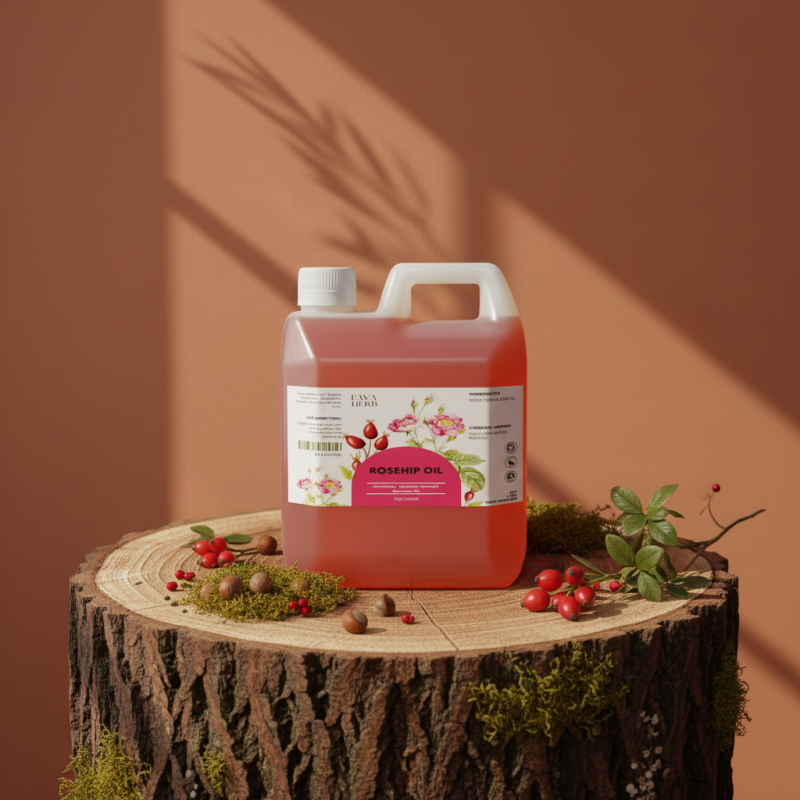

Fava Herb Pure Rosehip Carrier Oil – 1 Litre | Cold-Pressed, Unrefined & 100% Natural for Face, Hair & Skin
Cold-pressed & unrefined for maximum potency. Naturally rich in Vitamin A, Vitamin C, Omega-3 & Omega-6 fatty acids. Deeply nourishes, repairs, and brightens skin while reducing scars, fine lines, and hyperpigmentation. A professional-grade, 100% natural carrier oil ideal for facial serums, hair treatments, massage blends, and cosmetic formulation. Vegan · Cruelty-Free · No Additives · Bulk Value.
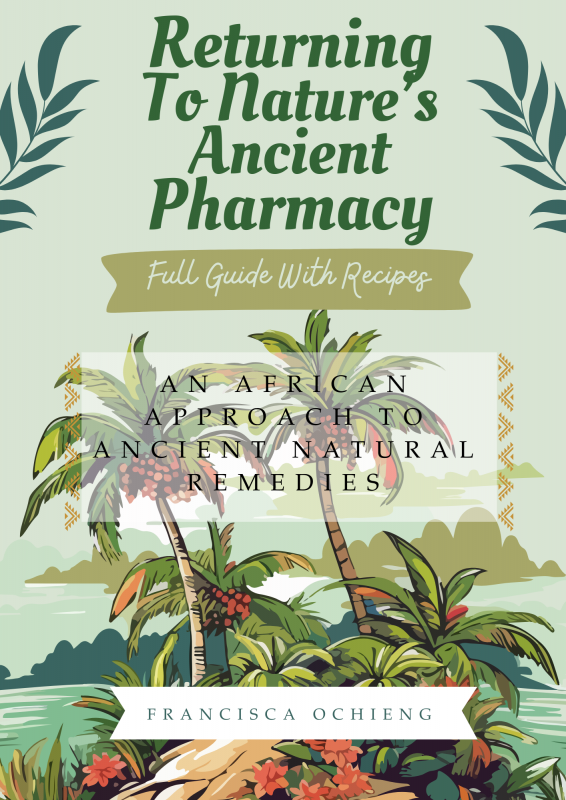
Book: Returning To Nature’s Ancient Pharmacy -An African Approach To Natural Remedies
What You’ll Discover:
- Daily Herbal Remedies backed by Scripture and tradition
- Natural healing foods like raw honey, fermented drinks, and superfruits
- Uses of animal fats like tallow, ghee, and bone broth
- African healing plants like hibiscus, tamarind, and baobab
- Teas and Adaptogens for stress, energy, and hormone balance
- Spiritual insights on God’s design for healing and wellness
- Practical recipes, homemade remedies, and devotional reflection

