
Healthy Life
Benefits of: Rose Petals, Rosewater, Rosehip Tea & Rose Essential Oil

Oct
Rose Petals, Rosewater, Rosehip Tea & Rose Essential Oil
Four remarkable products from a single extraordinary flower — each harvested from a different part of the plant at a different moment in its life cycle.
The rose is one of the oldest cultivated plants on earth. For at least five thousand years, it has been pressed for oil, distilled for fragrance, brewed as tea, and applied to skin across cultures from Persia to the Levant, from the Balkans to the Himalayas. What makes the rose unusual in the botanical world is the range of products it yields: its petals, its distilled water, the oil extracted from those petals, and the fruit it produces after flowering are each genuinely distinct in composition, application, and benefit.
This guide explains all four — clearly, accurately, and in enough scientific depth to be genuinely useful. We cover what each product is, how it is made, what its active compounds do in the body and on skin, how to use it safely, and what the research says.
Four Forms of One Flower
Each product comes from a distinct part of the plant or a different stage of processing. None is a substitute for another.
The Rose Varieties Behind the Products
Not all roses are created equal in terms of the products they yield. The botanical world distinguishes between rose varieties primarily on the basis of their aromatic compound profile, the size and flesh content of their fruit, and the concentration of secondary metabolites in their petals. Understanding which species produces which product helps clarify why quality varies so substantially between suppliers.
Rosa damascena — the Damask rose — is the most important species in the world of rose distillation. Cultivated commercially in the Rose Valley of Bulgaria, the Isparta region of Turkey, and in parts of Iran and Morocco, it produces petals with an exceptionally high concentration of aromatic compounds, particularly geraniol, citronellol, and nerol. It is the primary source of commercial rosewater and rose otto essential oil. Its petals, dried after harvest, are also used as culinary rose petals and for rose petal tea.
Rosa centifolia — the Cabbage rose or Provence rose — is grown primarily in Grasse, France, and is the basis for rose absolute, a solvent-extracted aromatic product distinct from steam-distilled rose otto. It is used more commonly in high-end perfumery than in food or wellness products.
Rosa canina — the Dog rose — is the primary species cultivated for its rosehips. A wild-growing rose native to Europe, northwest Africa, and parts of Asia, it produces relatively simple, single-layer flowers but yields fruit that is substantially larger and more vitamin-dense than the ornamental varieties. The rosehips used for tea are almost always sourced from Rosa canina or closely related wild species. Kenya, notably, has an emerging rosehip cultivation sector alongside its established cut flower industry.
The petals and the rosehip are sequential products of the same flowering event. The plant flowers, the petals are harvested for distillation or drying, and after pollination the base of the flower swells into the rosehip. Petals and hips are therefore produced from the same plant in two separate seasonal windows.
Rose Petals
Dried petals • Tea • Skincare • Culinary
Dried rose petals are the most accessible and versatile of the four products. They are sold loose for brewing as a floral tea, incorporated into skincare formulations, used in culinary preparations ranging from jams to confectionery, and added to bath blends. Despite their relative affordability compared to essential oil, dried rose petals retain a meaningful complement of the bioactive compounds present in the fresh flower.
Active Compounds in Dried Rose Petals
The principal bioactive constituents of dried rose petals include polyphenolic flavonoids, particularly quercetin and kaempferol, both of which demonstrate antioxidant and mild anti-inflammatory activity in laboratory models. Anthocyanins, the pigment compounds responsible for the petals’ pink and red coloration, are present in measurable quantities and have been studied for their antioxidant capacity. Rose petals also contain gallic acid, a phenolic compound with antimicrobial and antioxidant properties, and smaller quantities of volatile aromatic compounds including geraniol, citronellol, and linalool that survive low-temperature drying.
Rose Petal Tea: Benefits and Preparation
Rose petal tea is brewed by steeping dried petals in water at approximately 90°C for five to seven minutes. The resulting infusion is naturally caffeine-free, pale pink in colour (deepening with longer infusion), and carries a delicate floral aroma with a mildly astringent finish from the tannin content.
The documented benefits of regular rose petal tea consumption include gentle digestive support through the tannin and pectin content, which may assist with mild gastrointestinal inflammation and motility. There is preliminary evidence that the polyphenol content of rose petal infusions contributes to antioxidant status when consumed regularly. Rose petal tea has also been used traditionally as a mild nervine — a calming preparation for anxiety and restlessness — an application supported by linalool’s known interaction with GABA-ergic pathways. Women’s wellness practitioners have used rose petal tea for its gentle antispasmodic properties in the context of menstrual discomfort.
- Brew as a standalone herbal tea: 1 tablespoon of dried petals per 200 ml of 90°C water, steep 5–7 minutes
- Blend with green or white tea for a floral lift with additional antioxidant content
- Add to bathwater for a relaxing, aromatic soak with mild anti-inflammatory skin benefit
- Incorporate into facial steam treatments for pore-cleansing and skin softening
- Use in culinary preparations: syrups, jams, confectionery, garnishes
Rosewater
Rose hydrosol • Toner • Facial mist • Calming compress
Rosewater — properly termed rose hydrosol in technical contexts — is the water-soluble fraction produced during the steam distillation of rose petals. It is neither a diluted essential oil nor a simple floral extract. It is a genuine by-product of the distillation process, containing water-soluble aromatic molecules that the steam carries through the petals and deposits in the condensate. This gives it a chemical profile distinct from both the petals themselves and the concentrated essential oil.
Genuine distilled rosewater has a measurable pH of approximately 4.0–5.5, slightly acidic, which aligns well with the natural pH of healthy human skin. This mild acidity contributes to its effectiveness as a toner: it helps support the skin’s acid mantle, the invisible acidic film that protects against environmental pathogens and maintains moisture balance.
Skin Benefits of Rosewater
The primary aromatic compounds retained in genuine rosewater — including geraniol, citronellol, phenylethyl alcohol, and trace nerol — exhibit documented anti-inflammatory and antimicrobial activity in dermatological research. Phenylethyl alcohol in particular has been studied for its ability to inhibit biofilm formation by skin-surface bacteria, which is relevant to acne-prone skin. The compound geraniol has demonstrated antifungal properties and moderate antioxidant capacity in in vitro models.
Clinically, rosewater is most consistently documented as an effective anti-irritant for sensitive skin. A 2010 study in the International Journal of Pharmaceutical Sciences confirmed statistically significant anti-inflammatory effects of Rosa damascena extract on human skin, consistent with traditional dermatological use across the Middle East, South Asia, and the Mediterranean world.
- Apply as a facial toner after cleansing with a cotton pad or patted directly onto skin
- Use as a refreshing facial mist throughout the day to maintain hydration and calm redness
- Apply as a compress on the eye area to reduce puffiness and soothe mild eye fatigue
- Use in DIY skincare formulations as the water phase in creams and lotions
- Add to bathwater or linen spray for aromatic and calming benefit
- Use in culinary contexts: Middle Eastern sweets, rice dishes, and sherbets traditionally call for rosewater
Products labelled “rose water” in mass-market retail are often made from synthetic rose fragrance diluted in water. These contain none of the bioactive compounds described above. Genuine rosewater is produced by steam distillation, has a natural pH around 4.5–5.0, and carries a subtle, complex aroma that dissipates partially when left open. If a “rosewater” product smells intensely of synthetic rose perfume and lasts indefinitely, it is not a genuine hydrosol.
How Rosewater and Rose Essential Oil Are Made — From the Same Process
One of the most commonly misunderstood relationships in natural skincare is the connection between rosewater and rose essential oil. They are not produced by separate methods. They are the two outputs of a single steam distillation run, separated by the basic difference in the density and solubility of their respective molecules.
Input: Fresh Rose Petals
Harvested pre-dawn when aromatic compound concentration peaks. 3–5 metric tonnes of petals yield approximately 1 kg of essential oil.
Process: Steam Passes Through the Petals
Live steam or water vapour carries both water-soluble and oil-soluble aromatic molecules from the petals. The steam then passes through a condenser.
Rose Essential Oil
Oil molecules float on top. Separated and collected as rose otto or rose absolute.
Rosewater
Water-soluble molecules remain in the water fraction below the oil. This is the hydrosol.
Both products therefore share some aromatic molecules, but they differ substantially in concentration and in the classes of compound they carry. The essential oil concentrates the lipophilic (fat-soluble) terpenoid alcohols — geraniol, citronellol, nerol — at extremely high levels. The rosewater retains only those molecules that also have water solubility, predominantly phenylethyl alcohol, which is unusual among aromatic alcohols in being highly water-soluble and is therefore more abundant in rosewater than in the oil itself.
Rose Essential Oil
Rosa damascena otto • Aromatherapy • Skincare • Perfumery
Rose essential oil — technically referred to as rose otto when steam-distilled, and rose absolute when solvent-extracted — is among the most costly aromatic substances on earth. Its price is a direct function of extraction economics: it requires between three and five metric tonnes of hand-harvested petals, picked in the early morning hours before the sun causes volatile compound loss, to produce a single kilogram of oil. The harvest window is narrow — typically a four-to-six week period in May and June — and the work cannot be mechanised without compromising yield quality.
Key Aromatic Compounds
The chemical composition of Rosa damascena otto is complex, with over 300 identified constituents. The dominant compounds are citronellol (18–35%), geraniol (10–22%), nerol (5–10%), and phenylethyl alcohol (1–3% in otto, higher in absolute). Minor but significant compounds include eugenol, methyl eugenol, farnesol, and the waxy nonadecane and heneicosane compounds responsible for the oil’s tendency to solidify at room temperature — a hallmark of genuine rose otto.
The primary aromatic constituents have distinct pharmacological profiles: citronellol and geraniol demonstrate insect-repellent activity, antifungal properties, and anti-inflammatory effects mediated through prostaglandin pathways. Geraniol has been studied in cancer research contexts for its ability to inhibit tumour cell proliferation in vitro, though this does not constitute a clinical anti-cancer claim. Phenylethyl alcohol exhibits mood-elevating effects in aromatherapy research, consistent with its traditional use as a calming and aphrodisiac scent.
Benefits of Rose Essential Oil
In dermatology and skincare formulation, rose essential oil at a recommended dilution of 0.5–1% in a carrier oil supports the following outcomes, as documented in peer-reviewed literature: reduction in transepidermal water loss (TEWL), mild anti-inflammatory effect on reactive or rosacea-prone skin, antimicrobial activity relevant to acne management, and moderate antioxidant protection against UV-induced free radical damage. Its astringent properties also contribute to a skin-tightening effect with regular topical use.
In aromatherapy, clinical studies have demonstrated statistically significant reductions in cortisol levels and systolic blood pressure following inhalation of rose otto compared to control groups, suggesting a genuine anxiolytic mechanism rather than placebo effect alone. A 2009 study published in Complementary Medicine Research found measurable effects on the autonomic nervous system in subjects exposed to rose otto inhalation.
- Dilute at 0.5–1% in a carrier oil (jojoba, argan, or rosehip) for facial application
- Add 2–3 drops to a diffuser for anxiety reduction and mood support
- Incorporate into luxury skincare formulations at the recommended IFRA usage level
- Add to a carrier oil for relaxation massage at 1–2% dilution
- Use in homemade perfumery as a premium floral heart note
Genuine Rosa damascena otto solidifies below approximately 18–22°C, forming a semi-solid or wax-like substance at room temperature in cooler climates. This is caused by the natural wax compounds (nonadecane, heneicosane) in authentic oil. If a product sold as rose otto remains fully liquid at 15°C, it has likely been adulterated with synthetic carriers or is not genuine distilled rose otto.
Rosehip Tea
Rosa canina fruit • Vitamin C • Anti-inflammatory • Immune support
Rosehip tea occupies a different nutritional category from the three petal-derived products above. It is brewed not from the flower but from the fruit — the small, round, red or orange hips that form on the rose plant after the petals fall and the plant completes pollination. Rosehips are one of the most nutrient-dense fruits in the plant kingdom relative to their size, and their primary distinction is an extraordinary concentration of vitamin C.
Vitamin C Content: A Comparison
Fresh Rosa canina hips have been recorded at 400–800 mg of ascorbic acid per 100 g of fresh weight in peer-reviewed analyses — a figure that places them significantly ahead of citrus fruit, bell peppers, and almost all other commonly consumed vitamin C sources. Drying and brewing reduce this value through oxidative degradation of ascorbic acid, but rosehip tea brewed from low-temperature-dried hips retains a meaningful portion of its original vitamin C content.
Beyond Vitamin C: Rosehip’s Full Nutritional Profile
Rosehips contain a secondary compound suite that contributes independently to their health reputation. GOPO® (galactolipid compounds) found in Rosa canina have been the subject of randomised controlled trial research for their anti-inflammatory effects in osteoarthritis: a 2008 meta-analysis in Osteoarthritis and Cartilage pooled data from three RCTs and found statistically significant reduction in pain scores and improvement in mobility in osteoarthritis patients taking standardised rosehip powder. The mechanism involves inhibition of chemotactic migration of polymorphonuclear cells and inhibition of several pro-inflammatory cytokines, including TNF-alpha and IL-1beta.
Rosehips are also a source of carotenoids including lycopene and beta-carotene, polyphenolic flavonoids, pectin (a soluble dietary fibre), and modest amounts of vitamins E, K, and B-complex vitamins.
How to Brew Rosehip Tea
Rosehip tea can be brewed from whole dried hips, crushed hips, or cut-and-sifted preparations. Crushing or cutting the hips before brewing substantially increases the surface area available for extraction and improves vitamin C yield. The recommended method is to use water at 90°C rather than a full rolling boil, as excessive heat degrades ascorbic acid rapidly.
- Use 1–2 tablespoons of crushed or cut dried rosehips per 300 ml of 90°C water
- Steep for 10–15 minutes, covered, to minimise oxidative vitamin C loss
- Strain thoroughly to remove the fine inner hairs, which can cause irritation
- Sweeten lightly with honey if desired; avoid refined sugar to preserve the tea’s anti-inflammatory profile
- Consume 1–2 cups daily as a vitamin C supplement and general antioxidant tonic
Phytochemical Compounds Across All Four Products
The following table summarises the key bioactive constituents in each product, their documented mechanisms, and the primary application context.
| Compound | Found In | Mechanism / Action | Primary Application |
|---|---|---|---|
| Citronellol | Essential oil, rosewater (trace) | Anti-inflammatory via prostaglandin pathway inhibition; antifungal; insect repellent | Aromatherapy, skincare formulation |
| Geraniol | Essential oil, rosewater | Antioxidant; antifungal; anti-proliferative in in vitro cancer models; antibacterial | Aromatherapy, formulation, insect repellency |
| Phenylethyl alcohol | Rosewater (dominant), essential oil | Antimicrobial; biofilm inhibitor; GABAergic mood modulation | Skin toning, anxiolytic aromatherapy |
| Nerol | Essential oil | Antibacterial; sedative in CNS models; antifungal | Aromatherapy, formulation |
| Quercetin | Rose petals | Flavonoid antioxidant; COX-1/COX-2 inhibitor; anti-allergic; NF-kB modulation | Tea, anti-inflammatory skin support |
| Kaempferol | Rose petals | Flavonoid antioxidant; anticancer signalling in vitro; anti-inflammatory | Tea consumption |
| Gallic acid | Rose petals, rosehips | Potent antioxidant; antimicrobial; antiviral; apoptosis modulation in tumour cells | Tea, topical application |
| Ascorbic acid (Vitamin C) | Rosehips (primary) | Collagen biosynthesis cofactor; antioxidant; immune modulator; iron absorption enhancer | Tea, immune support, skin brightening |
| GOPO galactolipids | Rosehips | Inhibition of PMN chemotaxis; reduction of TNF-alpha and IL-1beta; anti-osteoarthritic | Anti-inflammatory supplementation |
| Lycopene / beta-carotene | Rosehips | Carotenoid antioxidants; photoprotective; pro-vitamin A activity (beta-carotene) | Tea, immune and skin health |
| Linalool | Rose petals (trace), essential oil (minor) | GABA-A receptor agonism (anxiolytic); anti-inflammatory; sedative | Aromatherapy, calming preparations |
| Farnesol | Essential oil | Antibacterial against Staphylococcus aureus; antifungal; sesquiterpene antioxidant | Skin formulation |
Shop Premium Rose Products at Fava Herb
Authentically sourced dried rose petals, steam-distilled rosewater, genuine rose essential oil, and whole-fruit rosehip tea — independently verified for purity and concentration.
Explore the Rose CollectionSafety, Contraindications, and Dosage Notes
All four rose products have strong historical safety records and are widely used across food, cosmetic, and therapeutic contexts. Nevertheless, specific groups and situations require attention.
Important Safety Considerations
- Rose essential oil — always dilute: Never apply undiluted to skin. Maximum safe dilution for facial use is 0.5–1% in carrier oil; for body, 1–2%. Sensitisation risk increases with overuse of undiluted oil.
- Pregnancy — essential oil caution: Rose otto has historically been classified as a uterine tonic and should be avoided in aromatherapy massage and inhalation during the first trimester. Culinary rosewater and moderate rose petal or rosehip tea are generally considered safe. Seek medical advice before using any therapeutic-dose rose product during pregnancy.
- Rosehip tea — high vitamin C: While safe for most adults at 1–2 cups per day, very high intake of rosehip supplements (not tea) may cause gastrointestinal discomfort, loose stools, or kidney stone formation in predisposed individuals due to the oxalic acid content. Therapeutic-dose supplementation should be supervised in patients with kidney conditions.
- Genuine rosewater vs. synthetic products: Only steam-distilled rosewater (hydrosol) provides the documented skin benefits. Synthetic “rose fragrance waters” may cause sensitisation and do not offer the same therapeutic properties.
- Anticoagulant medications: High-dose rosehip supplementation may have mild antiplatelet effects. Patients on anticoagulant therapy (warfarin, aspirin, heparin) should consult their physician before using rosehip supplements at therapeutic doses, though moderate tea consumption is unlikely to present a clinical concern.
- Patch test for topical products: Although genuine rosewater is exceptionally well-tolerated, individuals with known fragrance allergies should patch-test before full facial use. Rose essential oil at any concentration should always be patch-tested 24 hours before use.
Frequently Asked Questions
Four Products. One Extraordinary Flower.
From fragrant petals and gentle rosewater to precious essential oil and vitamin-rich rosehip tea — each product tells a different chapter of the same botanical story.
Shop the Full Rose RangeBrowse the Fava Herb Collection
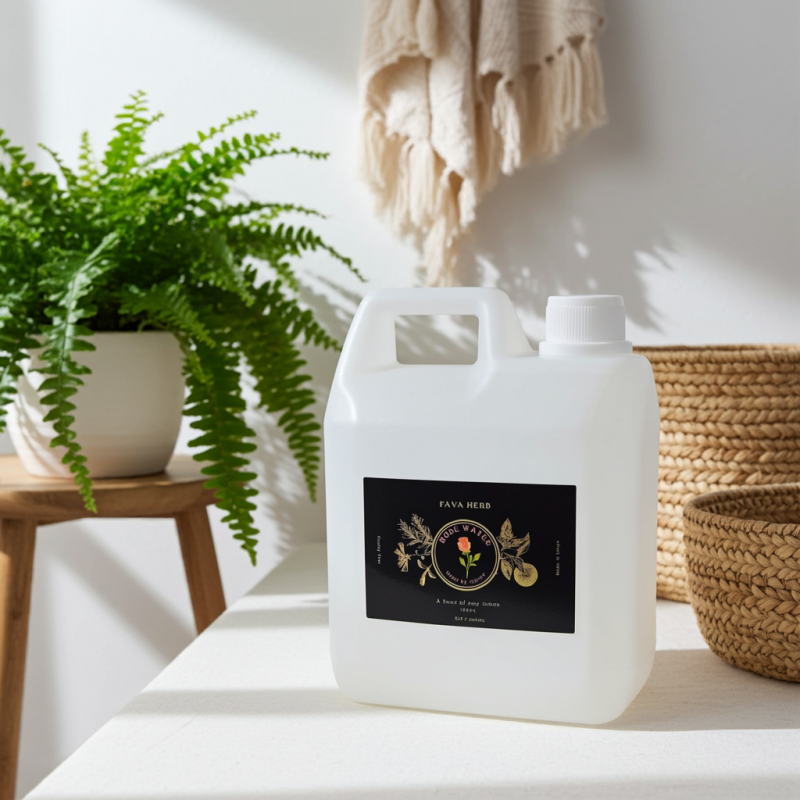
Rose Water Pure 1L
Rose Water: Benefits and Uses. Soothes skin irritation. Soothes sore throats. Reduces skin redness. Helps prevent and treats infections. Contains antioxidants. Heals cuts, scars, and burns. Enhances mood. Relieves headaches.
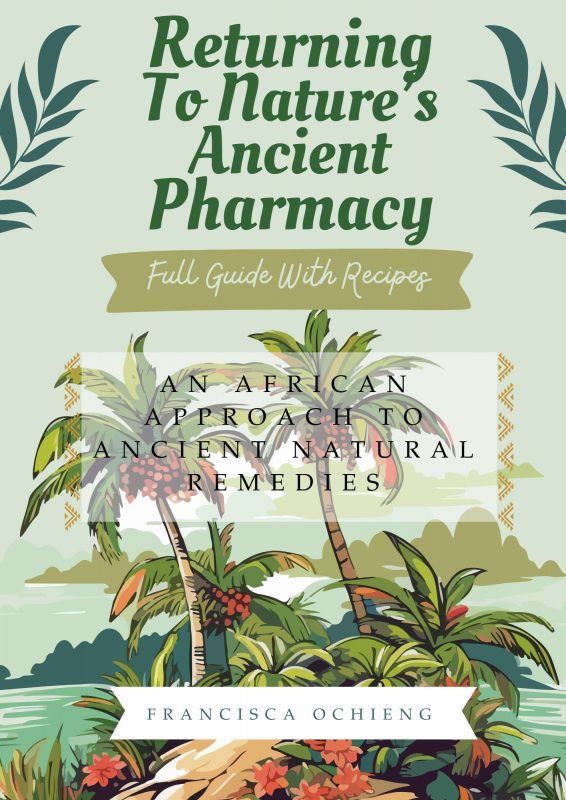
Book: Returning To Nature’s Ancient Pharmacy -An African Approach To Natural Remedies
What You’ll Discover:
- Daily Herbal Remedies backed by Scripture and tradition
- Natural healing foods like raw honey, fermented drinks, and superfruits
- Uses of animal fats like tallow, ghee, and bone broth
- African healing plants like hibiscus, tamarind, and baobab
- Teas and Adaptogens for stress, energy, and hormone balance
- Spiritual insights on God’s design for healing and wellness
- Practical recipes, homemade remedies, and devotional reflection

