
20
Oct
Oct
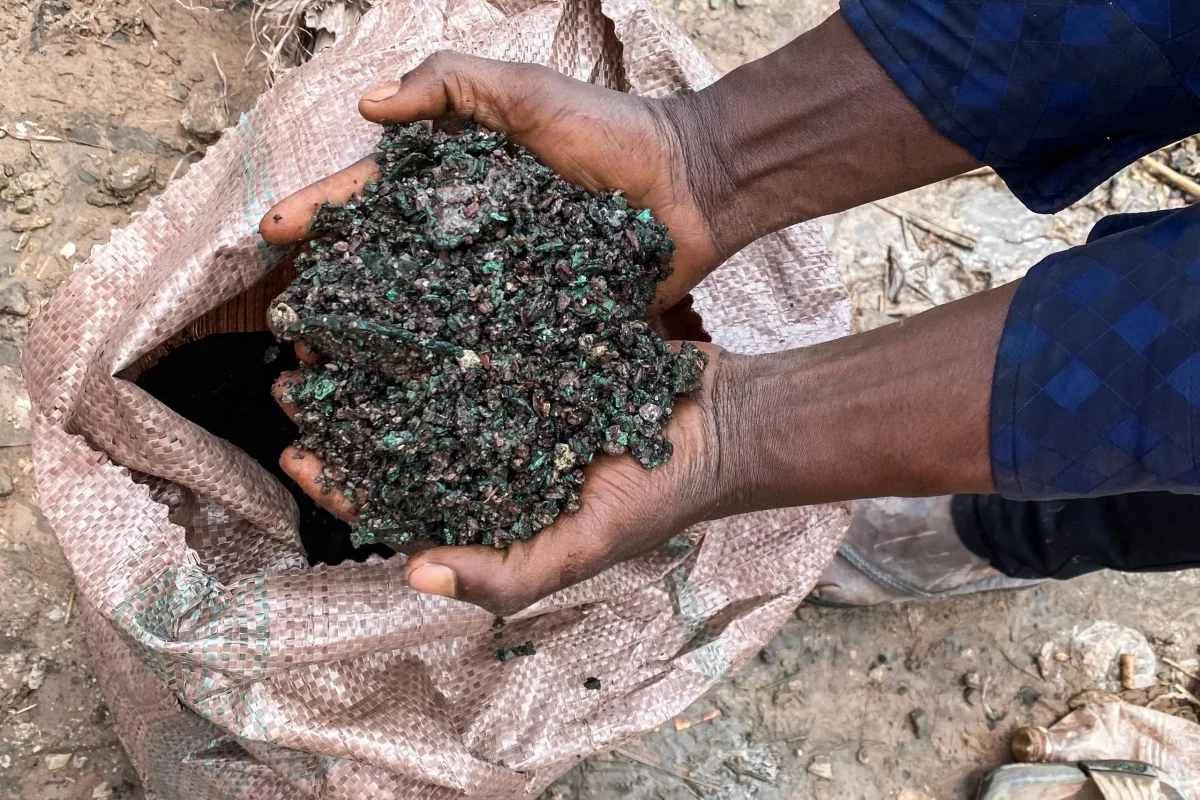
Cobalt is not the only Africa-dominated battery-adjacent mineral where a producing government has decided raw export is a bad trade.

Cobalt is not the only Africa-dominated battery-adjacent mineral where a producing government has decided raw export is a bad trade.
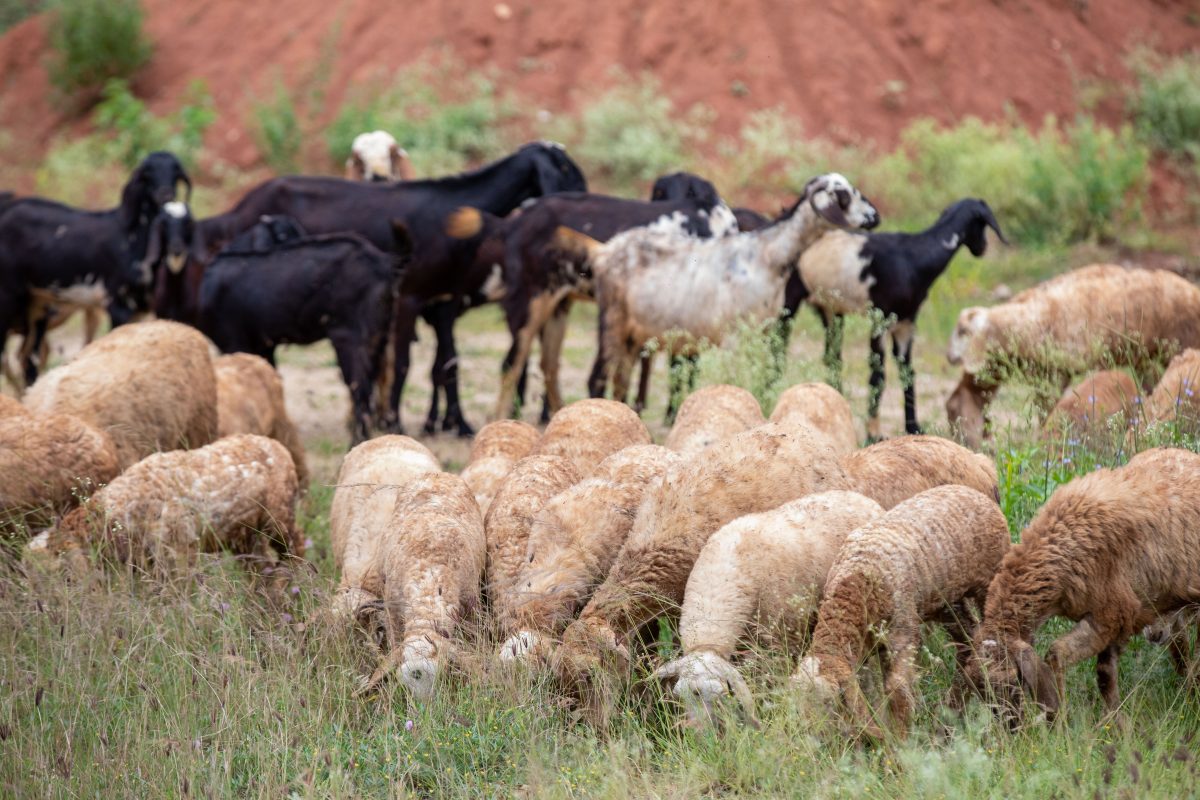
Nearly 3.5 million sheep and goats leave Somaliland’s port of Berbera each year, most of them within weeks of the Hajj. It is one of the Horn of Africa’s largest formal livestock export flows — and one of its least equitable, capturing most of its value long after it leaves the herder’s hands.
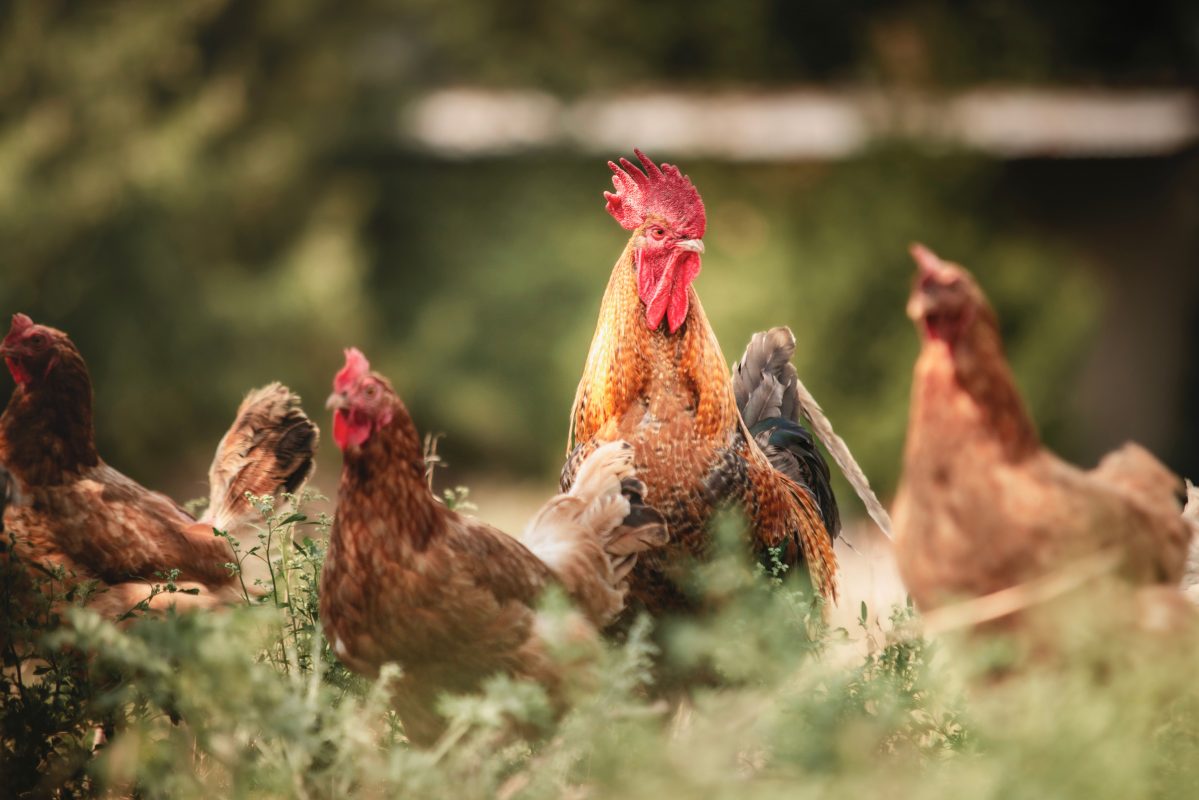
Kenya’s poultry sector looks, on paper, like one of the region’s more modern livestock industries — organised integrators, branded day-old chicks, commercial feed mills. In practice, it is one of the most financially fragile: a single input line, feed, determines whether an entire production cycle turns a profit, and the sector’s biggest competitive threats come not from disease or drought but from trade policy on two fronts at once.
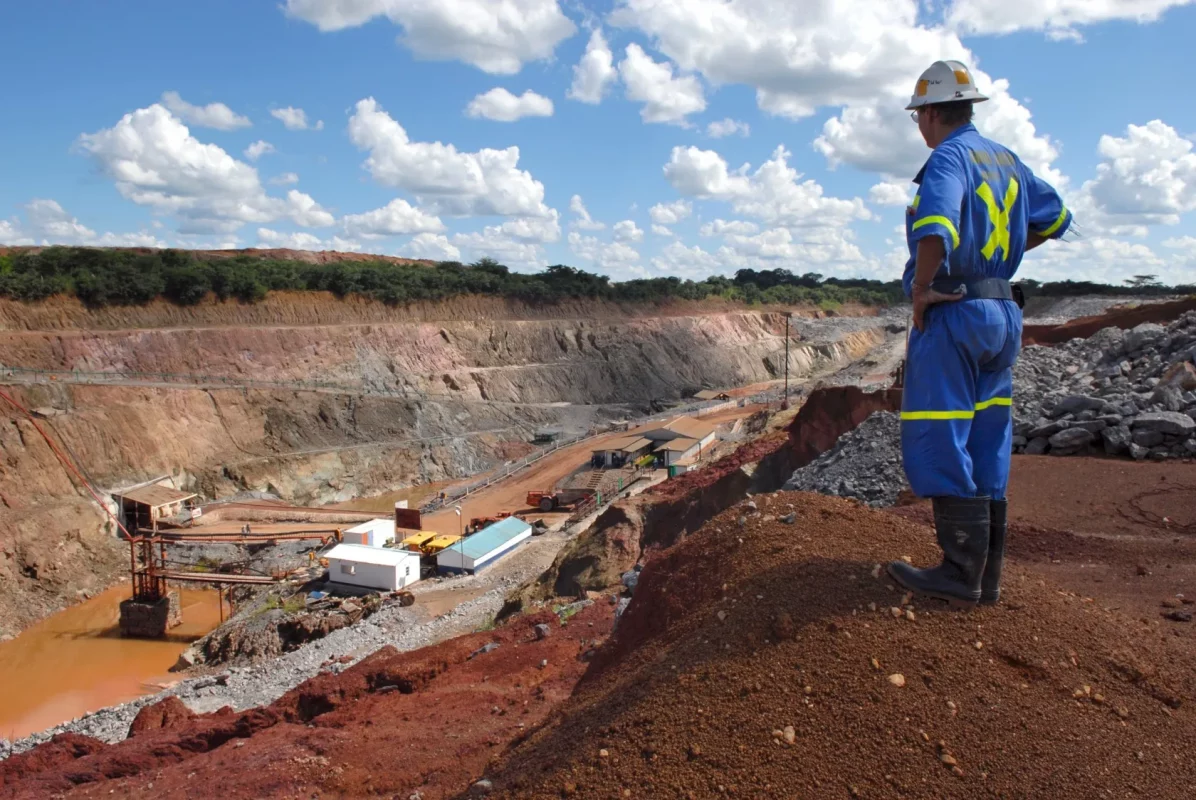
The Metal Under Everything: Copper, the AI Supercycle, and Uganda’s Copperbelt Comeback | Fava Herb Metals & Mining Report Fava Herb Commodities Intelligence Nairobi · October 2026 Metals & Mining Report — Issue IV of VII — Copper The Metal Under Everything Every AI data centre, every EV, every grid upgrade on Earth needs it, […]

Africa supplies more than 60% of the sesame seed traded on global markets — yet it earns below the premium ceiling that certified and traceable origin commands. With China absorbing 39% of global imports, Red Sea rerouting adding $40–70 per tonne to Asian buyers’ landed costs, and digital traceability platforms beginning to close the quality gap, the 2026 sesame market is a pivot point. Whether East Africa captures the margin depends on decisions being made now at farm, cooperative, and export policy level.
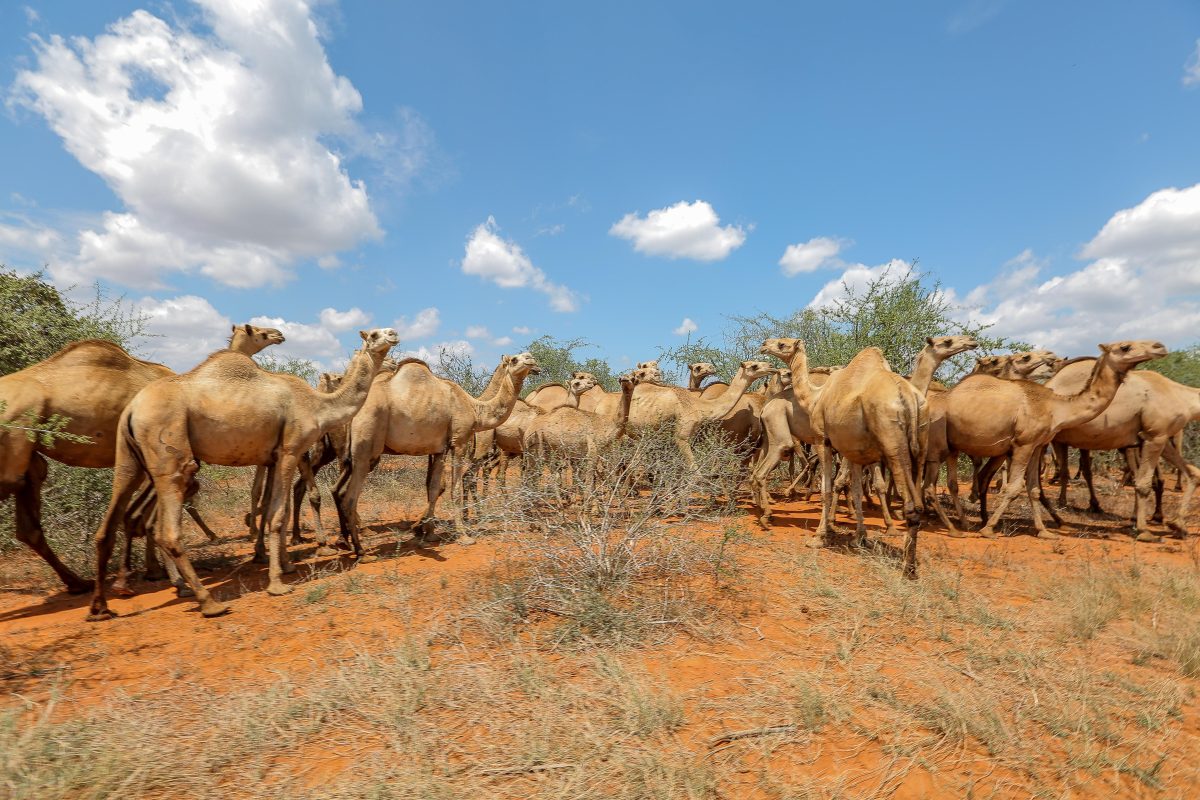
Kenya produces more camel milk than any country on Earth, yet loses half of it before it reaches a buyer. Ethiopia sends camels north to Sudan and Egypt on a corridor where prices have historically outrun every other livestock species. As drought reshapes East African rangelands, the camel economy is where climate adaptation and commodity opportunity meet.
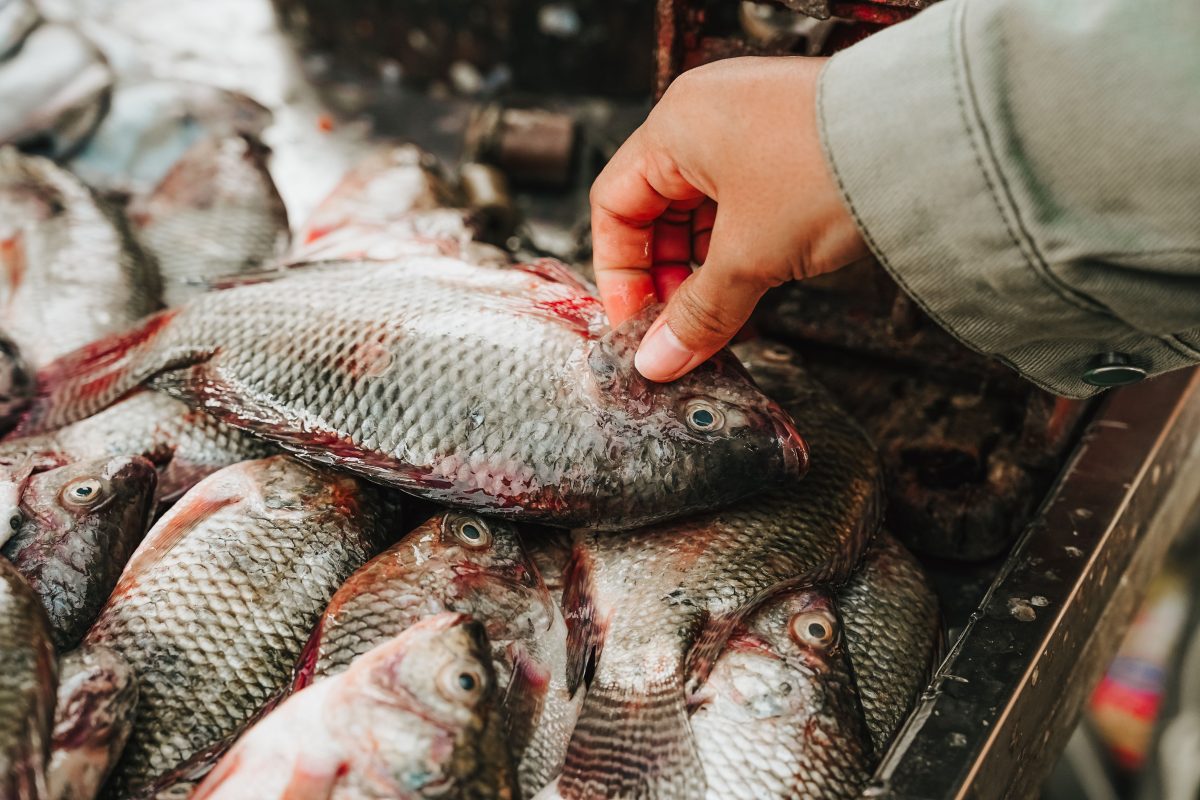
Fava Herb Fish & Aquaculture Report — Issue II: Tilapia | The 173x Cage Boom Fava Herb Fish & Aquaculture Report — Issue II of V Tilapia: The 173x Cage Boom Uganda’s cage aquaculture production grew from 800 tonnes to more than 138,000 tonnes in fifteen years — almost entirely Nile tilapia. Floating cages now […]
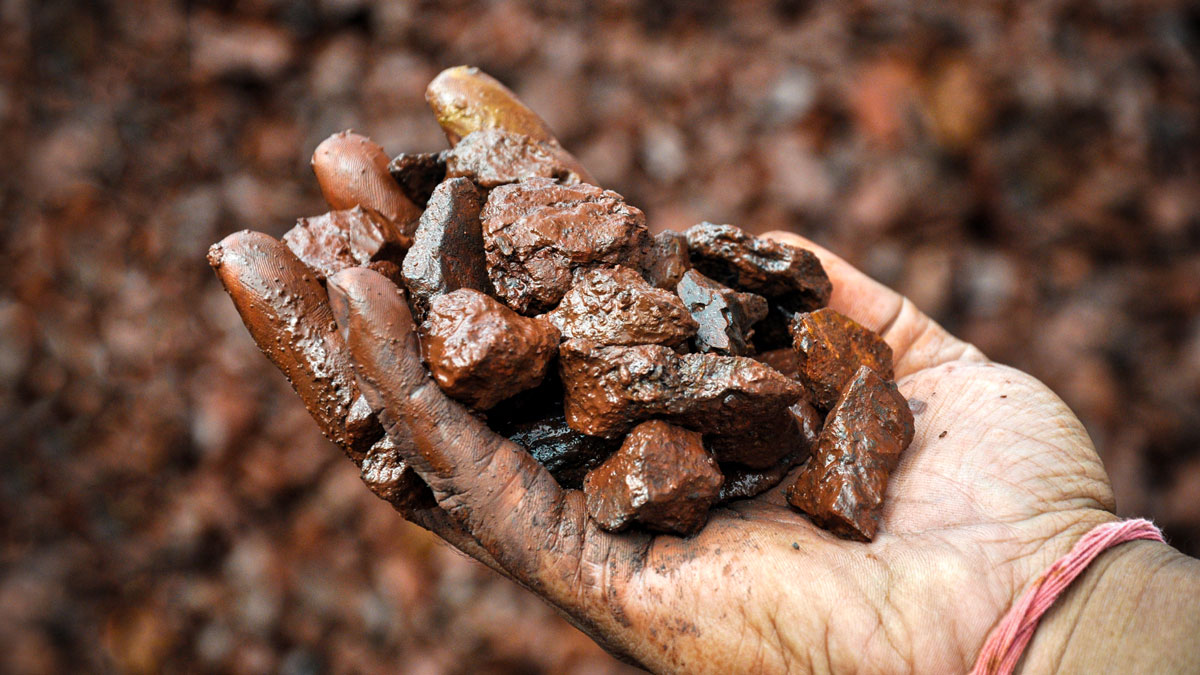
Sitting on Ore, Importing Steel: Nigeria and Uganda’s Iron Paradox | Fava Herb Metals & Mining Report Fava Herb Commodities Intelligence Nairobi · September 2026 Metals & Mining Report — Issue III of VII — Iron Ore Sitting on Ore, Importing Steel Nigeria and Uganda hold billions of tonnes of iron ore between them. Nigeria […]
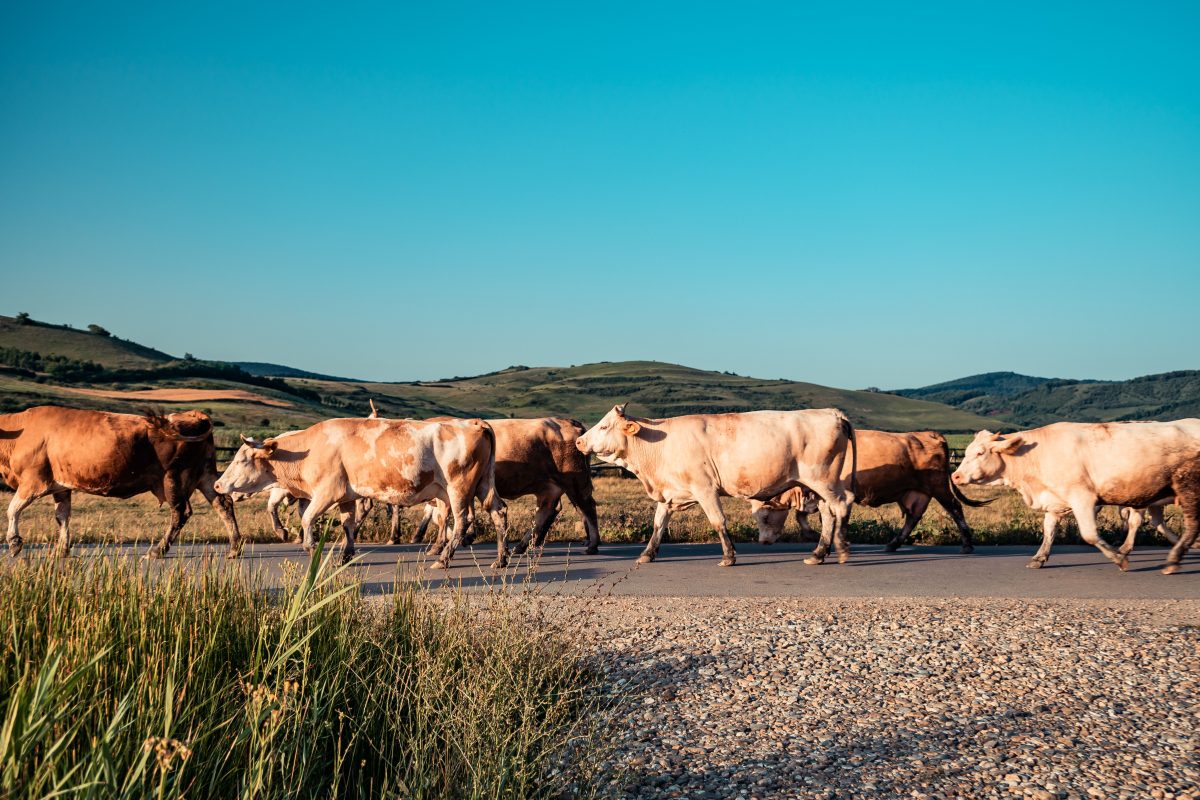
Beef is the single largest earner within Kenya’s livestock economy, contributing an average of 65% of total earnings from livestock and livestock products. Pastoral and agro-pastoral systems — concentrated in the arid and semi-arid lands where roughly 36% of Kenya’s population lives — hold about 70% of the national cattle herd and generate some 76% of the total value of beef production. This is a herd economy built by mobile pastoralists, not feedlots.
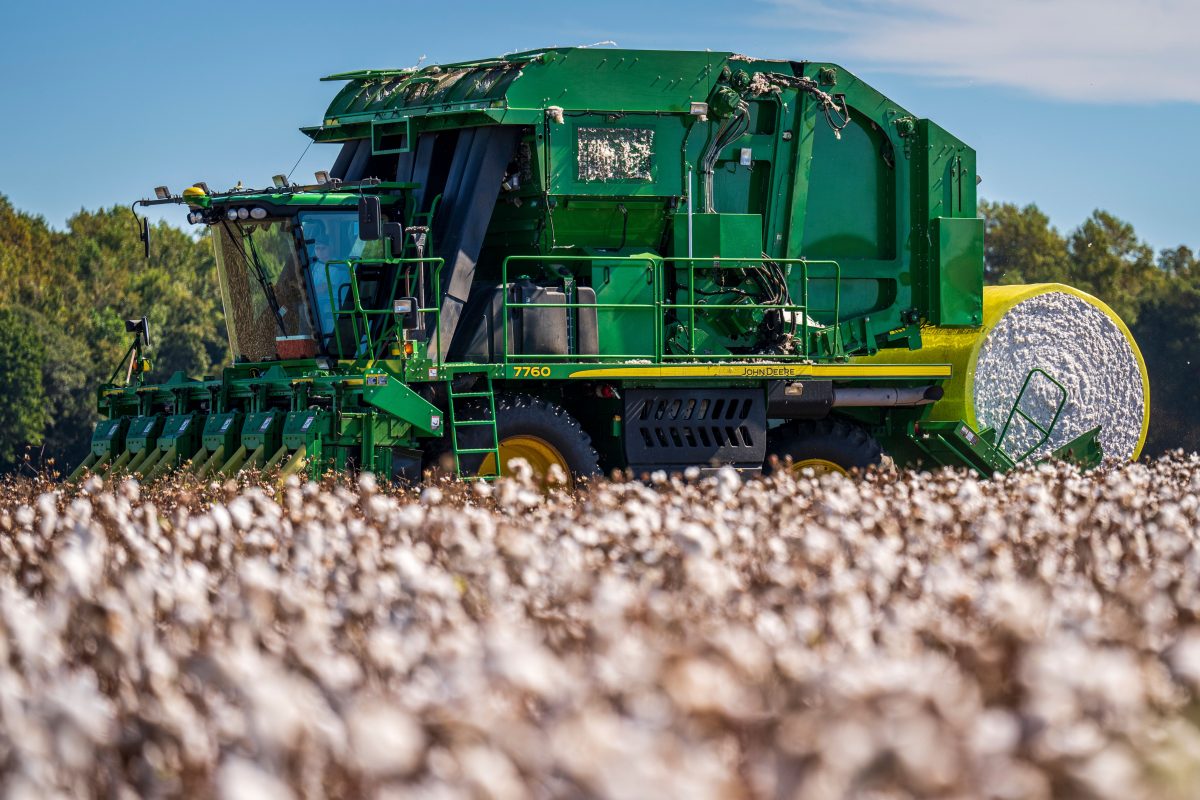
Tanzania’s cotton output has rebounded 48%. Kenya’s GM cotton revolution is scaling. Ethiopia is exporting garments at $420 million a year. The raw production numbers look encouraging — but East Africa still ships predominantly raw lint while Asia and Europe capture the margin at every subsequent stage of the textile supply chain. The recovery is real. The structural problem is older and harder.
