
10
Nov
Nov
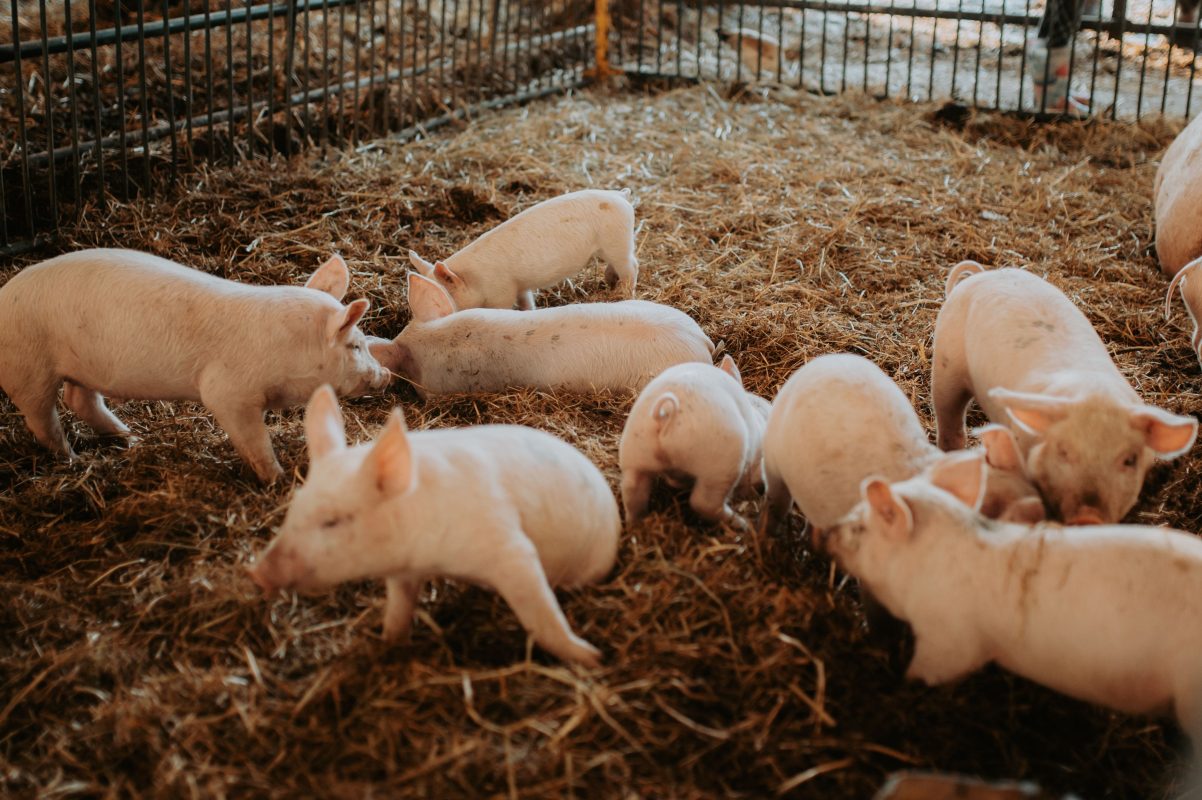
Uganda has built a smallholder, women-led pig economy sixteen times the size of Kenya’s, and Kenya now imports its way around a structural pork deficit.
Uganda has built a smallholder, women-led pig economy sixteen times the size of Kenya’s, and Kenya now imports its way around a structural pork deficit.
Africa supplied 58.4% of global macadamia exports by value in 2024 — $414 million of the most expensive tree nut traded at scale. Kenya, the world’s third-largest producer, commands the highest export unit price among tracked origins at $17.67 per kilogram. The market is growing at 9% annually toward $3 billion by 2031. And China — which held a 3% global supply share in 2016 — now holds more than 20% and is growing at 25% per year. The premium window is real. So is the threat. What Kenya does in the next three years will determine whether it leads or follows the macadamia market’s next chapter.
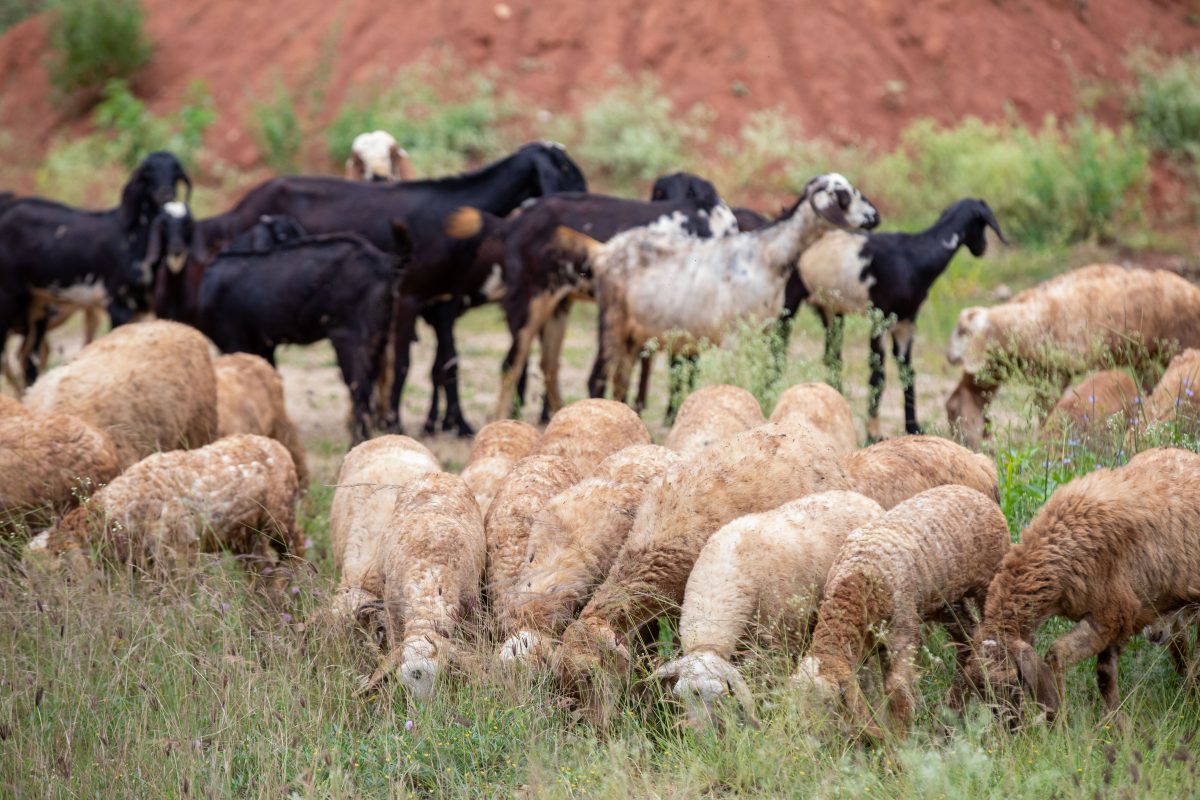
Nearly 3.5 million sheep and goats leave Somaliland’s port of Berbera each year, most of them within weeks of the Hajj. It is one of the Horn of Africa’s largest formal livestock export flows — and one of its least equitable, capturing most of its value long after it leaves the herder’s hands.
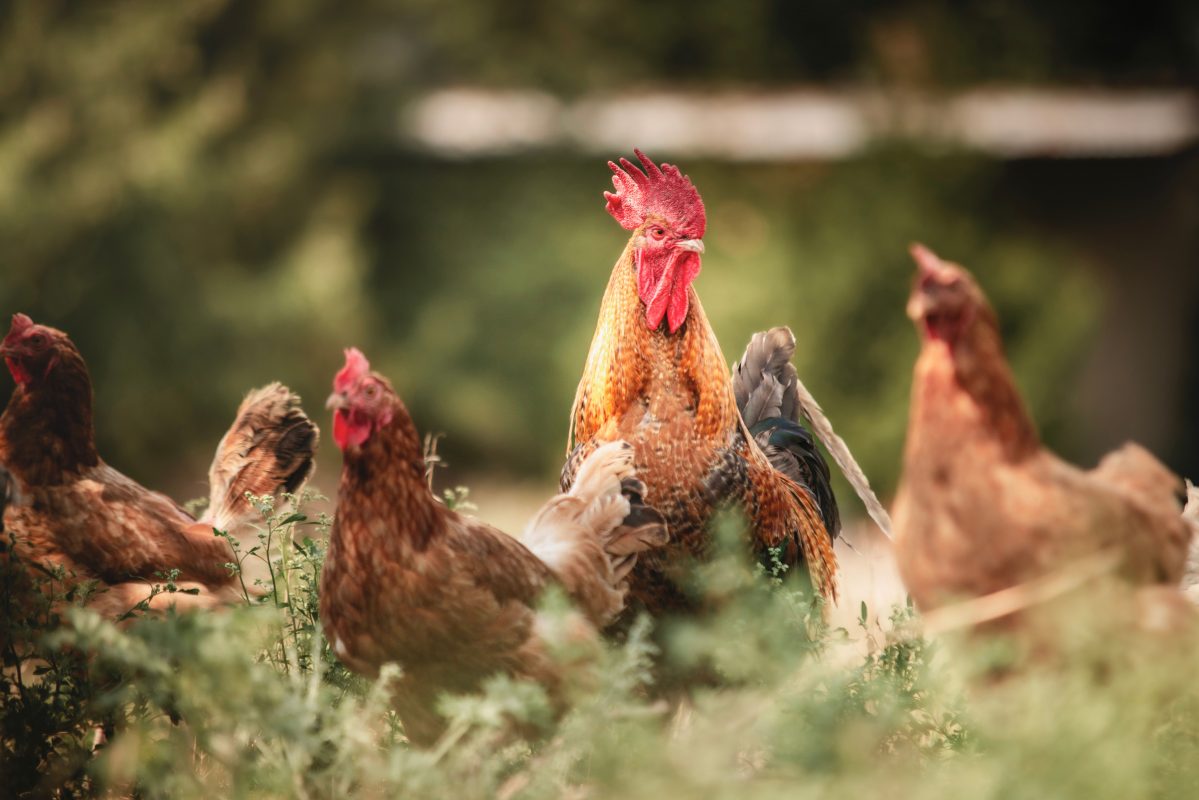
Kenya’s poultry sector looks, on paper, like one of the region’s more modern livestock industries — organised integrators, branded day-old chicks, commercial feed mills. In practice, it is one of the most financially fragile: a single input line, feed, determines whether an entire production cycle turns a profit, and the sector’s biggest competitive threats come not from disease or drought but from trade policy on two fronts at once.
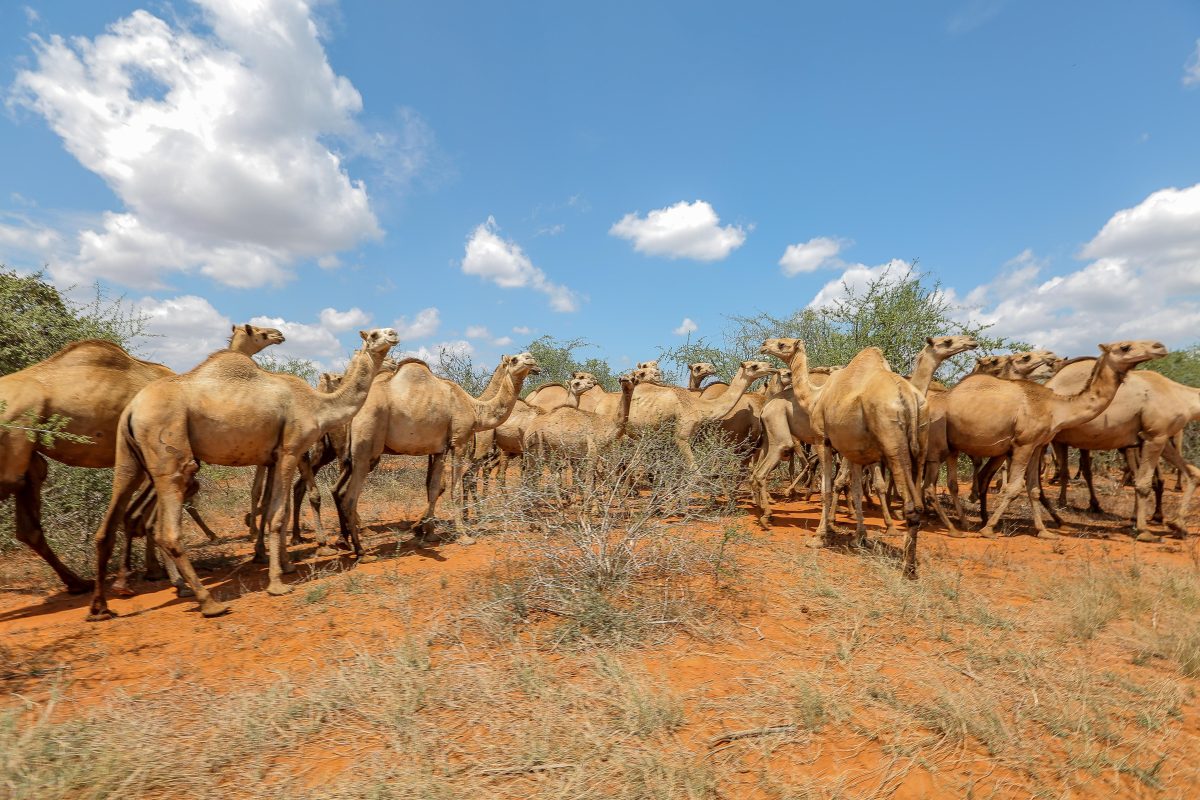
Kenya produces more camel milk than any country on Earth, yet loses half of it before it reaches a buyer. Ethiopia sends camels north to Sudan and Egypt on a corridor where prices have historically outrun every other livestock species. As drought reshapes East African rangelands, the camel economy is where climate adaptation and commodity opportunity meet.
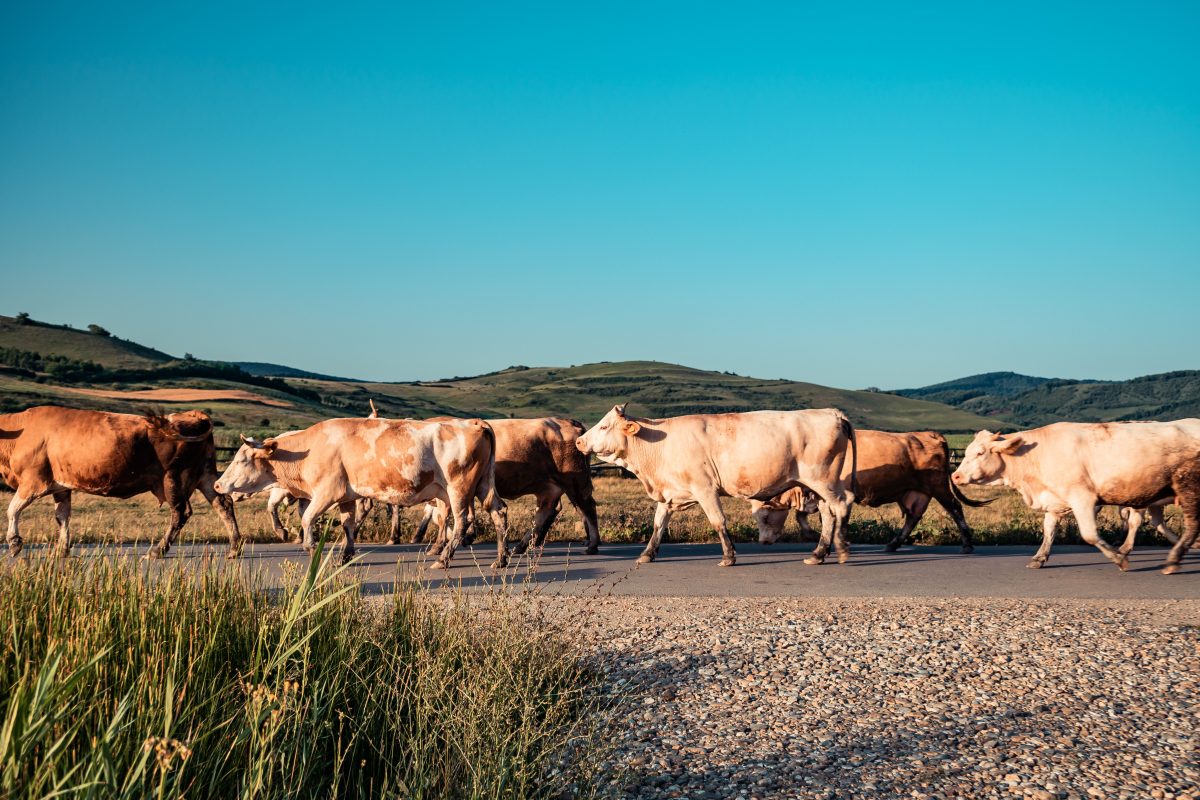
Beef is the single largest earner within Kenya’s livestock economy, contributing an average of 65% of total earnings from livestock and livestock products. Pastoral and agro-pastoral systems — concentrated in the arid and semi-arid lands where roughly 36% of Kenya’s population lives — hold about 70% of the national cattle herd and generate some 76% of the total value of beef production. This is a herd economy built by mobile pastoralists, not feedlots.
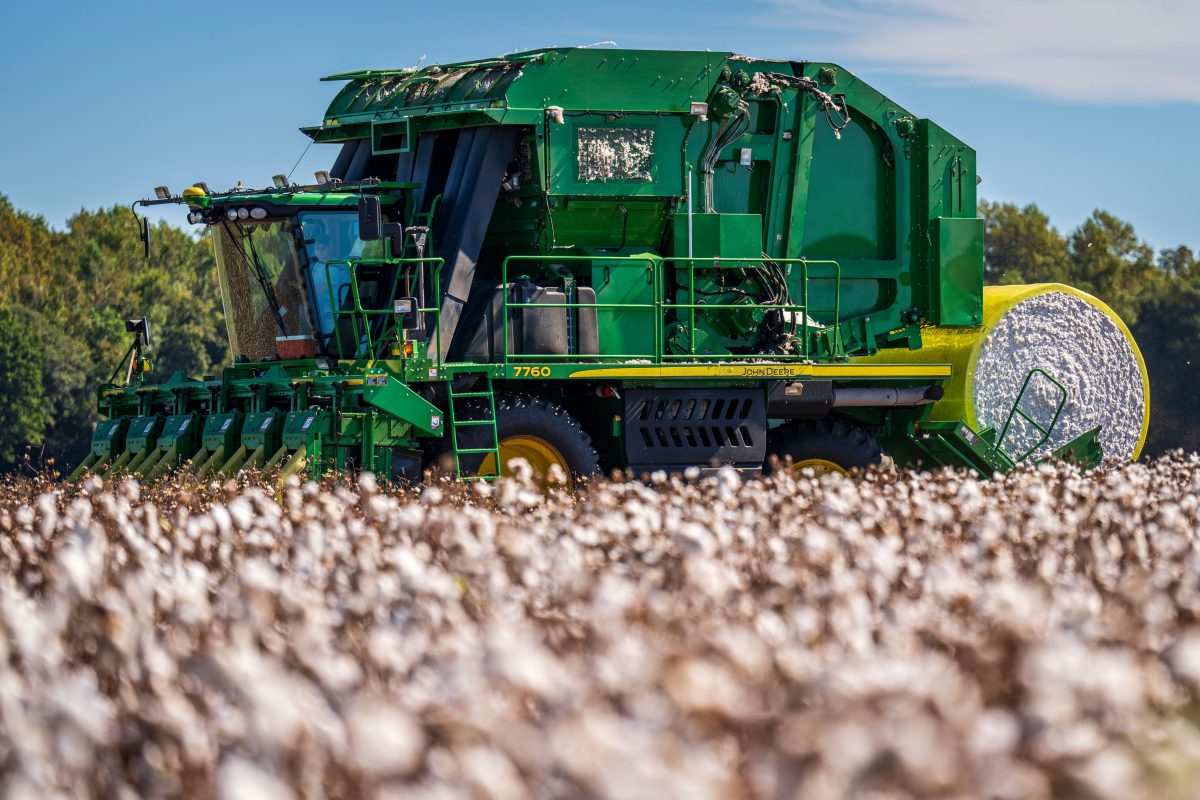
Tanzania’s cotton output has rebounded 48%. Kenya’s GM cotton revolution is scaling. Ethiopia is exporting garments at $420 million a year. The raw production numbers look encouraging — but East Africa still ships predominantly raw lint while Asia and Europe capture the margin at every subsequent stage of the textile supply chain. The recovery is real. The structural problem is older and harder.
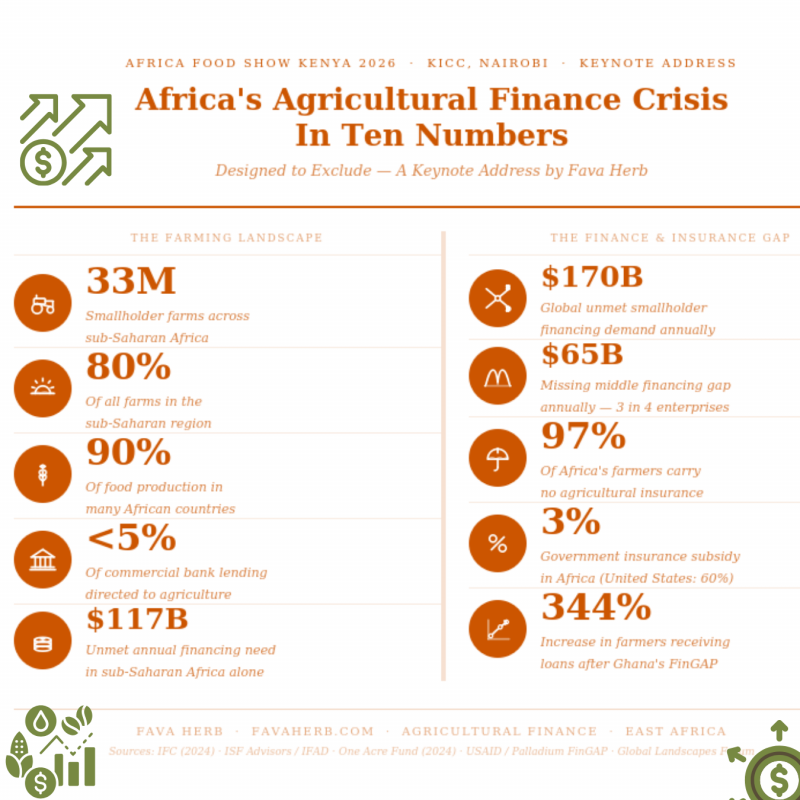
Thirty-three million smallholder farms produce up to ninety percent of the food consumed across sub-Saharan Africa.
They receive less than five percent of commercial bank lending.
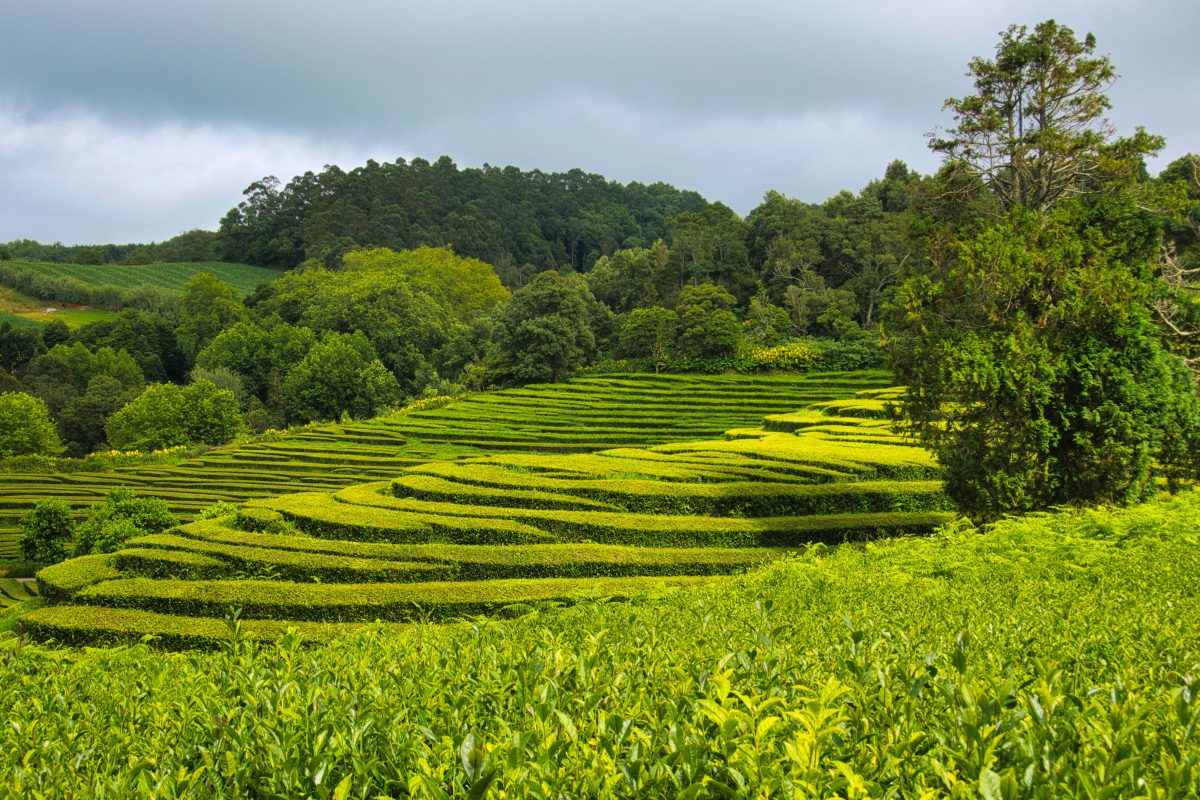
Kenya exported more tea in 2025 than at any point in its history — and earned less for it than the year before. While Sri Lanka earns nearly double per kilogram and Rwanda commands a higher unit price at Kenya’s own auction, the world’s largest black tea exporter by volume is shipping more to make less. Add the loss of Iran and Sudan, an ongoing war that has blocked eight million kilograms at Mombasa port, a new Tea Levy that makes Kenyan tea more expensive than its competitors, and a KTDA bonus season that left smallholder farmers in the Rift Valley with payments 30% below the prior year — and a structural crisis comes into focus.
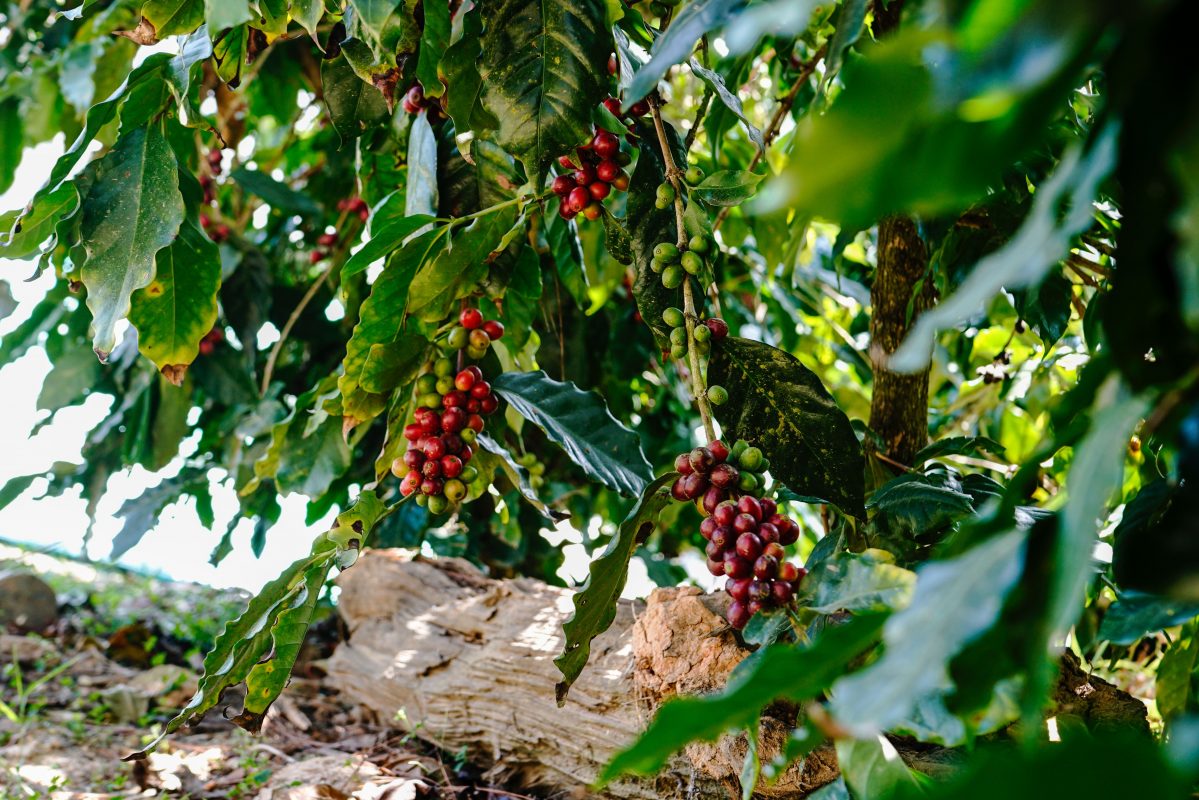
Africa posted record coffee exports in 2024/25 and Ethiopia and Uganda are shipping at volumes the continent has never seen. The price that made these records possible has now turned. A Brazil-led global surplus of 7 to 10 million bags is bearing down on Arabica futures, EUDR compliance is arriving in December, and East Africa’s producers are about to discover how different the market looks on the descent.
