
Healthy Life
Avocado Seed Powder: The Most Overlooked Superfood on the Planet
Jul
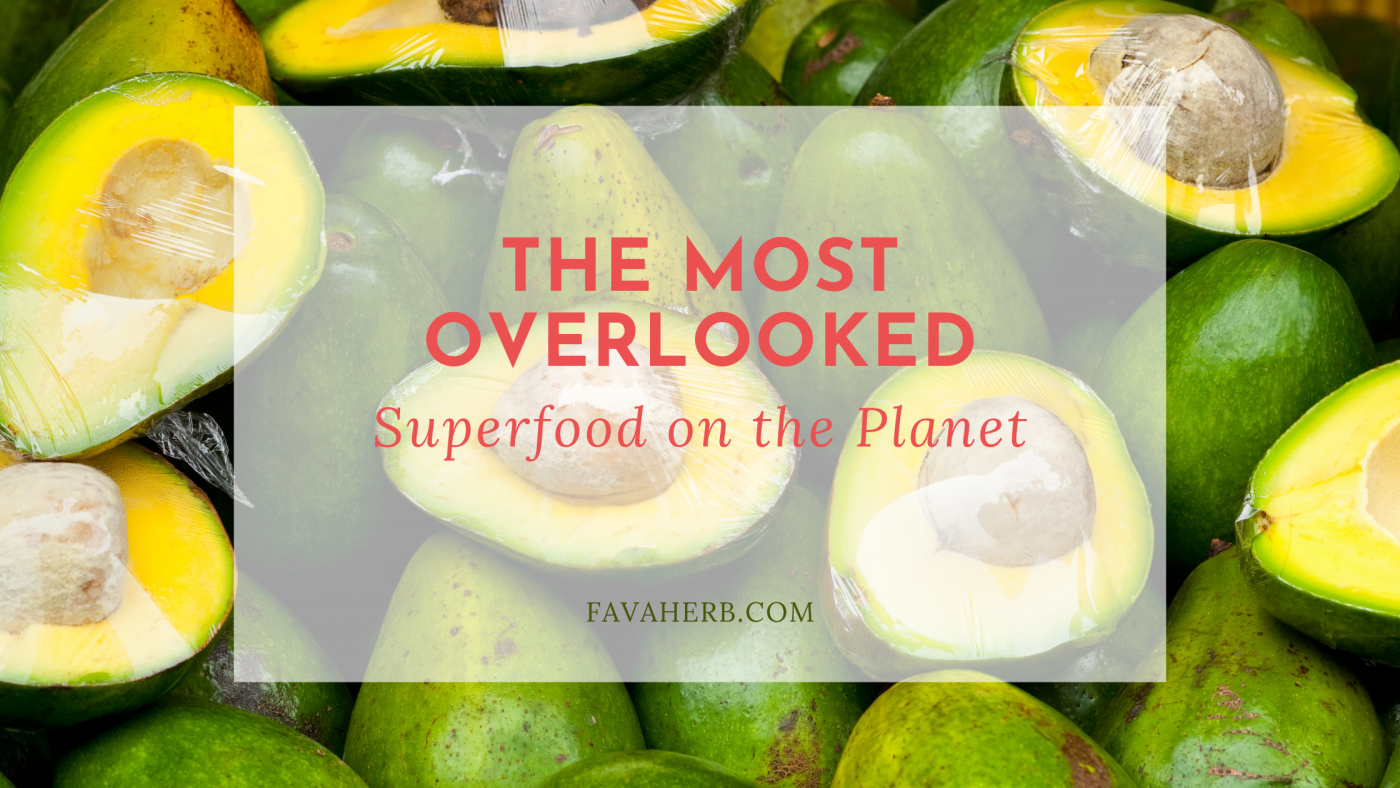
Avocado Seed Powder:
The Most Overlooked
Superfood on the Planet
The avocado seed contains more antioxidants than the flesh, the oil, and most celebrated superfoods — and most people throw it away.
- What Is Avocado Seed Powder?
- How Avocado Seed Powder Is Made
- Active Compounds and Phytochemistry
- Health Benefits of Avocado Seed Powder
- Seed vs Flesh vs Oil: The Full Comparison
- Skin and Hair Benefits
- How to Use Avocado Seed Powder
- The Sustainability Angle
- Dosage and Safety
- Frequently Asked Questions
Every day, millions of avocado seeds are discarded. The avocado — Persea americana — has become one of the world’s most consumed fruits, its creamy flesh celebrated for healthy fats, potassium, and vitamin E. Yet the seed at the centre of every avocado, which makes up 13 to 18% of the fruit’s total weight, is routinely thrown into the bin. This is a significant nutritional oversight. Multiple independent studies across the past two decades have established that the avocado seed contains the highest concentration of antioxidant polyphenols in the entire fruit — accounting for approximately 70% of the avocado’s total antioxidant capacity despite comprising less than a fifth of its weight.
Avocado seed powder — produced by drying and grinding the seed to a fine, reddish-brown powder — is gaining recognition as a functional food ingredient and natural health supplement with a range of documented and emerging therapeutic applications. From cardiovascular support and blood glucose regulation to skin firming and hair strengthening, the chemistry of the avocado seed is significantly more complex and potent than its current market status suggests.
This guide provides a thorough, evidence-grounded examination of avocado seed powder — its phytochemistry, its health benefits, its applications in food and cosmetics, how to use it, and an honest assessment of its safety profile.
What Is Avocado Seed Powder?
- Source Plant
- Persea americana
- Plant Family
- Lauraceae
- Native Range
- Mexico and Central America
- Plant Part Used
- Seed (pit/stone)
- Seed % of Fruit
- 13 – 18% by weight
- Antioxidant Share
- ~70% of fruit’s total
- Powder Colour
- Warm reddish-brown
- Flavour Profile
- Bitter, astringent, earthy
The avocado seed is a large, hard endosperm enclosed in a thin brown papery testa (seed skin). When cut or broken, the interior is a firm, cream to pale orange mass with a distinctively bitter, astringent taste — a direct sensory signal of the dense tannin and polyphenol content within. In traditional medicine across Mexico, Colombia, Venezuela, and parts of Central America, the seed has been used in dried or powdered form to treat a range of conditions including diarrhoea, fungal infections, hypertension, and skin complaints — a consistent traditional application that predates modern phytochemical analysis by centuries.
The powder produced from the dried, ground seed retains the full spectrum of the seed’s bioactive compounds, making it a convenient and concentrated format for both internal supplementation and topical cosmetic use. Its warm reddish-brown colour comes from the oxidation of its phenolic compounds — the same browning reaction that occurs when the cut avocado flesh is exposed to air, but at much higher intensity in the seed. This colour is a visual indicator of polyphenol richness and is maintained in high-quality, correctly dried powder.
How Avocado Seed Powder Is Made
The production process for avocado seed powder is straightforward but requires careful attention to drying temperature and time to preserve the bioactive compounds and prevent microbial growth.
Remove the seed from a ripe avocado. Rinse away any residual flesh under cold water. The seed is enclosed in a thin brown testa — this outer skin can be left on (it contributes additional tannins) or peeled away depending on the desired flavour intensity of the final powder.
Using a sharp, heavy knife, carefully cut the seed into quarters or smaller pieces. This dramatically reduces the drying time and makes subsequent grinding far easier. The interior will oxidise quickly to a brownish-orange colour on exposure to air — this is normal and desirable, as it indicates phenolic compound activation.
Arrange seed pieces on a dehydrator tray or oven rack. Dry at 40 to 50 degrees Celsius for 8 to 12 hours, or until the pieces are completely brittle with zero residual moisture. This low-temperature drying is important — excessive heat above 60 degrees Celsius begins to degrade thermolabile phenolic compounds including catechins and some flavonoids. Correctly dried seed pieces will snap cleanly rather than bend.
Process the dried seed pieces in a high-powered blender, spice grinder, or food processor until a fine, uniform powder is achieved. The seed is extremely hard when fully dried — a high-powered blender or commercial mill is recommended for consistently fine particle size. Sift through a fine mesh strainer to remove any remaining coarse fragments. Commercially produced powder undergoes further industrial milling for food-grade particle consistency.
Store the finished powder in an airtight, opaque glass container away from heat, light, and moisture. The dry powder is stable for 6 to 12 months when stored correctly. Exposure to moisture will cause clumping and accelerated degradation of antioxidant compounds. Commercial producers may add a desiccant sachet and vacuum-seal packaging to extend shelf life.
Active Compounds and Phytochemistry
The avocado seed’s phytochemical profile is remarkably rich for a material that is widely treated as agricultural waste. Its primary bioactive classes — the condensed tannins (proanthocyanidins), phenolic acids, flavonoids, and triterpenes — are each independently well-studied, and their combined presence in the seed creates a synergistic multi-target therapeutic effect.
| Compound | Class | Key Therapeutic Actions |
|---|---|---|
| Proanthocyanidins (Condensed Tannins) | Polyphenol | Primary antioxidant; exceptional free radical scavenging, anti-inflammatory, antimicrobial, collagen-cross-linking (skin firming), cardiovascular protection |
| Procyanidins | Oligomeric flavonoid | Potent antioxidant, capillary-strengthening, anti-platelet, anti-inflammatory, antimicrobial — synergistic with proanthocyanidins |
| Catechin & Epicatechin | Flavanol | Antioxidant, cardiovascular protection, anti-inflammatory, collagen-supportive — same compounds as in green tea and cacao |
| Chlorogenic Acid | Phenolic acid | Blood glucose modulation, antioxidant, anti-inflammatory, liver-protective, blood pressure support |
| Gallic Acid | Phenolic acid | Potent antimicrobial and antifungal, antioxidant, anti-inflammatory, anti-tumour research interest |
| Quercetin & Kaempferol | Flavonoid | Anti-inflammatory, antioxidant, antihistamine, cardiovascular support, MMP inhibition (skin) |
| Lupeol | Triterpene | Anti-inflammatory, anti-arthritic, anti-tumour research interest, skin healing — also found in mangoes and figs |
| Ursolic Acid | Triterpene | Collagen synthesis stimulation, anti-inflammatory, antimicrobial, metabolic support |
| Phytosterols (beta-sitosterol) | Sterol | LDL cholesterol reduction, anti-inflammatory, prostate health, immune modulation |
| Pectin (Soluble Fibre) | Polysaccharide | Blood glucose modulation (slows absorption), prebiotic, cholesterol reduction, satiety promotion — very high concentration in avocado seed |
| Persenone A & B | Aliphatic acetogenin | Anti-inflammatory via cyclooxygenase pathway inhibition — unique to avocado; also found in the flesh at lower concentrations |
The proanthocyanidins are the dominant compound class and the primary driver of the seed’s exceptional antioxidant capacity. These condensed tannins are large, complex polyphenols formed by the oligomerisation of catechin and epicatechin units. Their multi-ring structure creates multiple phenolic hydroxyl groups available for free radical electron donation — which is why they outperform simpler antioxidants on a per-gram basis. They are also responsible for the seed’s characteristic bitterness and astringency, which results from their binding to salivary proteins. This same protein-binding activity is what gives them their antimicrobial properties — they bind to and denature proteins in bacterial cell walls.
Equally noteworthy is the seed’s very high pectin content. Pectin is a soluble dietary fibre that forms a gel-like matrix in the gut, slowing the absorption of glucose and cholesterol, feeding prebiotic gut bacteria, and promoting satiety. The avocado seed contains a higher density of pectin than the flesh, making avocado seed powder a meaningful dietary fibre source in addition to its polyphenol contribution.
Health Benefits of Avocado Seed Powder
Antioxidant Protection
Higher total polyphenol content than the avocado flesh and oil combined — protecting cells against oxidative damage linked to ageing and chronic disease.
Cardiovascular Health
Phytosterols reduce LDL cholesterol absorption; procyanidins improve vascular flexibility and reduce platelet aggregation; phenolic acids lower oxidative LDL damage.
Blood Glucose Regulation
High pectin content slows glucose absorption; chlorogenic acid improves insulin sensitivity — meaningful support for metabolic health.
Digestive Health
Pectin and other soluble fibres act as prebiotics, feeding beneficial gut bacteria and supporting colonic health and bowel regularity.
Antimicrobial Activity
Gallic acid, proanthocyanidins, and tannins inhibit a broad spectrum of bacterial and fungal pathogens — documented in multiple in vitro studies.
Anti-inflammatory Action
Persenones A and B inhibit COX enzymes; lupeol, ursolic acid, and flavonoids suppress pro-inflammatory cytokines across multiple pathways.
Cardiovascular Support
The cardiovascular evidence for avocado seed compounds is grounded in multiple mechanisms. Phytosterols, particularly beta-sitosterol, compete with dietary cholesterol for absorption in the small intestine, directly reducing LDL cholesterol levels with consistent efficacy demonstrated across clinical research on phytosterol-rich foods. Procyanidins improve endothelial function and reduce platelet aggregation, decreasing the risk of abnormal clot formation. The seed’s phenolic acids — particularly chlorogenic and gallic acid — reduce the oxidative modification of LDL cholesterol that initiates atherosclerotic plaque formation.
Animal studies specifically examining avocado seed extracts have demonstrated significant reductions in blood pressure, total cholesterol, and triglycerides compared to controls. While human clinical trials are limited in number, the mechanistic evidence from the seed’s individual compound classes — each with substantial independent clinical literature — provides a strong rationale for its cardiovascular utility.
Blood Glucose and Metabolic Health
Two independent mechanisms in avocado seed powder contribute to blood glucose management. The soluble fibre (pectin) slows gastric emptying and glucose diffusion across the intestinal wall, blunting post-meal glycaemic spikes and reducing the insulin demand associated with high-carbohydrate meals. Chlorogenic acid — the same compound responsible for much of coffee’s antidiabetic activity — inhibits glucose-6-phosphatase, an enzyme involved in hepatic glucose production, and improves peripheral insulin sensitivity at the cellular level.
A study published in the Journal of Agricultural and Food Chemistry found that avocado seed extract demonstrated significant inhibitory activity against alpha-glucosidase and alpha-amylase — the digestive enzymes responsible for breaking down starch into absorbable sugars. This enzyme-inhibiting activity, comparable to the pharmaceutical antidiabetic agent acarbose in some assays, represents a meaningful mechanism for post-meal blood glucose management.
Antimicrobial Properties
The antimicrobial activity of avocado seed extracts is one of the most consistently demonstrated properties in the peer-reviewed literature. Studies have documented inhibitory activity against a range of pathogenic bacteria including Staphylococcus aureus, Streptococcus pyogenes, Escherichia coli, and Salmonella typhimurium, as well as antifungal activity against Candida albicans and several dermatophyte fungi. The mechanisms involve multiple compound classes acting simultaneously — proanthocyanidins and tannins disrupting bacterial cell membranes through protein precipitation, while gallic acid and other phenolic acids inhibit essential bacterial enzymes. This multi-target antimicrobial mechanism reduces the likelihood of resistance development compared to single-compound antibiotics.
Seed
Powder
Premium Avocado Seed Powder
Carefully dried and finely milled from premium Persea americana seeds. Warm reddish-brown colour confirming high polyphenol content. Food-grade and cosmetic-grade in a single product. Tested for moisture content and microbial safety.
Shop Now View All PowdersSeed vs Flesh vs Oil: Why the Seed Wins on Antioxidants
Most people know avocado primarily through its flesh — the creamy, nutrient-rich interior that dominates global consumption. The oil pressed from avocado flesh is equally celebrated for its healthy fatty acid profile. Yet when the three main components of the avocado are compared on antioxidant capacity and polyphenol density, the seed consistently outperforms both.
- ~70% of fruit’s total antioxidant capacity
- Very high proanthocyanidins and procyanidins
- Rich in phenolic acids: gallic, chlorogenic
- High soluble fibre (pectin)
- Lupeol and ursolic acid (triterpenes)
- Significant phytosterol content
- Bitter, astringent flavour — high tannin signal
- Most commonly discarded — underutilised
- Rich in monounsaturated fats (oleic acid)
- High potassium, folate, vitamin K
- Moderate antioxidants (~25% of fruit total)
- Vitamin E and C present
- Lower polyphenol density than seed
- Lutein and zeaxanthin (eye health)
- Mild, creamy flavour — widely palatable
- Excellent nutritional profile; different strength
- Concentrated monounsaturated fatty acids
- Very high smoke point — excellent for cooking
- Lower antioxidant capacity than flesh or seed
- Good skin barrier and penetration properties
- Squalene and sterols for skin health
- Vitamin E in lipid-soluble form
- Neutral, pleasant flavour
- Most commercially developed of the three
The three components are nutritionally complementary rather than competitive. Consuming the flesh provides healthy fats, potassium, and fat-soluble vitamins. Avocado oil delivers a concentrated, heat-stable cooking fat with excellent culinary properties. Avocado seed powder adds the high-polyphenol, high-fibre dimension that neither the flesh nor the oil provides at equivalent concentration. Used together — seed powder in smoothies or baked goods alongside the whole fruit — they offer a nutritionally complete utilisation of the entire avocado.
Skin and Hair Benefits
Avocado seed powder has a growing and well-justified reputation in natural cosmetics, valued for a set of skin and hair benefits that are directly attributable to its well-characterised compound classes. It can be used topically in several formats: as a dry powder incorporated into masks and scrubs, as a water extract (brewed and cooled like a tea) applied to skin or scalp, or in formulation as a polyphenol-rich botanical active in creams and serums.
Collagen Support and Firming
Proanthocyanidins cross-link collagen fibres, structurally firming skin tissue. Ursolic acid stimulates collagen synthesis. Quercetin and catechins inhibit matrix metalloproteinases — the enzymes that degrade collagen and elastin — reducing the rate of structural skin ageing with consistent use.
Skin Tone and Pore Refinement
The seed’s tannin-rich astringency tones skin surface proteins and tightens enlarged pores. Gallic acid inhibits tyrosinase — the melanin-producing enzyme — contributing to a more even, brighter skin tone over time. Anti-inflammatory compounds reduce post-inflammatory hyperpigmentation.
Natural Physical Scrub
Finely milled avocado seed powder provides gentle physical exfoliation when incorporated into face and body scrubs, removing dead skin cells and improving surface texture without the microplastic concerns of synthetic scrub particles. Combine with honey, coconut oil, or yogurt for a nourishing exfoliating mask.
Antimicrobial and Astringent
The seed’s broad-spectrum antimicrobial activity against skin pathogens including Cutibacterium acnes, combined with its pore-tightening astringency and anti-inflammatory flavonoid action, makes it a rational natural ingredient for oily, acne-prone skin. Used as a weekly mask it helps control excess sebum and reduce lesion frequency.
Scalp Health and Strengthening
Applied as a scalp treatment — mixed with a carrier oil and left for 20 to 30 minutes before washing — avocado seed powder’s antimicrobial tannins address dandruff-causing fungi, while its procyanidins and triterpenes stimulate scalp circulation. Traditional use in Latin America for hair strengthening is consistent with these documented mechanisms.
Anti-inflammatory Skin Repair
Lupeol, persenone A and B, and the seed’s flavonoids collectively reduce the inflammatory cascade in damaged skin, while tannins provide a mild astringent barrier action over minor wounds. Traditional use for minor cuts and skin infections is directly supported by the seed’s documented antimicrobial and anti-inflammatory pharmacology.
How to Use Avocado Seed Powder
-
1Smoothies (Most Practical Daily Method)
Add half a teaspoon of avocado seed powder to a blender with your other smoothie ingredients. The strong bitter-astringent flavour of the powder blends well with naturally sweet and flavourful ingredients — banana, mango, pineapple, berries, cacao powder, or nut butter all effectively mask the bitterness while combining synergistically for nutritional benefit. Start with a quarter teaspoon to assess taste tolerance and increase gradually over a week to a maximum of one teaspoon daily.
-
2Seed Tea
Simmer half a teaspoon of avocado seed powder in 300 ml of water for 10 to 12 minutes over low heat. Do not merely steep — the compounds in the seed require sustained heat exposure for full extraction. Strain through a fine mesh and sweeten with honey to balance the bitter astringency. The resulting tea has a reddish-brown colour and a robust, slightly earthy flavour. Adding fresh ginger and lemon improves palatability and adds complementary anti-inflammatory compounds.
-
3Culinary Addition
In small quantities, avocado seed powder can be added to soups, stews, chilli, and sauces during cooking — the cooking process mellows the bitter tannins and the powder’s flavour becomes an earthy background note rather than a dominant bitterness. Use no more than a quarter to half teaspoon per serving in cooked dishes. It works particularly well in richly spiced preparations where the bitterness can integrate naturally with complex flavours.
-
4Baked Goods
Add half to one teaspoon of avocado seed powder to bread dough, muffin batters, energy balls, or brownie recipes. The baking process reduces astringency, and the powder integrates well into darker, more robustly flavoured baked goods. It pairs naturally with chocolate, cinnamon, oats, and nut-based recipes. Incorporating it into energy balls with dates, oats, and cacao is one of the most palatable and nutritionally synergistic uses.
-
5Face Mask or Scrub (Topical)
Mix one teaspoon of avocado seed powder with one tablespoon of raw honey (antibacterial and humectant) and a small amount of water or rose water to form a paste. Apply to cleansed face, leave for 10 to 15 minutes, and rinse with warm water using gentle circular motions to benefit from the light physical exfoliation of the powder particles. This combination is particularly beneficial for oily, acne-prone, or dull skin. Use one to two times per week. Patch test on the inside of the wrist before first facial use.
-
6Hair and Scalp Treatment
Combine one to two teaspoons of avocado seed powder with two tablespoons of warmed coconut or olive oil to form a paste. Apply to the scalp and hair, massaging gently into the scalp. Leave for 20 to 30 minutes under a warm towel, then wash out thoroughly with a mild shampoo. The antimicrobial tannins address scalp fungal and bacterial imbalances while the oil phase delivers conditioning to the hair shaft. Use once a week for scalp issues or every two weeks for general hair strengthening.
A Superfood Born from Zero Waste
The global avocado industry produces one of the most significant volumes of organic food waste of any single commodity. For every avocado consumed, a seed — representing up to 18% of the fruit’s total weight — is discarded. In markets where avocado consumption has surged, the cumulative volume of discarded seeds represents a genuine waste management challenge and an enormous untapped nutritional resource.
Avocado seed powder is one of the most compelling examples of circular nutrition — the transformation of an agricultural by-product into a high-value functional ingredient without additional land use, additional water consumption, or additional agricultural inputs of any kind. Every jar of avocado seed powder sold represents seeds that would otherwise have entered the waste stream, extracted from fruit that was already being consumed for its flesh.
For retailers and consumers increasingly motivated by both personal health and supply chain sustainability, avocado seed powder occupies a genuinely virtuous position. Its production reduces organic waste, adds value at the processing stage rather than requiring virgin agricultural inputs, and delivers a product with documented nutritional benefits that are greater in several key metrics than the primary product it is derived from.
- Antioxidant Share
- 70%of the fruit’s total antioxidant capacity
- Seed % of Fruit
- 18%max by weight — routinely discarded
- Years of Use
- 500+years of traditional use in Latin America
- Waste Status
- Zeroadditional agricultural inputs required
Seed
Extract
Avocado Seed Extract — Standardised Polyphenols
Concentrated liquid extract standardised for proanthocyanidin content — delivering a consistent, measurable therapeutic dose in a convenient format. Suitable for formulation in skincare serums, tinctures, and functional beverages.
Shop ExtractDosage and Safety
Safety and Contraindications
- Persin content: Avocado seeds, like all parts of the avocado plant, contain persin — a natural fungicidal compound. Persin is toxic to many animals, including dogs, cats, birds, rabbits, and horses, and must never be given to pets. In humans, persin at the concentrations found in typical supplement doses (half to one teaspoon of powder) is not considered harmful based on traditional use records and available toxicological data. However, it is a reason to adhere to recommended doses and not consume avocado seed powder in large quantities.
- Pregnancy: Avocado seed powder is not recommended during pregnancy. The seed has mild uterine-stimulating properties in traditional use, and the persin content and limited safety data in pregnancy make caution appropriate. Avoid all therapeutic use of avocado seed powder during pregnancy and breastfeeding unless specifically guided by a qualified healthcare provider.
- Animals — critical warning: Never give avocado seed or seed powder to dogs, cats, birds, rabbits, horses, or other animals. Persin toxicity in animals can cause respiratory distress, fluid accumulation around the heart, and death. Keep all avocado seed products completely away from pets and livestock.
- Blood thinning medications: The high vitamin K content of some avocado seed preparations may interact with warfarin and other anticoagulant medications. Those on blood-thinning medication should consult their healthcare provider before regular internal use.
- Recommended dose: For internal use, half a teaspoon (approximately 2 to 3 grams) per day is the conservative starting dose. The maximum recommended daily dose for ongoing use is one teaspoon (approximately 4 to 5 grams). Do not exceed this amount — the “more is better” principle does not apply to high-tannin preparations, and excessive tannin intake can irritate the gastrointestinal mucosa and impair iron and protein absorption.
- Iron absorption: Like all high-tannin preparations, avocado seed powder can reduce non-haem iron absorption when consumed simultaneously with iron-rich meals. Separate intake by at least one to two hours from iron-rich foods or iron supplementation.
- Topical patch test: Before applying avocado seed powder to the face or scalp for the first time, patch test on the inside of the wrist for 24 hours to check for contact sensitivity. While skin reactions are uncommon, the seed’s high tannin content can occasionally cause localised irritation in sensitive individuals.
Avocado seed powder has a multi-century track record of traditional use in Latin America with no documented serious adverse events at conventional doses. The primary safety considerations are the persin content (relevant mainly at high doses and critically important for animals), the pregnancy contraindication, and the standard precautions applicable to any high-tannin preparation. At the recommended dose of half to one teaspoon daily, incorporated into food or drink, avocado seed powder is considered safe for healthy non-pregnant adults.
Frequently Asked Questions
The following answers address the highest-volume searches around avocado seed powder, written for featured snippet and People Also Ask placement.
What is avocado seed powder good for?
Is avocado seed powder safe to eat?
Does avocado seed powder have more antioxidants than the fruit?
How do you use avocado seed powder?
Is avocado seed powder good for skin?
How is avocado seed powder made?
Can avocado seed powder help with weight loss?
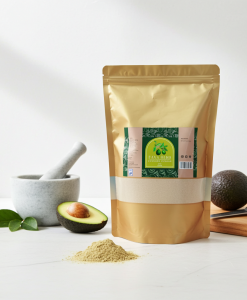
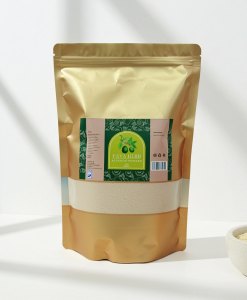
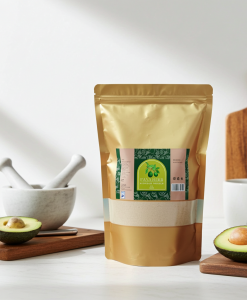
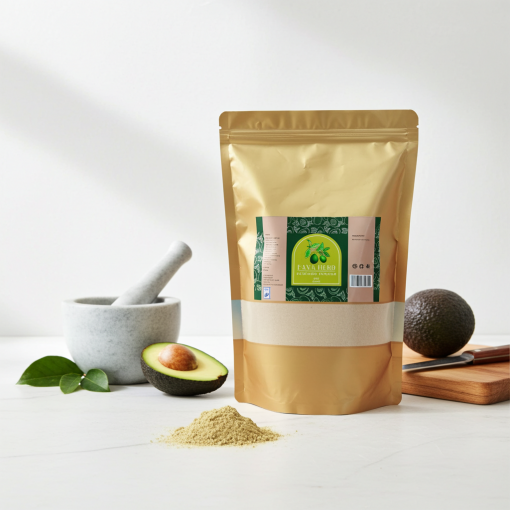
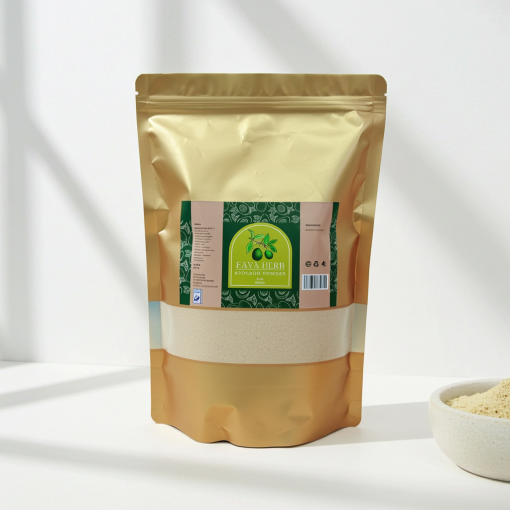
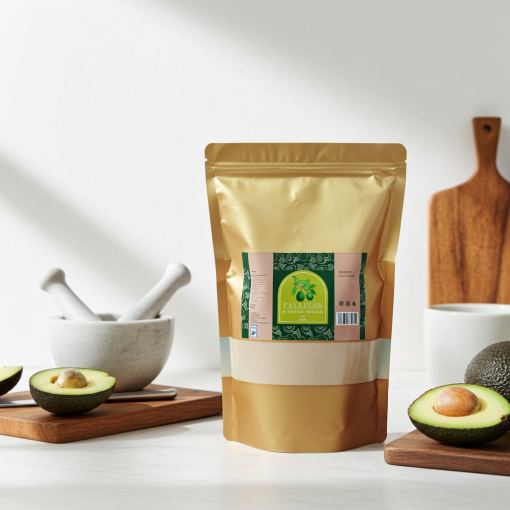
Premium Avocado Seed Powder 1KG – 100% Natural Antioxidant Superfood
100% pure, antioxidant-rich Avocado Seed Powder that supports metabolism, detoxification, glowing skin, and healthy hair. Perfect for smoothies, teas, and natural skincare.

