
Healthy Life
Lady’s Mantle: Benefits, Uses & Ancient Wisdom Backed by Modern Science
Jun
Lady’s Mantle:
Benefits, Uses & Ancient Wisdom
Backed by Modern Science
Everything you need to know about Alchemilla vulgaris — the revered herb that healers have relied on for over a thousand years.
Lady’s mantle (Alchemilla vulgaris) is one of Europe’s most beloved medicinal herbs — a gentle yet powerfully astringent perennial that has graced monastic herb gardens, royal apothecaries, and kitchen windowsills for more than a millennium. Its distinctive pleated leaves, which collect sparkling dewdrops at their centre, inspired medieval alchemists who believed this morning dew held the secret to eternal life. Today, modern herbalism and an expanding body of phytochemical research confirm what traditional healers have always known: lady’s mantle is an extraordinary botanical with measurable, reproducible effects on hormonal health, skin quality, digestion, and wound repair.
Whether you are exploring natural solutions for heavy periods, seeking a plant-based skin-tightening ingredient, or simply looking to expand your herbal apothecary, this guide covers every aspect of lady’s mantle — from its bioactive chemistry to practical preparation methods — so you can make informed, confident decisions about incorporating it into your wellness routine.
What Is Lady’s Mantle?
- Botanical Name
- Alchemilla vulgaris
- Plant Family
- Rosaceae
- Plant Part Used
- Aerial parts (leaf, stem, flower)
- Native Range
- Europe, Western Asia
- Traditional Systems
- European, Ayurvedic
- Primary Action
- Astringent, Anti-inflammatory
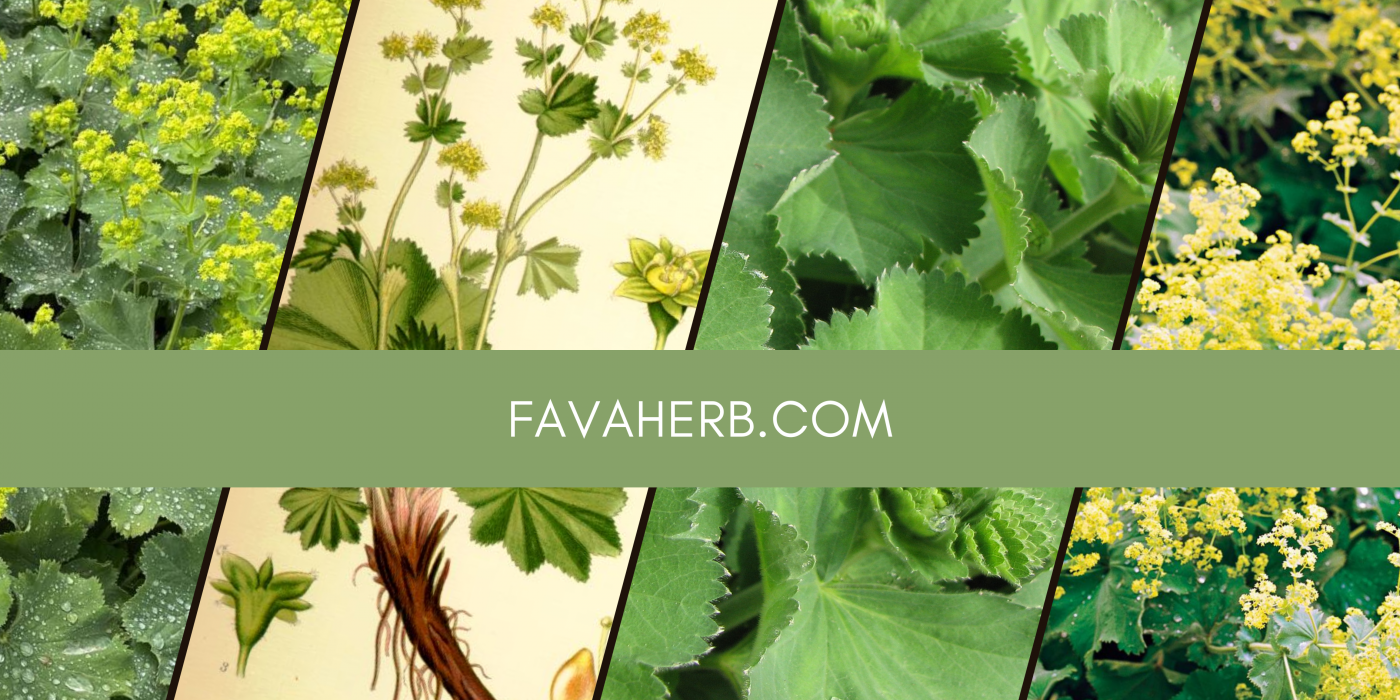
Lady’s mantle is a low-growing perennial herb that reaches between 30 and 45 cm in height, producing fans of soft, deeply lobed leaves with scalloped edges and a downy, water-repellent surface. In early summer it produces dense clusters of tiny greenish-yellow flowers that, while unremarkable individually, create a frothy, cloud-like effect when massed together.
The genus name Alchemilla derives from the Arabic alkemelyeh, referencing the sacred importance alchemists placed on the dew collected from its leaves. The common name “lady’s mantle” refers to the Virgin Mary in Christian European tradition, alluding to the plant’s cloak-like, protective leaves and its strong association with female health.
Historically, the herb was used across Germany, Scandinavia, the British Isles, and Eastern Europe for a remarkably consistent set of applications: to control heavy menstrual bleeding, support fertility, ease menopausal discomfort, bind wounds, and firm ageing skin. The degree of cross-cultural convergence in its folk applications is itself a compelling signal of its efficacy.
Active Compounds and Nutritional Profile
The therapeutic activity of lady’s mantle is attributable to a well-characterised group of phytochemicals. Understanding these compounds helps explain why the herb performs the way it does — and why it has earned a respected place in evidence-informed herbal medicine.
| Compound | Class | Key Actions |
|---|---|---|
| Agrimoniin | Ellagitannin | Potent antioxidant, anti-inflammatory, antimicrobial, anti-tumour research interest |
| Pedunculagin | Ellagitannin | Astringent, protein-binding, mucosal protection |
| Luteolin | Flavonoid | Anti-inflammatory, antioxidant, supports hormonal signalling |
| Quercetin | Flavonoid | Antioxidant, anti-allergic, capillary-strengthening |
| Apigenin | Flavonoid | Estrogenic modulation, anti-anxiety, anti-inflammatory |
| Salicylic Acid | Phenolic Acid | Anti-inflammatory, exfoliating (topical), analgesic |
| Catechins | Flavan-3-ol | Antioxidant, collagen-protective, antimicrobial |
| Phytosterols | Sterol | Hormonal modulation, cholesterol balance, skin barrier |
Of particular note is the high concentration of ellagitannins, especially agrimoniin, which accounts for much of the herb’s tissue-tightening astringency. Ellagitannins are hydrolysed in the gut to produce ellagic acid and then urolithins — metabolites with documented antioxidant and anti-inflammatory activity. Lady’s mantle also contains a spectrum of glycosidic flavonoids that contribute to its gentle phyto-estrogenic activity, making it a rational first-line herb for oestrogen-related imbalances.
Health Benefits of Lady’s Mantle
Hormonal Balance
Supports oestrogen-progesterone equilibrium; widely used for PMS, menorrhagia, and menopause.
Skin Tightening
Tannin-rich astringency tones tissue, tightens pores, and reduces the appearance of fine lines.
Wound Healing
Precipitates surface proteins, reduces bleeding, and creates a protective barrier over minor wounds.
Digestive Support
Soothes irritable bowel symptoms, reduces intestinal permeability, and eases mild diarrhoea.
Antioxidant Defence
Ellagitannins and flavonoids neutralise free radicals, protecting cells from oxidative damage.
Antimicrobial Action
Inhibits growth of Staphylococcus aureus, E. coli, and Candida in laboratory studies.
Hormonal Health and Menstrual Support
Lady’s mantle is perhaps best known in herbal medicine for its application in female hormonal health. Its phyto-estrogenic flavonoids — particularly apigenin and luteolin — interact with oestrogen receptor beta, exerting a gentle modulatory influence that helps correct the oestrogen-progesterone imbalance that underlies many menstrual complaints.
For women experiencing heavy menstrual bleeding (menorrhagia), the astringent tannins in lady’s mantle tone the endometrial and uterine tissues, reducing excessive blood loss. This mechanism is well-supported by traditional clinical records and is consistent with the pharmacological behaviour of high-tannin astringent herbs. European phytotherapy practitioners commonly pair lady’s mantle with shepherd’s purse (Capsella bursa-pastoris) for pronounced menorrhagia.
During the perimenopausal and menopausal transition, lady’s mantle provides dual support: its mild phyto-estrogenic activity helps mitigate oestrogen withdrawal symptoms such as hot flushes and mood instability, while its anti-inflammatory compounds address the systemic low-grade inflammation that often accompanies this hormonal shift.
A 2017 study published in the Journal of Herbal Medicine examined Alchemilla vulgaris extracts and confirmed significant inhibition of COX-2 (an enzyme driving prostaglandin-induced menstrual cramping) at physiologically realistic concentrations. This lends direct mechanistic support to its traditional use in period pain.
Digestive Health
The same astringent tannins that act on uterine tissue also exert a toning, protective effect on the gastrointestinal mucosa. Lady’s mantle has a long tradition of use in cases of mild diarrhoea, irritable bowel syndrome, and gastroenteritis. Its tannins precipitate surface proteins in the gut lining, reducing permeability and excess secretion while its flavonoids suppress the pro-inflammatory cytokines that drive gut sensitivity.
It is also used as a gentle prebiotic-supportive herb — one that protects the mucosal lining without suppressing beneficial gut flora, unlike some conventional antidiarrhoeals.
Wound Healing and Antimicrobial Properties
Applied topically as a compress or wash, lady’s mantle is an effective first-aid herb for minor cuts, grazes, and slow-healing wounds. Its mechanism of action is multifactorial: the tannins create a protein precipitate layer over exposed tissue that acts as a natural wound covering; the salicylate compounds reduce local inflammation; and the ellagitannins exhibit demonstrated inhibitory activity against a range of pathogenic bacteria and fungi, reducing infection risk.
Gum health is another traditional application — diluted lady’s mantle tea used as a mouthwash helps manage gum inflammation, mouth ulcers, and post-extraction bleeding, with antimicrobial activity confirmed against oral pathogens including Streptococcus mutans.
Mantle
Herb
Premium Dried Lady’s Mantle Herb
Whole dried aerial parts — ethically harvested, sun-dried at optimal maturity, and tested for heavy metals and pesticide residues. Ideal for teas, tinctures, and topical preparations.
Shop Now View All ProductsLady’s Mantle for Skin
Interest in lady’s mantle as a cosmetic and skincare botanical has grown substantially over the past decade, and with good reason. Its multi-target action on skin tissue makes it one of the most versatile botanical actives available for natural formulations.
Tightening and Pore-Refining
The ellagitannins in lady’s mantle cross-link with skin surface proteins, producing an immediate tightening and pore-refining effect that is comparable to conventional astringent toners. Unlike alcohol-based toners that strip the skin barrier, however, lady’s mantle’s action is mediated by polyphenols that simultaneously provide antioxidant protection and support the skin’s microbiome.
Anti-Ageing and Collagen Support
Quercetin and catechins in lady’s mantle inhibit matrix metalloproteinases (MMPs) — the enzymes responsible for collagen and elastin degradation — thereby supporting structural skin integrity and reducing the rate of visible ageing. Its antioxidant capacity additionally protects against UV-induced free radical damage, one of the primary drivers of premature skin ageing.
Anti-Inflammatory and Acne-Prone Skin
For oily, acne-prone, or sensitised skin, lady’s mantle offers a combination of benefits that few single botanicals can match. Its astringency controls sebum, its salicylate content gently exfoliates blocked pores, its antimicrobial polyphenols inhibit Cutibacterium acnes, and its anti-inflammatory flavonoids reduce post-lesion redness. It can be incorporated into facial mists, cleansing formulations, serums, and masks with equal effectiveness.
Wound Healing and Post-Procedure Skin
Professional skincare practitioners have increasingly incorporated lady’s mantle extracts into post-treatment formulations — particularly after chemical peels, microneedling, and laser resurfacing — where its combination of antimicrobial, anti-inflammatory, and tissue-firming properties accelerates recovery and reduces post-inflammatory hyperpigmentation.
How to Use Lady’s Mantle
Lady’s mantle is highly versatile and adapts well to multiple preparation formats depending on the intended therapeutic target. Below are the most common and effective preparation methods.
-
Lady’s Mantle Tea (Standard Infusion)
Add 1 to 2 teaspoons of dried lady’s mantle herb to 240 ml of freshly boiled water (not actively boiling — remove from heat for 30 seconds first to protect thermolabile flavonoids). Cover and steep for 10 to 15 minutes. Strain and drink while warm. The standard therapeutic dose is 2 to 3 cups per day, taken between meals. The tea has a mild, slightly astringent taste with pleasant grassy and earthy notes. Honey, cinnamon, or lemon can be added to adjust flavour without reducing efficacy.
-
Tincture (Alcohol Extract)
A 1:5 tincture in 40% ethanol captures both the hydrophilic tannins and the more lipophilic flavonoid fractions effectively. The standard adult dose is 2 to 4 ml three times daily in a small amount of water. Tinctures offer convenience, extended shelf life (2 to 3 years), and consistent dosing — advantages over dried herb for therapeutic applications requiring sustained use over several menstrual cycles.
-
Topical Compress or Wash
Brew a strong infusion using 3 teaspoons of dried herb per 240 ml of water and steep for 20 minutes. Once cooled to a comfortable temperature, this liquid can be used as a facial rinse for oily or acne-prone skin, a wound wash for minor injuries and grazes, a compress for varicose veins or bruising, or a soothing mouthwash (gargle and spit) for inflamed gums and mouth ulcers.
-
Skincare Formulations
Lady’s mantle water extract (prepared from dried herb or purchased as a standardised cosmetic active) can be incorporated into facial toners, serums, creams, and micellar waters at concentrations of 1% to 10%. It is water-soluble and generally well-tolerated by sensitive skin. It pairs well with rose hip extract, green tea, niacinamide, and hyaluronic acid in anti-ageing and clarifying formulations.
-
Herbal Bath or Sitz Bath
Add a very strong infusion (100 g herb to 2 litres of boiling water, steeped for 20 minutes and strained) to a full bath or a sitz bath. This method is particularly useful for postpartum perineal healing, hemorrhoids, vulval irritation, and general reproductive tissue toning. It delivers high concentrations of active tannins and flavonoids directly to target tissues.
Growing Lady’s Mantle
Lady’s mantle is one of the most forgiving and rewarding garden herbs you can cultivate. It thrives in partial shade to full sun, tolerates a wide range of soil types (though it prefers moist, well-drained, slightly acidic to neutral loam), and once established, requires almost no attention.
Planting and Establishment
Sow seeds in trays at a temperature of 18 to 21 degrees Celsius in late winter to early spring. Lady’s mantle seeds benefit from cold stratification: refrigerate them for two weeks before sowing to improve germination rates. Transplant seedlings outdoors after the final frost, spacing plants 30 to 40 cm apart. It can also be propagated readily by division in spring or autumn.
Harvesting
Harvest the aerial parts (leaves, stems, and open flowers) during or just before flowering, typically in May through July in the Northern Hemisphere. This is the period of peak phytochemical concentration. Cut stems to about one-third of the plant’s height to allow rapid regrowth for a second harvest later in the season. Dry at 35 to 40 degrees Celsius in a dehydrator or in well-ventilated shade, and store in airtight, opaque containers away from heat and light. Properly dried and stored herb retains potency for 12 to 24 months.
Dosage and Safety
Safety and Contraindications
- Pregnancy: Lady’s mantle is traditionally contraindicated in pregnancy due to its uterine-toning astringent action. Avoid use during pregnancy unless specifically advised by a qualified healthcare provider.
- Breastfeeding: Insufficient clinical data exists to confirm safety during lactation. Err on the side of caution and avoid unless professionally guided.
- Liver Conditions: The high tannin content may place an additional burden on hepatic processing in individuals with pre-existing liver disease. Consult a healthcare provider before use.
- Blood-Thinning Medications: The tannins in lady’s mantle have mild platelet-modulating activity. Those on anticoagulants (warfarin, aspirin therapy, novel oral anticoagulants) should seek medical advice before using therapeutic doses.
- Long-Term High-Dose Use: As with all tannin-rich herbs, prolonged high-dose use is not recommended. Standard therapeutic courses of 4 to 8 weeks are appropriate for most applications, followed by a 4-week break before resuming.
- Iron Absorption: Tannins can reduce non-haem iron absorption when consumed simultaneously. Separate lady’s mantle tea from iron-rich meals or supplementation by at least two hours.
For internal use as a tea or tincture, lady’s mantle is considered well-tolerated and safe for most non-pregnant adults at standard herbal doses. There are no documented serious adverse events in the published literature at conventional therapeutic dosing. As with all medicinal herbs, individual responses vary, and it is advisable to introduce any new herbal preparation gradually and to consult a qualified herbal practitioner for therapeutic applications involving complex or chronic health conditions.
Mantle
Tincture
Lady’s Mantle Liquid Tincture
1:5 extraction in 40% ethanol — standardised, lab-tested, and produced under GMP conditions. Each 50 ml bottle provides a full 6-week course at the standard therapeutic dose.
Shop TinctureFrequently Asked Questions
These questions reflect the most common searches people make about lady’s mantle. Each answer is written to address both the searcher’s intent and the underlying practical need.
What is lady’s mantle used for?
How do you make lady’s mantle tea?
Can lady’s mantle help with heavy periods?
What does lady’s mantle do for skin?
Is lady’s mantle safe to use?
What part of lady’s mantle is used medicinally?
How does lady’s mantle compare to chaste tree (vitex) for hormonal health?
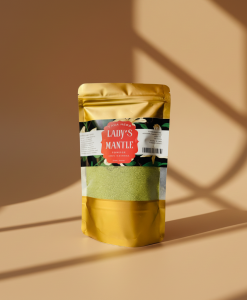
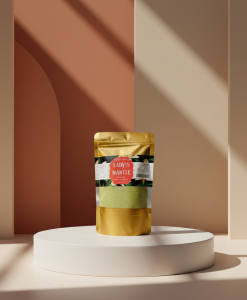

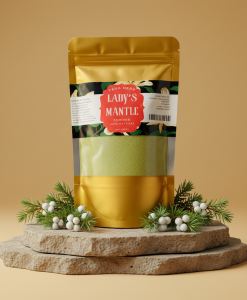
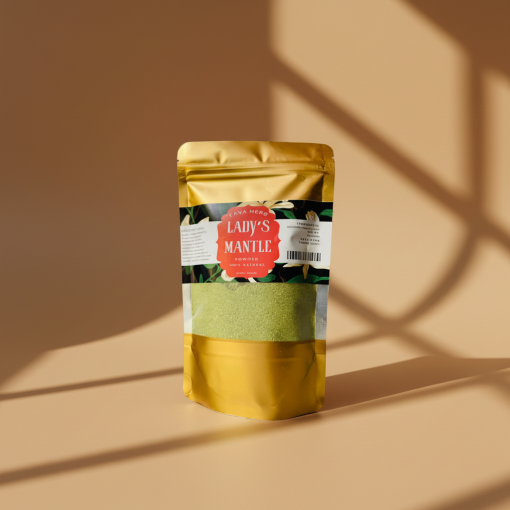
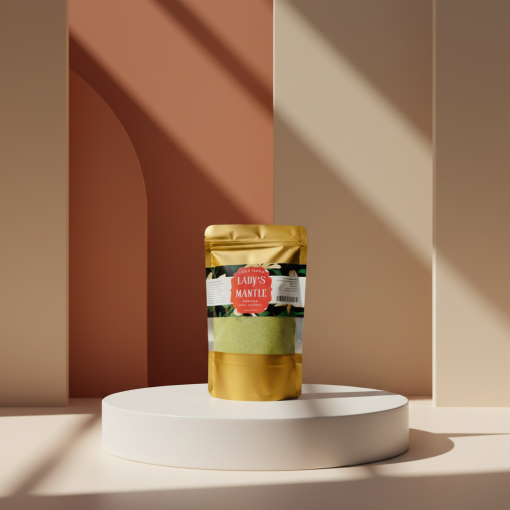
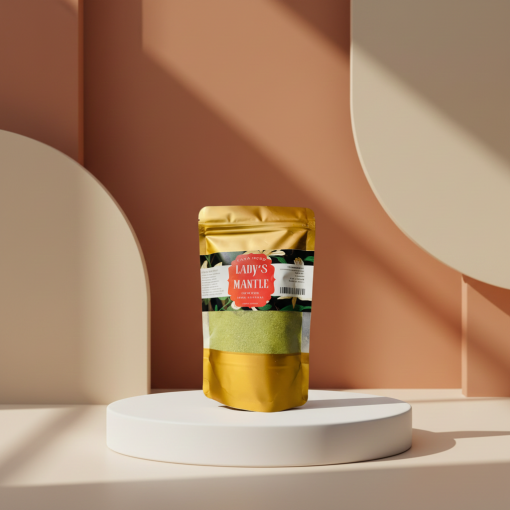
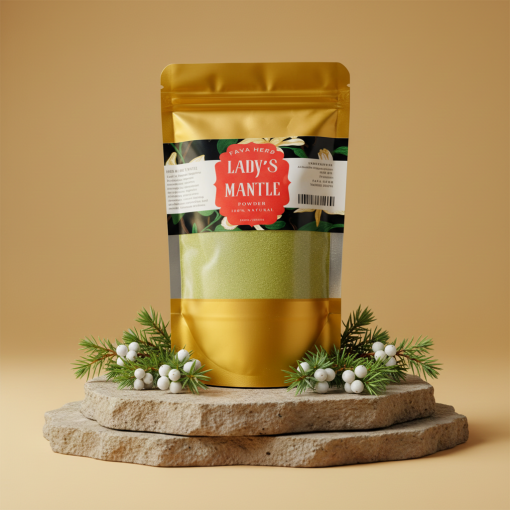
Lady Mantle Powder – Premium Herbal Powder for Wellness 1KG
Premium Lady’s Mantle Powder by Fava Herb made from finely milled Alchemilla vulgaris for herbal teas, wellness blends, skincare, and traditional botanical use.

Book: Returning To Nature’s Ancient Pharmacy -An African Approach To Natural Remedies
What You’ll Discover:
- Daily Herbal Remedies backed by Scripture and tradition
- Natural healing foods like raw honey, fermented drinks, and superfruits
- Uses of animal fats like tallow, ghee, and bone broth
- African healing plants like hibiscus, tamarind, and baobab
- Teas and Adaptogens for stress, energy, and hormone balance
- Spiritual insights on God’s design for healing and wellness
- Practical recipes, homemade remedies, and devotional reflection

