
Healthy Life
Pumpkin Seeds, Powder& Oil: The Complete African Guide
Sep
Pumpkin Seeds, Powder
& Oil: The Complete
African Guide
From the farms of Kenya, Uganda, and Tanzania — the most nutritionally complete seed crop in African smallholder agriculture, in three highly useful forms.
Best for antiparasitic use
Snacking and cooking
Full cucurbitin content
~28–30g protein / 100g
Highest protein concentration
Smoothies, baking, shakes
Hypoallergenic protein
~35–40g protein / 100g
Prostate and urinary health
Finishing oil and supplement
Skin and hair care
Rich in vitamin E and zinc
Pumpkins are so deeply woven into the fabric of African agriculture and food culture that it is easy to overlook how extraordinary they are nutritionally. Across Kenya, Uganda, Tanzania, Nigeria, Ethiopia, Zimbabwe, and beyond, the pumpkin (Cucurbita species) is one of the most widely grown food crops — valued for its flesh, its leaves (a nutritious cooked vegetable across East Africa), and, increasingly, its seeds. It is those seeds that are the subject of this guide: one of the most nutrient-dense, versatile, and clinically well-supported seeds in agriculture, available in three distinct and complementary product forms.
Pumpkin seeds provide what may be the most impressive mineral density of any seed — extraordinary zinc and magnesium, a complete protein at nearly 30 grams per 100 grams, and a unique amino acid called cucurbitin with documented antiparasitic properties that are particularly relevant across the African growing context. Pumpkin seed powder concentrates these benefits into a convenient format that integrates seamlessly into modern nutritional practice. And cold-pressed pumpkin seed oil delivers the seed’s fat-soluble therapeutics — phytosterols, vitamin E, and fatty acids — in a targeted, bioavailable liquid format with meaningful clinical evidence for prostate health and cardiovascular support.
This guide covers all three products comprehensively, from the agricultural story of pumpkin across the continent to the phytochemistry, clinical evidence, and practical usage guidance that makes each of them worth understanding.
Pumpkin in African Agriculture: A Continent-Wide Story
Pumpkins were introduced to Africa from the Americas during the early colonial period and adopted so thoroughly that they are now considered essential crops across the continent. They are remarkable for their adaptability — growing in semi-arid conditions with minimal inputs, thriving in the small plots that characterise African smallholder agriculture, and producing multiple edible parts from a single plant. For millions of African farming families, the pumpkin is not just a food source but a nutritional insurance crop — requiring little investment and yielding enormously.
Across East Africa, pumpkin leaves — known as “maboga” or “kunde” in different regional languages — are a widely eaten, highly nutritious vegetable. The flesh is used in soups, stews, and porridges. The seeds, historically roasted and eaten as a snack or ground into sauces (particularly in West and Central Africa), are now attracting commercial interest as a source of premium nutritional products for both domestic and export markets. Kenya’s growing food processing sector is increasingly looking at pumpkin seed oil and protein powder as high-value agricultural by-products from a crop that is already being grown for its flesh.
Widely grown across Western, Nyanza, Eastern, and Central regions. Seeds traditionally roasted. Growing commercial processing interest in seed oil and protein.
Important staple crop, particularly in northern and western Uganda. Seeds eaten roasted. Pumpkin leaves a significant dietary vegetable. Growing seed export sector.
Widely cultivated across all major agricultural zones. Traditional seed use in cooking — ground seeds used to thicken stews and sauces. Significant production volumes.
Seeds (“ugba” or “iru”) used in traditional cuisine. Egusi (melon seed) culture overlaps with pumpkin seed use. Growing awareness of nutritional value. Large domestic market.
Pumpkin (known as “nhanga”) is a deeply traditional crop. Seeds and leaves both consumed. Emerging interest in premium seed products for health market.
Cucurbita crops widely grown in highland and lowland zones. Seeds used in traditional preparations. Significant potential for seed powder and oil value-addition.
- Protein per 100g
- 30gone of highest plant sources
- Zinc per 100g
- 7.5mg50% of adult daily requirement
- Magnesium per 100g
- 592mghighest of any common food
- Plant parts used
- 4seeds, flesh, leaves, flowers
What Are Pumpkin Seeds?
- Primary Species
- Cucurbita pepo
- Also Cultivated
- C. maxima, C. moschata
- Plant Family
- Cucurbitaceae
- Native Origin
- Mesoamerica
- African Growing Belt
- Sub-Saharan Africa
- Protein Content
- ~28–32g per 100g
- Unique Compound
- Cucurbitin (antiparasitic)
- Oil Content
- ~45–50% by weight
Pumpkin seeds are the mature, dried seeds extracted from the interior of the pumpkin fruit. They come in two primary types: seeds with a white fibrous outer hull (the most commonly encountered form), and hull-less or “naked” seeds which have been bred to produce a thin, soft seed coat rather than a hard outer hull. Hull-less varieties — particularly the Austrian Styrian pumpkin (Cucurbita pepo var. styriaca) — are preferred for oil pressing and seed powder production, as they require no shelling and yield a higher proportion of usable seed mass per fruit.
In their raw form, pumpkin seeds are flat, oval, light green to cream-coloured kernels with a delicate, subtly sweet-nutty flavour. When roasted — the most common preparation across African food culture — they develop a deeper, richer, more intensely nutty flavour and a satisfying crunch. Both raw and roasted forms retain the full nutritional profile, though roasting at high temperatures for extended periods can degrade some tocopherols and polyunsaturated fatty acids. Light roasting at moderate temperatures (below 150°C for 15 to 20 minutes) has minimal impact on nutritional quality.
Nutritional Profile
Pumpkin seeds have one of the most impressive nutritional profiles of any seed, with particular distinction in protein, zinc, and magnesium — three nutrients simultaneously deficient in large portions of the global population, particularly across sub-Saharan Africa.
The magnesium content of pumpkin seeds is particularly remarkable — at 592 mg per 100g, a 30g serving delivers approximately 53% of the adult daily requirement, making pumpkin seeds one of the most magnesium-dense foods in existence. Given that magnesium deficiency is implicated in hypertension, type 2 diabetes, osteoporosis, and insomnia — all of growing concern across the African population — pumpkin seeds represent a locally available, culturally accepted solution to a widespread nutritional gap.
The zinc content at 7.5 mg per 100g is equally significant. A 30g serving provides approximately 34% of the adult daily requirement for zinc. Zinc deficiency is estimated to affect over 17% of the global population and is particularly prevalent in sub-Saharan Africa where plant-based diets dominated by phytate-rich staples can inhibit zinc absorption from other sources. Pumpkin seeds offer a concentrated, high-bioavailability zinc source that is native to African food culture.
Key Bioactive Compounds
| Compound | Class | Key Therapeutic Actions |
|---|---|---|
| Cucurbitin Unique | Non-proteinogenic amino acid | The primary antiparasitic compound — paralyses intestinal tapeworms and roundworms by disrupting their neuromuscular function, preventing attachment to the intestinal wall; unique to Cucurbita species |
| Beta-Sitosterol | Phytosterol | Primary prostate health compound — inhibits the conversion of testosterone to DHT, reducing prostate cell proliferation; also lowers LDL cholesterol absorption |
| Delta-7-Sterols | Phytosterol | Unique to pumpkin seeds among common plant foods; documented inhibitory effect on DHT production; strongly associated with BPH symptom improvement in clinical trials |
| Lignans (Mediaresinol, Pinoresinol, Lariciresinol) | Polyphenol | Phytoestrogenic activity; antioxidant; anti-inflammatory; associated with reduced breast and prostate cancer risk in epidemiological studies |
| Gamma-Tocopherol | Vitamin E isomer | Antioxidant; anti-inflammatory through nitric oxide pathway; cardiovascular protective; anti-tumour research interest — the predominant vitamin E form in pumpkin seeds |
| Tryptophan | Essential amino acid | Serotonin and melatonin precursor; supports sleep quality, mood regulation, and appetite control; pumpkin seeds are one of the richest tryptophan sources |
| Cucurbitacins | Triterpenoid | Anti-inflammatory; anti-tumour research interest; concentrated primarily in the seed coat (hull); anti-parasitic synergy with cucurbitin |
| Zinc | Essential mineral | Immune function, wound healing, testosterone production, prostate function, skin health, insulin signalling, DNA synthesis — pumpkin seeds are the richest plant source |
| Magnesium | Essential mineral | Cofactor for 300+ enzymatic reactions; blood pressure regulation, blood glucose management, muscle and nerve function, bone density, sleep quality via GABA pathway support |
| Arginine | Amino acid | Nitric oxide precursor — vascular relaxation, blood pressure support, cardiovascular health, sexual health; significant content in pumpkin seeds |
Cucurbitin is the compound that makes pumpkin seeds truly unique in the seed world. This non-proteinogenic amino acid — meaning it is not incorporated into protein chains but acts as a free compound — has been used as an antiparasitic agent in traditional medicine across Africa, Asia, and Europe for centuries. Its mechanism of action involves paralysis of the neuromuscular junction in parasitic worms, preventing the worm from gripping the intestinal wall so it can be passed during elimination. This is a genuine, pharmacologically characterised antiparasitic mechanism — not a folk claim — and has particular relevance in the African context where intestinal parasite burden remains a significant public health concern across multiple countries.
Health Benefits
Prostate and Urinary Health
Phytosterols (beta-sitosterol, delta-7-sterols) inhibit DHT conversion; zinc is essential for prostate cell function. Clinical evidence supports BPH symptom reduction.
Antiparasitic Action
Cucurbitin paralyses intestinal tapeworms and roundworms, preventing attachment. Traditional use across Africa confirmed by pharmacological research.
Sleep and Mood
Tryptophan is a melatonin and serotonin precursor; magnesium supports GABA activity and nervous system calm. The combination is one of the most effective natural sleep-supporting nutrient pairs.
Cardiovascular Health
Magnesium lowers blood pressure; phytosterols reduce LDL; arginine produces nitric oxide for vascular relaxation; gamma-tocopherol provides antioxidant cardiovascular protection.
Immune and Hormonal Support
Zinc is the primary immune mineral and critical for testosterone production, wound healing, and skin health. Lignans provide phytoestrogenic hormonal modulation.
Blood Sugar Regulation
Magnesium improves insulin sensitivity; protein and fibre slow glucose absorption; lignans and phytosterols have documented antidiabetic activity in metabolic research.
Prostate Health — The Strongest Clinical Evidence
Pumpkin seed oil’s prostate health applications have the most robust clinical evidence of any of the seed’s therapeutic uses. The mechanism is dual: phytosterols — particularly beta-sitosterol and the delta-7-sterols unique to pumpkin seeds — inhibit the 5-alpha-reductase enzyme that converts testosterone into dihydrotestosterone (DHT), the primary androgenic driver of prostate cell proliferation in benign prostatic hyperplasia. Simultaneously, pumpkin seeds’ exceptional zinc content supports normal prostate epithelial cell function and the regulation of prostate-specific antigen (PSA) production.
A 12-month randomised controlled trial published in the Journal of Medicinal Food compared the effects of daily pumpkin seed oil supplementation against a placebo in 47 men with BPH. The pumpkin seed oil group demonstrated significant improvements in International Prostate Symptom Score (IPSS), quality of life score, and maximum urinary flow rate compared to placebo, with the researchers noting the results were sustained throughout the full twelve-month treatment period. A separate 2014 pilot study found that pumpkin seed oil also reduced overactive bladder symptoms in women — extending its urinary benefit beyond the male prostate context.
Antiparasitic Properties — Cucurbitin in the African Context
The antiparasitic properties of pumpkin seeds have particular relevance across the African growing context, where intestinal parasites — including tapeworm infections (taeniasis) from beef or pork, and various roundworm species — remain a meaningful public health concern in many communities. Cucurbitin’s mechanism is well-characterised: it paralyses the suckers and hooks by which tapeworms and some roundworms anchor to the intestinal wall, allowing them to be passed from the body. The traditional protocol involves consuming a large quantity of raw seeds (50 to 80 grams, typically ground and mixed with honey or juice) followed several hours later by a natural laxative to assist elimination. This protocol is documented in traditional medicine across East Africa, West Africa, Asia, and Latin America — an unusual degree of convergence for a traditional antiparasitic practice.
Pumpkin
Seeds
Premium African Pumpkin Seeds — Whole Kernel
Cleaned and dried hull-less pumpkin seed kernels from East African smallholder farms. Rich green colour indicating high phytosterol and chlorophyll content. Available raw or lightly dry-roasted. No additives, no processing aids.
Shop Now View All African SeedsSeeds vs Powder vs Oil: Choosing the Right Format
All three products are derived from the same source and share the same core nutritional profile. The choice between them depends on your intended application, target nutrient, and daily routine. In many cases, combining two or all three products provides the broadest coverage of pumpkin’s nutritional spectrum.
- Best format for antiparasitic use (highest cucurbitin in whole seed context)
- Highest dietary fibre content of the three
- Most satisfying as a snack — high satiety
- 28 to 30g protein per 100g
- Full phytosterol, zinc, and magnesium profile
- Raw or roasted — both nutritionally sound
- Long shelf life when stored correctly
- Most economical format per gram of nutrition
- Most versatile — integrates into any food or drink
- Highest protein concentration (35 to 40g per 100g in defatted forms)
- Hypoallergenic plant protein — free from soy, dairy, gluten, nuts
- Easiest format for daily supplementation
- Excellent for smoothies, baked goods, protein shakes
- Retains zinc, magnesium, and tryptophan fully
- Partially defatted versions are leaner
- Best for protein supplementation goals
- Highest concentration of phytosterols — best for prostate health
- Highest concentration of vitamin E (gamma-tocopherol)
- Most convenient daily therapeutic supplement form
- Best for skin and hair care applications
- Lower protein and fibre than seeds or powder
- Use cold or low-heat only (smoke point ~160°C)
- Requires refrigeration after opening
- Most expensive format but smallest dose needed
The optimal approach for most individuals is to use pumpkin seeds or powder as a daily nutritional food (providing protein, zinc, magnesium, and tryptophan) and to add pumpkin seed oil as a targeted supplement for specific health applications — prostate support, cardiovascular maintenance, or skin nourishment. The three formats are genuinely complementary rather than substitutable, each concentrating a different dimension of the pumpkin seed’s remarkable nutritional profile.
Pumpkin Seed Oil: The Complete Guide
Cold-pressed pumpkin seed oil is extracted by mechanically pressing dried pumpkin seed kernels at low temperature, yielding a rich, deeply coloured oil ranging from dark green to reddish-amber depending on the seed variety and processing method. Hull-less Styrian-type pumpkin seeds produce the darkest, most flavour-intense oil; other varieties produce lighter, milder oils. All share the same core therapeutic profile — concentrated phytosterols, vitamin E, zinc, and unsaturated fatty acids in a bioavailable liquid form.
Fatty Acid Profile
Pumpkin seed oil’s fatty acid composition is predominantly polyunsaturated and monounsaturated, making it a therapeutic finishing oil rather than a high-heat cooking oil. Its fatty acid profile is: linoleic acid (omega-6) approximately 42 to 45%; oleic acid (omega-9) approximately 32 to 35%; palmitic acid approximately 12%; stearic acid approximately 6%; alpha-linolenic acid (omega-3) trace amounts. The high linoleic acid content explains its skin compatibility — particularly its suitability for acne-prone skin where sebum linoleic acid deficiency is a documented factor.
Culinary Applications
Finishing Oil
Drizzle over soups, salads, roasted vegetables, and pasta dishes just before serving. Its distinctive nutty-sweet flavour adds depth without dominating. A classic use is drizzled over pumpkin soup — flavour harmony at its most elemental.
Daily Supplement
Take 1 to 2 teaspoons (5 to 10 ml) directly by spoon or blend into smoothies. The therapeutic prostate and urinary health dose used in clinical trials is typically 320 to 480 mg phytosterols per day, equivalent to approximately 2 teaspoons of quality pumpkin seed oil.
Low-Heat Only
Smoke point approximately 160°C. Not suitable for frying or high-heat cooking — the high PUFA content produces harmful oxidation compounds at frying temperatures. Use for cold preparations, low-temperature dressings, and as a post-cooking drizzle only.
Skin and Hair Applications
Acne and Oily Skin
Its high linoleic acid restores the linoleic acid deficiency in acne-prone sebum — the same mechanism that makes rosehip oil beneficial for congested skin. Apply 2 to 3 drops to cleansed skin at night. Its zinc content additionally helps regulate sebum production and supports skin healing.
Nourishing and Anti-inflammatory
Gamma-tocopherol (the predominant vitamin E form in pumpkin seed oil) provides superior anti-inflammatory protection compared to the alpha-tocopherol found in most vitamin E supplements. Apply to body after bathing for sustained antioxidant and barrier nourishment.
DHT Inhibition
A small 2014 clinical study found that men taking pumpkin seed oil orally experienced a 40% increase in hair count over 24 weeks compared to placebo, attributed to the oil’s DHT-inhibiting phytosterols. It can also be applied topically to the scalp as a treatment oil before washing.
How to Use All Three Products
-
SeedsDaily Nutritional Snack (28–42g per day)
The most sustainable and enjoyable way to access pumpkin seeds’ full nutritional profile is consistent daily snacking. A 30g handful provides approximately 9g protein, 175mg magnesium, 2.25mg zinc, and meaningful amounts of tryptophan, fibre, and vitamin K. Raw seeds have the fullest nutritional profile. Dry-roasted seeds (light roast at 150°C for 15 minutes) have enhanced flavour with minimal nutritional compromise. Season with a little sea salt, cumin, or chilli for a flavourful East African-style snack. Store in an airtight container away from heat and light for up to three months at room temperature.
-
SeedsAntiparasitic Protocol (Traditional Use)
For the traditional antiparasitic application using cucurbitin, consume 50 to 80 grams of raw pumpkin seeds on an empty stomach — ideally ground or chewed very thoroughly to release the cucurbitin. Mix the ground seeds with honey or a small amount of juice to improve palatability. After two to three hours, take a gentle natural laxative (such as senna or castor oil as traditionally used in African herbal medicine) to assist elimination. Maintain a light diet for 24 hours before and after. Repeat every three months in high-exposure environments. This protocol should complement rather than replace medical parasite testing and treatment where available.
-
PowderDaily Protein Supplement (20–40g per day)
Add 2 to 4 tablespoons of pumpkin seed powder (approximately 20 to 40 grams) to a morning smoothie, protein shake, or porridge. It blends well with banana, mango, cacao powder, or any nut milk base. It can also be incorporated into homemade energy balls (combined with dates, oats, and honey), stirred into soups during cooking, or used as a partial flour substitute in baked goods — replacing up to 25% of regular flour in muffins, pancakes, and breads for a significant protein and nutrient boost. Its slightly earthy, mildly nutty flavour pairs particularly well with chocolate, banana, and warm spices like cinnamon and ginger.
-
OilProstate and Urinary Health Protocol
For clinical prostate and urinary health support, take 1 to 2 teaspoons (5 to 10 ml) of cold-pressed pumpkin seed oil daily with food. The clinical evidence uses this dose range consistently, delivering approximately 300 to 500 mg of phytosterols per day — the amount associated with meaningful BPH symptom improvement in trials. Take consistently for a minimum of three months before assessing benefit. The oil can be taken directly by spoon, blended into a smoothie, drizzled over a meal, or encapsulated in soft gel capsules for convenience. For women using pumpkin seed oil for overactive bladder, the same dose and duration applies.
-
OilCulinary Finishing
Use cold-pressed pumpkin seed oil as a finishing drizzle rather than a cooking oil. It pairs beautifully with pumpkin soup (an obvious natural pairing), roasted squash and root vegetable dishes, lentil and bean soups, yogurt with honey, and green salads. In East African cuisine, it can be drizzled over ugali with sukuma wiki or added to bean stews just before serving. A small amount — one to two teaspoons — goes a long way flavour-wise. Never heat above 150°C; add to dishes after they have come off the heat rather than during cooking.
-
AllSleep Support Stack
For sleep improvement, combine pumpkin seed powder (1 to 2 tablespoons) with warm oat milk or coconut milk in an evening drink approximately one hour before bed. The tryptophan in the seeds is a direct precursor to melatonin (the primary sleep hormone); the magnesium enhances GABA-mediated nervous system relaxation; and the absence of caffeine or stimulants makes it one of the most practical and genuinely effective natural sleep support preparations available. Adding a teaspoon of raw honey and a pinch of cinnamon improves both flavour and the tryptophan-to-brain transport ratio by providing a small glucose spike that enhances tryptophan uptake across the blood-brain barrier.
Seed
Powder
African Pumpkin Seed Protein Powder
Finely milled pumpkin seed powder from East African-grown Cucurbita pepo — high protein (35g per 100g), rich in zinc and magnesium, hypoallergenic. Suitable for smoothies, baking, and protein supplementation. No fillers, no additives.
Shop Seed PowderDosage and Safety
Safety, Dosage and Important Notes
- General safety: Pumpkin seeds and pumpkin seed products are among the safest and most universally well-tolerated foods in the botanical/nutritional category. They have been consumed as a food across multiple cultures for centuries with no significant documented adverse events at normal dietary amounts. The following notes apply to therapeutic doses above typical culinary use.
- Daily dose — seeds: 28 to 42 grams of whole seeds daily is the evidence-based therapeutic and nutritional dose range. This provides meaningful zinc, magnesium, and phytosterol amounts without risk. Consuming very large amounts (above 100 to 150 grams daily) for extended periods may cause mild gastrointestinal discomfort due to fibre and fat content.
- Daily dose — seed powder: 20 to 40 grams (approximately 2 to 4 tablespoons) daily is appropriate for most adults as a protein supplement. Those with kidney conditions should be mindful of elevated protein intake and consult a healthcare provider before high-dose protein supplementation.
- Daily dose — oil: 1 to 2 teaspoons (5 to 10 ml) daily is the clinical therapeutic dose for prostate and urinary health. As a culinary finishing oil, dietary amounts (1 to 2 teaspoons per meal) are safe for general use.
- Seed allergy: Pumpkin seed allergy is uncommon but does exist. Individuals with known allergies to other Cucurbitaceae family members (cucumber, melon, zucchini) may have cross-reactive sensitivity. Patch test and introduce slowly if there is any history of Cucurbitaceae sensitivity.
- Anticoagulants: Pumpkin seeds are relatively high in vitamin K. Those on warfarin or other anticoagulant medications should maintain consistent intake rather than suddenly starting or stopping regular consumption, as inconsistent vitamin K intake affects anticoagulant management.
- Pregnancy: Pumpkin seeds and pumpkin seed oil are considered safe during pregnancy at normal dietary quantities. They are a good source of zinc and magnesium, both important during pregnancy. Avoid the concentrated antiparasitic protocol (large doses on empty stomach with laxative) during pregnancy.
- Oil storage — critical: Pumpkin seed oil’s high polyunsaturated content makes it susceptible to oxidative rancidity. Always store in a dark glass bottle. Refrigerate after opening and use within three to four months. Rancid oil has a harsh, acrid smell and should be discarded — apply this check before every use.
Frequently Asked Questions
These answers address the highest-volume searches around pumpkin seeds, seed powder, and pumpkin seed oil, written for featured snippet and People Also Ask placement.
What are the health benefits of pumpkin seeds?
Is pumpkin seed oil good for the prostate?
Do pumpkin seeds kill parasites?
Are pumpkin seeds high in protein?
How do you use pumpkin seed oil?
Can pumpkin seed oil be used on skin?
What is the difference between pumpkin seeds, pumpkin seed powder, and pumpkin seed oil?
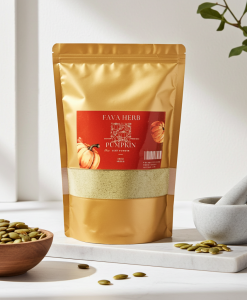
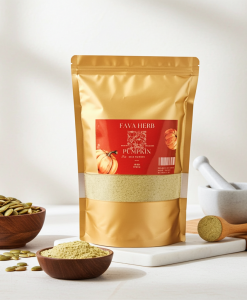
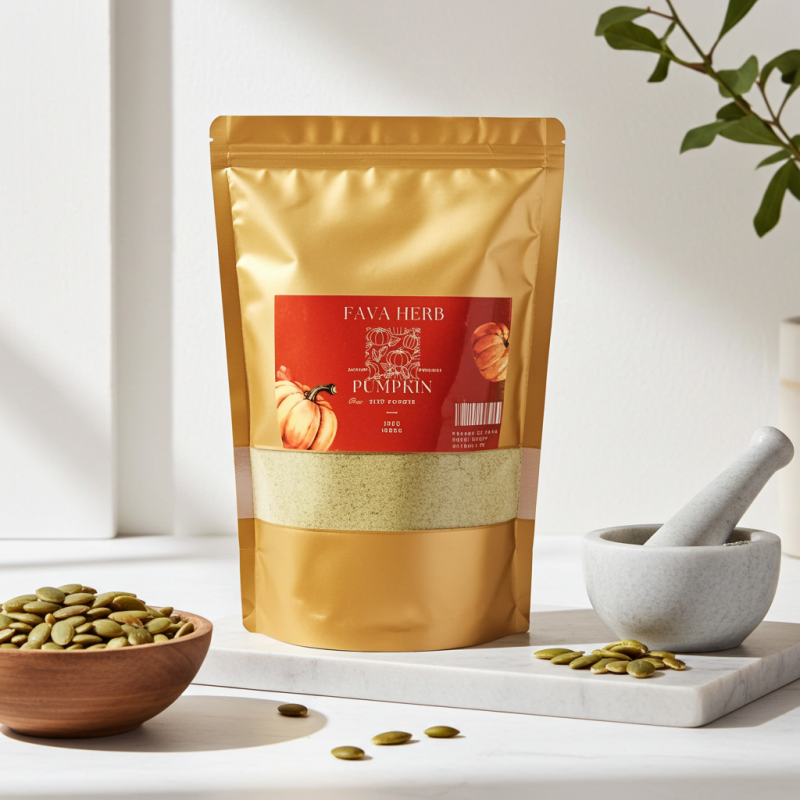
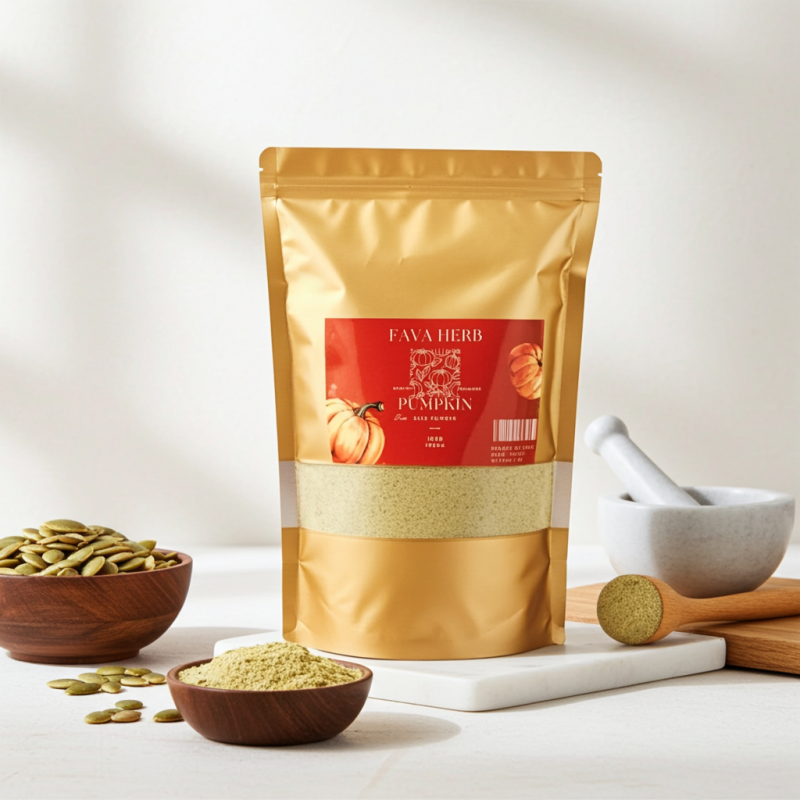
Pure Pumpkin Seed Powder – 1kg | High-Protein Superfood for Energy, Hair, and Skin Health
Pure Pumpkin Seed Powder (1kg) – a nutrient-rich superfood packed with protein, zinc, and omega fats. Boosts energy, immunity, and supports healthy hair and skin.
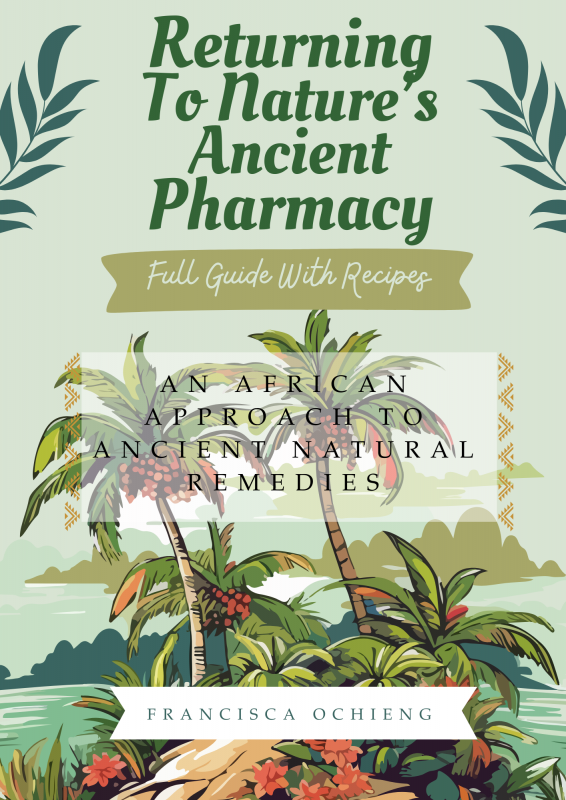
Book: Returning To Nature’s Ancient Pharmacy -An African Approach To Natural Remedies
What You’ll Discover:
- Daily Herbal Remedies backed by Scripture and tradition
- Natural healing foods like raw honey, fermented drinks, and superfruits
- Uses of animal fats like tallow, ghee, and bone broth
- African healing plants like hibiscus, tamarind, and baobab
- Teas and Adaptogens for stress, energy, and hormone balance
- Spiritual insights on God’s design for healing and wellness
- Practical recipes, homemade remedies, and devotional reflection

