
Healthy Life
Moringa Oil & Moringa Leaf Powder: Two Products from One Tree
Oct
Moringa Oil & Moringa Leaf Powder
Two products from one Kenyan tree. The oil, cold-pressed from its seeds, is one of the most stable carrier oils in botanical cosmetics. The leaf powder is among the most nutrient-dense plant foods documented in nutritional science. Here is the science behind both.
Moringa oleifera is one of the most studied and most documented plants in tropical nutritional botany. It has been called the Tree of Life, the Miracle Tree, and the Drumstick Tree across different cultural traditions and geographies — names that reflect not the poetic enthusiasm of marketing but a genuine, documented range of utility that few plants can match. Kenya is among the primary growing regions for moringa in East Africa, with the tree thriving in the semi-arid counties of the Eastern and Coastal regions, growing readily at the roadsides of Mombasa, across the farms of Machakos and Kitui, and in the drylands of Kwale and Kilifi where little else produces as abundantly.
This guide covers two distinct products from the same tree: moringa seed oil, cold-pressed from the seeds of the mature fruit pods and used in skincare and haircare; and moringa leaf powder, made by drying and grinding the leaves and used as one of the most nutritionally complete plant food supplements available. Each product has a separate biochemical identity, a different set of applications, and a different body of supporting evidence. Both are covered in full.
Moringa in Kenya: Provenance and Growing Regions
Kenya’s agro-ecological diversity makes it one of the most productive moringa-growing environments on the African continent. Moringa oleifera is not a plant that requires fertile, well-watered soil: it tolerates sandy loam, clay-loam, and the laterite soils characteristic of Kenya’s Eastern and Coastal regions. It thrives in the temperature range of 25–40°C, handles Kenya’s bimodal rainfall pattern well, and survives dry periods that would stress most food crops by drawing on deep root reserves. In a country where food security and income diversification for smallholder farmers are persistent policy priorities, moringa is an unusually versatile solution.
Commercial moringa cultivation in Kenya is concentrated across several distinct growing clusters. In the Eastern region — the counties of Machakos, Kitui, and Makueni — moringa has been integrated into smallholder farming systems, both as a drought-season food crop and as a sold product for regional markets. In the Coast region, particularly Kilifi, Kwale, Mombasa, and Lamu, moringa grows semi-wild along roadsides and in homesteads and has been harvested for both leaf and seed use for generations. The Rift Valley and parts of Baringo, Turkana, and Kajiado counties represent a growing frontier for moringa cultivation as local NGOs and county governments promote it as a climate-resilient nutrition crop. Northern Kenya — Marsabit, Mandera, and Wajir — is increasingly adopting moringa as part of arid-land food security programs, with the Kenyan government’s National Nutrition Action Plan having specifically referenced moringa as a priority commodity for combating malnutrition in arid and semi-arid lands (ASALs).
Kenya Moringa exports — both dried leaf powder and seed oil — move primarily through Mombasa Port and Nairobi’s Jomo Kenyatta International Airport cargo terminal toward markets in Europe, the Gulf, and North America. The product is typically certified under organic standards including EU Organic (EC 834/2007) and USDA NOP for export markets requiring this designation.
Fava Herb sources moringa leaf powder and moringa seed oil from verified Kenyan producers, with traceability to county of origin. Our moringa leaf powder is shade-dried at low temperatures to preserve heat-sensitive nutrients, particularly vitamin C and glucosinolates, and is milled to a fine particle size for maximum bioavailability and versatility of use.
The Plant: Moringa oleifera
Moringa oleifera is a fast-growing, drought-resistant tree in the monogeneric family Moringaceae. It can reach heights of 10–12 metres in its natural growth habit, though it is typically maintained at 1–2 metres in commercial leaf production systems through regular pollarding, which encourages dense lateral leaf growth accessible to hand-harvesters. The tree produces its distinctive small, white flowers year-round in equatorial climates, followed by slender, ribbed pods 30–50 cm in length that contain the round, winged seeds from which the oil is extracted.
The leaves are bipinnate, forming feathery compound fronds with small, oval leaflets approximately 1–2 cm in length. These leaflets, harvested, dried at low temperature, and ground, become moringa leaf powder. The seeds are approximately 1 cm in diameter, with three papery wings and a dark, oil-rich kernel that yields 33–40% oil by weight on cold pressing. The tree has additional products — the drumstick pods (eaten as a vegetable in South and East Asia), the roots (used in traditional medicine in very small doses, with significant cautions), and the flowers (edible and used in soups) — though the leaf and seed oil are the products with the most developed commercial and nutritional evidence base.
Two Products from One Tree
Different parts of the plant. Different processing. Entirely different applications.
Moringa Seed Oil
Cold-pressed from the seeds of the mature fruit pod. A golden, stable carrier oil with an unusually high behenic acid fraction that gives it extraordinary shelf life without synthetic antioxidants. Used in skin care, hair care, and as a base for essential oil blends.
Moringa Leaf Powder
Shade-dried moringa leaves, finely milled into a powder. Contains all nine essential amino acids, exceptional levels of vitamin C, beta-carotene, iron, calcium, and potassium, plus a suite of anti-inflammatory isothiocyanates. One of the most nutritionally documented plant foods on earth.
Moringa Seed Oil: Extraction and Properties
Moringa seed oil — historically known as ben oil, from the Arabic behen, referencing the tree — is produced by mechanical cold-pressing of the dried, dehulled seeds of Moringa oleifera. Cold-pressing is the preferred extraction method for cosmetic and premium nutritional oil grades, as it preserves the natural tocopherols, sterols, and minor phytochemicals that contribute to the oil’s exceptional oxidative stability and skin-active properties. Solvent-extracted grades, though available, are typically used in industrial applications and not in premium cosmetic formulation.
The resulting oil is a pale to medium golden yellow, with a mild, slightly nutty odour and a light-to-medium viscosity. Refined grades are odourless and colourless. The oil is notable for one unusual property: it absorbs into skin with a slightly warming sensation at first contact, attributed to minor amounts of isothiocyanate-related compounds present in unrefined grades. Fully refined moringa oil does not exhibit this effect.
Moringa oil has a measured oxidative stability index (OSI) of 50–80 hours at 110°C in Rancimat testing — comparable to argan oil and significantly higher than polyunsaturate-rich carrier oils such as rosehip (1–3 hours), flaxseed (1–2 hours), or even olive oil (10–25 hours). This stability is attributed to its high oleic acid content combined with an unusually high proportion of behenic acid (a long-chain saturated fatty acid resistant to oxidation) and natural tocopherols. For formulators and end consumers in warm-climate markets such as Kenya and East Africa, this stability has practical significance: the oil stores without refrigeration and resists rancidity in ambient temperatures that would spoil less stable oils rapidly.
Fatty Acid Profile of Moringa Oil
The defining feature of moringa oil’s fatty acid composition is its oleic acid dominance (65–75%), placing it in the same family as olive oil and high-oleic sunflower oil in terms of stability and skin compatibility. What distinguishes it from these oils is the second-most significant component: behenic acid (C22:0), a very long-chain saturated fatty acid that accounts for 6–8% of the total oil. Behenic acid is rare in botanical oils and contributes directly to the oil’s exceptional oxidative stability, its mild hair-cuticle-smoothing properties, and its distinctive skin feel.
| Fatty Acid | Carbon Chain | % Range | Relative Proportion |
|---|---|---|---|
| Oleic acid | C18:1 (MUFA) | 65–75% | |
| Palmitic acid | C16:0 (SFA) | 5–8% | |
| Stearic acid | C18:0 (SFA) | 4–6% | |
| Behenic acid | C22:0 (SFA) | 6–8% | |
| Gondoic / Eicosenoic acid | C20:1 (MUFA) | 2–4% | |
| Lignoceric acid | C24:0 (SFA) | 1–2% | |
| Linoleic acid | C18:2 (PUFA) | 1–3% |
Source: Codex Alimentarius; Rashid et al., Industrial Crops and Products (2015); Morton (1991)
Moringa Oil for Skin: Benefits and Evidence
Emolliency and Skin Penetration
Moringa oil’s high oleic acid content gives it good skin penetration through the stratum corneum, the outermost layer of the epidermis. Oleic acid is known to interact with the ceramide-cholesterol-fatty acid matrix of the skin barrier in a way that temporarily increases permeability and carrier penetration — a property used deliberately in formulation to enhance delivery of other actives. Applied alone, moringa oil functions as a rich emollient that reduces transepidermal water loss (TEWL) and leaves a softened, supple skin surface. The behenic acid fraction contributes a silky, non-tacky finish.
Anti-Ageing Properties
Moringa oil contains naturally occurring zeatin, a plant cytokinin that has attracted specific research interest for skin anti-ageing applications. Cytokinins are plant growth hormones that regulate cell division; zeatin in particular has been studied in dermatological contexts for its ability to delay cell senescence, promote collagen synthesis, and support tissue regeneration. A 2014 study in the Journal of Cosmetic Science found that topical application of moringa-containing formulations showed measurable improvement in skin elasticity and a reduction in fine line depth in a controlled study cohort — effects attributed in part to the zeatin and tocopherol content of the oil.
Additionally, moringa oil’s tocopherol fraction (particularly alpha-tocopherol) acts as a free radical scavenger on the skin surface, neutralising reactive oxygen species generated by UV exposure and environmental pollution. This antioxidant activity is complementary to the zeatin’s cellular-level action and makes the two compounds synergistic in the context of photoageing prevention.
Anti-Inflammatory Activity
The phytosterol fraction in moringa oil — primarily beta-sitosterol, campesterol, and stigmasterol — demonstrates documented anti-inflammatory activity through inhibition of COX-2 (cyclooxygenase-2) enzyme pathways. This makes moringa oil relevant to formulations targeting inflammatory skin conditions including rosacea, eczema, and seborrheic dermatitis, where a carrier with anti-inflammatory properties amplifies the benefit of active therapeutic ingredients.
The Oil Cleansing Method
Moringa oil’s composition, in particular its balance of oleic acid and behenic acid, makes it well-suited to the Oil Cleansing Method (OCM) — the practice of using a carrier oil to dissolve and remove sebum, makeup, and environmental pollutants from the face. The principle is that like-dissolves-like: oil binds to the fatty residues on the skin surface and lifts them away during massage, followed by gentle emulsification with a warm, damp cloth. Moringa oil’s moderate viscosity and skin-feel make it effective as a solo cleansing oil or blended with a lighter, lower-oleic oil for easier rinse-off.
Moringa oil has a comedogenic rating of 3–4 on the standard 0–5 scale — moderate to moderately high. This is primarily driven by its high oleic acid content. Those with naturally oily skin or acne-prone skin should use moringa oil cautiously as a leave-on facial product, starting with small amounts and monitoring skin response. It is better positioned as a body oil, haircare product, or oil cleanser (rinsed off) for acne-prone skin types than as a leave-on facial oil.
- Apply 3–5 drops to cleansed, damp skin as a facial oil for normal to dry or mature skin types
- Use as an oil cleanser: massage a small amount onto dry skin to dissolve makeup and impurities, then remove with a warm, damp cloth
- Incorporate into DIY anti-ageing serums with vitamin C esters, retinol-equivalents, or bakuchiol
- Apply as a rich body oil post-shower to areas prone to dryness, keratosis pilaris, or stretch marks
- Use as a base for massage oil blends, diluting essential oils to the recommended IFRA concentration
Moringa Oil for Hair: Benefits and Applications
Moringa oil is an effective haircare ingredient across a range of hair types and applications. Its oleic acid content supports shaft penetration and protein retention; its behenic acid component provides cuticle-smoothing properties comparable to those found in products that contain synthetic conditioning polymers.
Behenic Acid and Cuticle Smoothing
The behenic acid in moringa oil is worth attention specifically in the hair context. Behenic acid (C22:0) is the primary active in many commercial hair conditioning treatments — it is the chemical basis for the synthetic ingredient behentrimonium chloride (BTAC), a widely used cationic conditioner that deposits on the negatively charged hair shaft and smooths the raised cuticle. Moringa oil delivers natural behenic acid directly to the shaft during penetration, with a conditioning effect on the cuticle surface that reduces friction, improves combability, and decreases split end susceptibility.
Scalp Health
The phytosterol and tocopherol content of moringa oil contributes to its effectiveness as a scalp treatment. Applied to a dry or irritated scalp, it delivers anti-inflammatory compounds that reduce prostaglandin-mediated inflammation at the follicle base — the mechanism relevant to conditions such as seborrheic dermatitis and scalp psoriasis where inflammatory signalling impairs the follicular environment. Moringa oil does not treat these conditions in a medical sense, but its anti-inflammatory and antioxidant properties make it a useful supportive application between clinical treatments.
- Pre-shampoo hot oil treatment: Warm a small amount of moringa oil between palms and apply to dry hair from scalp to ends; cover with a warm towel or shower cap for 30–60 minutes before shampooing with a mild surfactant
- Scalp massage oil: Apply a few drops directly to sections of the scalp and massage with fingertip pressure; effective for dry, flaky, or inflamed scalp conditions
- Finishing oil: Work 1–2 drops through dry hair ends for shine and frizz reduction, concentrating on the mid-lengths to avoid root weighting
- Deep conditioner addition: Stir 1 teaspoon into a portion of conditioner or masque before applying for enhanced cuticle conditioning
Moringa Leaf Powder: The Nutrient Density Case
Moringa leaf powder is most commonly introduced to consumers through a set of comparative nutritional claims: more vitamin C than oranges, more calcium than milk, more iron than spinach. These comparisons are based on real data, though they require one important methodological note: they compare gram-for-gram on a dry weight basis. Since dried leaf powder has had virtually all of its water removed while fresh fruit and vegetables retain 80–95% water by weight, the comparison understates how much dried powder you would need to consume to replicate fresh fruit quantities. The nutritional density of moringa powder is still genuinely exceptional; the comparative claims simply require honest interpretation.
What is less commonly communicated, and perhaps more significant, is that moringa leaf powder is a complete protein — one of very few plant foods that contains all nine essential amino acids in meaningful proportions. At 25–30% protein by dry weight, it provides more protein per gram than most legumes, and unlike most plant proteins, it is not limiting in methionine and cysteine. This makes it particularly valuable in plant-based diets and in contexts where animal protein access is limited.
Active Phytochemicals in Moringa Leaves
Beyond its macronutrient and micronutrient profile, moringa leaf powder contains a documented suite of secondary phytochemicals with distinct biological activity. These compounds are the basis for moringa’s health benefit claims that extend beyond simple nutritional supplementation.
Isothiocyanates
Isothiocyanates — particularly moringin (4-[alpha-L-rhamnosyloxy] benzyl isothiocyanate), the primary bioactive isothiocyanate in moringa leaves — are formed from glucosinolate precursors when the leaf cells are disrupted during processing or digestion. Moringin has been extensively studied for anti-inflammatory activity, demonstrating inhibition of NF-kB signalling, COX-2 and LOX enzyme inhibition, and suppression of pro-inflammatory cytokines including TNF-alpha, IL-1beta, and IL-6 in cell culture and animal models. This places moringa in the same phytochemical family as broccoli and other brassicaceae-adjacent plants with glucosinolate-based anti-inflammatory credentials.
Quercetin and Kaempferol
Moringa leaves contain high concentrations of the flavonoids quercetin and kaempferol, both well-studied antioxidant compounds. Quercetin has been specifically investigated for antihypertensive effects (inhibiting angiotensin-converting enzyme, ACE), anti-allergic properties (mast cell stabilisation), and antiviral activity. Kaempferol has documented activity in bone health maintenance through osteoblast stimulation in cell models and has shown anti-proliferative effects in cancer cell lines in vitro.
Chlorogenic Acid
Chlorogenic acid, the same compound found in significant quantities in coffee, is present in moringa leaves at meaningful concentrations. Chlorogenic acid has been studied in the context of blood glucose regulation, primarily through inhibition of intestinal glucose absorption (alpha-glucosidase and alpha-amylase inhibition) and enhancement of peripheral glucose uptake. Multiple clinical studies in Type 2 diabetic and pre-diabetic populations have demonstrated modest but statistically significant reductions in postprandial blood glucose with chlorogenic acid supplementation, an effect that is considered additive to moringa’s direct hypoglycaemic action.
Zeatin
Moringa is one of the very few plant foods consumed by humans that contains zeatin in physiologically relevant quantities. As noted in the oil section, zeatin is a plant cytokinin with documented cell anti-senescence and collagen-stimulating activity. In the context of the leaf powder, dietary zeatin may contribute additional systemic anti-ageing support beyond the topical applications of the oil, though this is an emerging area of research and definitive human clinical trials are limited.
Documented Health Benefits of Moringa Leaf Powder
Blood Sugar Regulation
Moringa leaf powder has the most consistent clinical evidence in the area of blood glucose management. A 2014 randomised, controlled pilot study published in Acta Horticulturae found that 4 grams of moringa leaf powder taken with a high-carbohydrate meal reduced post-meal blood sugar rise by approximately 21% compared to control. The proposed mechanisms include alpha-glucosidase inhibition by chlorogenic acid and isothiocyanates, enhanced insulin secretion via quercetin’s interaction with pancreatic beta-cells, and peripheral insulin sensitisation via phytosterol activity. While moringa should not replace prescribed diabetes medication, its adjunct use in pre-diabetic or insulin-resistant populations has a growing evidence base.
Cholesterol Reduction
Several clinical studies in human populations have documented significant reductions in total cholesterol, LDL cholesterol, and triglycerides with regular moringa leaf supplementation. A controlled trial published in the Journal of Ethnopharmacology found that daily moringa leaf powder consumption over 50 days reduced total cholesterol by 14% and LDL cholesterol by 18% in adults with elevated baseline levels. The beta-sitosterol and other phytosterols in moringa compete with dietary cholesterol for intestinal absorption, reducing serum cholesterol levels by a mechanism similar to that of pharmaceutical plant sterol supplements.
Anti-Inflammatory Effects
The isothiocyanate and flavonoid content of moringa leaves provides a multi-pathway anti-inflammatory effect that is now relatively well-documented in the peer-reviewed literature. NF-kB inhibition by moringin and quercetin reduces the expression of inflammatory cytokines across multiple tissue types. This systemic anti-inflammatory activity is relevant to conditions ranging from chronic joint inflammation to inflammatory bowel disease, and supports the traditional use of moringa in managing inflammatory conditions across East African and South Asian traditional medicine systems.
Liver Protection
Animal model studies and limited human data support moringa leaf’s hepatoprotective (liver-protecting) effects. The proposed mechanisms include antioxidant protection of hepatocytes against oxidative stress-induced damage, reduction of liver enzyme markers (ALT and AST) in models of chemical-induced hepatotoxicity, and regulation of hepatic lipid metabolism. This area of moringa research has gained interest in the context of non-alcoholic fatty liver disease (NAFLD), though human clinical trials of sufficient scale have not yet confirmed the animal model findings.
Nutritional Supplementation for ASALs
In the Kenyan context, moringa leaf powder has been specifically promoted and studied as a low-cost, locally producible nutritional intervention for communities in arid and semi-arid regions. A 2020 study conducted in collaboration with Kenya’s Ministry of Health documented improved haemoglobin levels and vitamin A status in children supplemented with moringa leaf powder over a six-month period in Kitui County, consistent with the World Health Organization’s designation of moringa as a priority food security and nutrition crop for sub-Saharan African contexts.
Shop Kenyan Moringa at Fava Herb
Cold-pressed moringa seed oil and shade-dried moringa leaf powder, sourced directly from Kenyan producers. Traceable origin, independently quality-checked.
Shop Moringa Oil Shop Moringa Leaf PowderFull Phytochemical Profile: Both Products
The following table covers the key bioactive constituents across moringa seed oil and moringa leaf powder, with documented mechanisms and application context.
| Compound | Product | Mechanism / Action | Application Context |
|---|---|---|---|
| Oleic acid (C18:1) | Oil | Skin barrier penetration enhancer; emollient; reduces TEWL; hair shaft conditioner | Skincare, haircare, massage base |
| Behenic acid (C22:0) | Oil | Cuticle-smoothing on hair shaft; contributes to oxidative stability; skin-conditioning | Hair conditioning treatments; stable formulations |
| Beta-sitosterol / Phytosterols | Both | COX-2 inhibition (anti-inflammatory); intestinal cholesterol absorption competition; skin barrier support | Skincare formulation; dietary cholesterol management |
| Alpha-tocopherol (Vitamin E) | Both | Free radical scavenging; oxidative stability of oil; skin photoprotection | Anti-ageing skincare; oil preservation; dietary antioxidant |
| Zeatin (Cytokinin) | Both | Cell division regulation; anti-senescence; collagen synthesis stimulation; delayed cell ageing | Anti-ageing formulation (topical); dietary anti-ageing (leaf) |
| Moringin (Isothiocyanate) | Leaf | NF-kB inhibitor; COX-2 and LOX inhibitor; TNF-alpha and IL-1beta suppression; strong anti-inflammatory | Systemic anti-inflammatory; immune modulation |
| Quercetin | Leaf | Antioxidant; ACE inhibitor (antihypertensive); mast cell stabiliser (anti-allergic); anti-proliferative in vitro | Cardiovascular support; anti-allergy; general antioxidant |
| Kaempferol | Leaf | Antioxidant flavonoid; osteoblast stimulation (bone health); anti-proliferative in cell models | Bone health; general antioxidant supplementation |
| Chlorogenic acid | Leaf | Alpha-glucosidase and alpha-amylase inhibitor; reduces postprandial blood glucose; antioxidant | Blood sugar management; metabolic health |
| Ascorbic acid (Vitamin C) | Leaf | Collagen biosynthesis cofactor; immune modulator; antioxidant; iron absorption enhancer | Immune support; anti-ageing nutrition; iron bioavailability |
| Beta-carotene (Pro-Vit A) | Leaf | Precursor to retinol; antioxidant; immune regulation; skin and eye health | Vision; immune function; skin nutritional support |
| Non-heme iron + Vit C | Leaf | Iron for haemoglobin synthesis; Vitamin C enhances non-heme iron absorption by 2–3x when co-consumed | Anaemia prevention; pregnancy nutrition; paediatric nutrition |
How to Use Moringa Oil and Leaf Powder
Moringa Seed Oil
- Facial oil (normal/dry/mature skin): Apply 3–5 drops to cleansed, damp skin morning or evening. Pat gently into skin; do not drag or rub vigorously. For acne-prone skin, use as an oil cleanser instead of a leave-on product.
- Oil cleanser: Massage a 5p/50-cent coin size amount onto dry, unmade-up or made-up skin in circular motions for 60 seconds. Remove with a warm, damp muslin cloth. Suitable for all skin types including combination skin.
- Pre-shampoo hair treatment: Warm 1 tablespoon between palms and distribute through dry hair from root to tip. Leave for 30–60 minutes under a shower cap before washing out. Use weekly for best results.
- Body oil: Apply post-shower to slightly damp skin. Moringa oil absorbs well and is effective on dry areas, stretch marks, and areas prone to rough texture.
- Essential oil carrier: Use as the base oil for diluting essential oils to therapeutic concentrations (typically 1–3% essential oil in carrier) for body massage or targeted treatment.
Moringa Leaf Powder
- Daily smoothie: Add 1 teaspoon (approximately 3 g) to a fruit smoothie with banana, mango, pineapple, or orange. The fruit flavour effectively masks moringa’s earthy, slightly bitter flavour. Start with half a teaspoon if new to moringa.
- Moringa tea: Stir 1 teaspoon into a cup of warm (not boiling) water with lemon and honey. Boiling water degrades vitamin C and some isothiocyanates; use water at approximately 80°C.
- Porridge and ugali fortification: Stir 1–2 teaspoons into cooked porridge or ugali immediately after removing from heat. This is a simple, effective strategy for adding nutritional density to staple foods — a method actively promoted in Kenyan school nutrition programs.
- Soups and stews: Add 1 teaspoon per serving to soups or stews after removing from heat. Avoid cooking moringa powder directly, as prolonged high heat degrades heat-sensitive nutrients.
- Salad dressings and dips: Whisk into vinaigrettes, yogurt dressings, or hummus. Moringa’s flavour pairs well with lemon, garlic, and tahini.
- Baked goods: Incorporate into bread, muffin, or pancake batter at 1 tablespoon per batch. Heat in baking reduces some nutrient content but retains minerals, protein, and fat-soluble vitamins.
The most commonly studied dose in human clinical trials is 4–7 grams of moringa leaf powder per day (approximately 1.5–2.5 teaspoons). Starting at 1 teaspoon daily and building gradually over two weeks gives the digestive system time to adapt. There is no established upper limit for moringa leaf powder from a safety perspective in healthy adults, but very high doses (above 10 g/day) are associated with gastrointestinal discomfort in some individuals and are not necessary for benefit.
Safety and Contraindications
Important Safety Information
- Pregnancy — leaf powder, moderate use: Moringa leaf powder at supplement doses is generally considered safe during pregnancy and has been studied specifically in this context in East Africa as a nutritional support. However, very high doses of moringa powder should be avoided. Moringa root, bark, and flowers contain alkaloids including moringine and moringinine with documented uterotonic (uterus-contracting) effects and should be strictly avoided during pregnancy. The leaf powder at standard supplement amounts does not carry this risk.
- Diabetes medication interaction: Moringa leaf powder has documented hypoglycaemic effects. If you are taking metformin, insulin, or other diabetes medications, monitor blood glucose closely when starting moringa supplementation, as the combined effect may cause blood sugar to fall lower than expected. Consult your physician before adding moringa to your regimen if you are diabetic.
- Blood pressure medication: Quercetin’s ACE-inhibiting activity and moringa’s documented hypotensive effects may potentiate antihypertensive medications. Monitor blood pressure and consult a physician if you are on antihypertensive treatment.
- Thyroid conditions: Moringa contains compounds with mild antithyroid activity. Individuals being treated for hypothyroidism should use moringa with medical supervision, as high supplemental doses may interfere with thyroid hormone production.
- Anticoagulant medications: Moringa’s vitamin K content (present in leaves) may interfere with warfarin (Coumadin) therapy. Patients on anticoagulant therapy should discuss moringa supplementation with their prescribing physician.
- Moringa oil — skin safety: Moringa seed oil has an excellent topical safety record with no significant contraindications for external use. Patch-test before first facial application. Note the moderate comedogenic rating (3–4) for acne-prone skin types.
- Antinutrients: Moringa leaves contain oxalates and phytates that can reduce mineral absorption at very high intake levels. At standard supplement doses (1–2 teaspoons per day), this is not clinically significant. Consuming moringa powder with vitamin C-containing foods (as is natural in most smoothie applications) enhances iron bioavailability despite phytate presence.
Frequently Asked Questions
From Kenya’s Growing Regions, Directly to You
Traceable Kenyan moringa — cold-pressed oil for skin and hair, shade-dried leaf powder for daily nutrition. Two products, one extraordinary tree.
Shop Moringa Oil Shop Leaf PowderBrowse the Full Fava Herb Collection


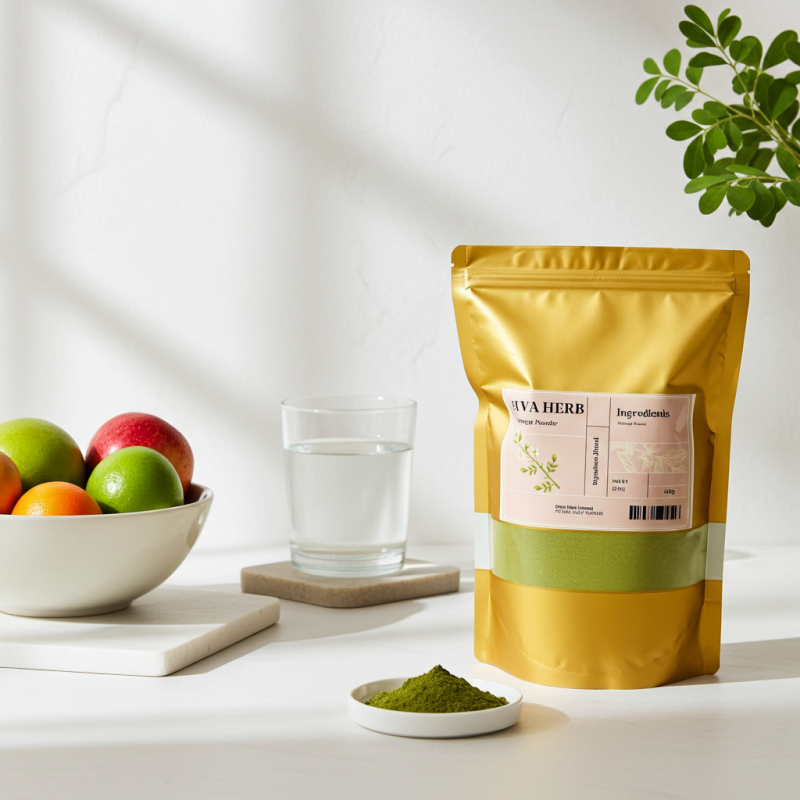
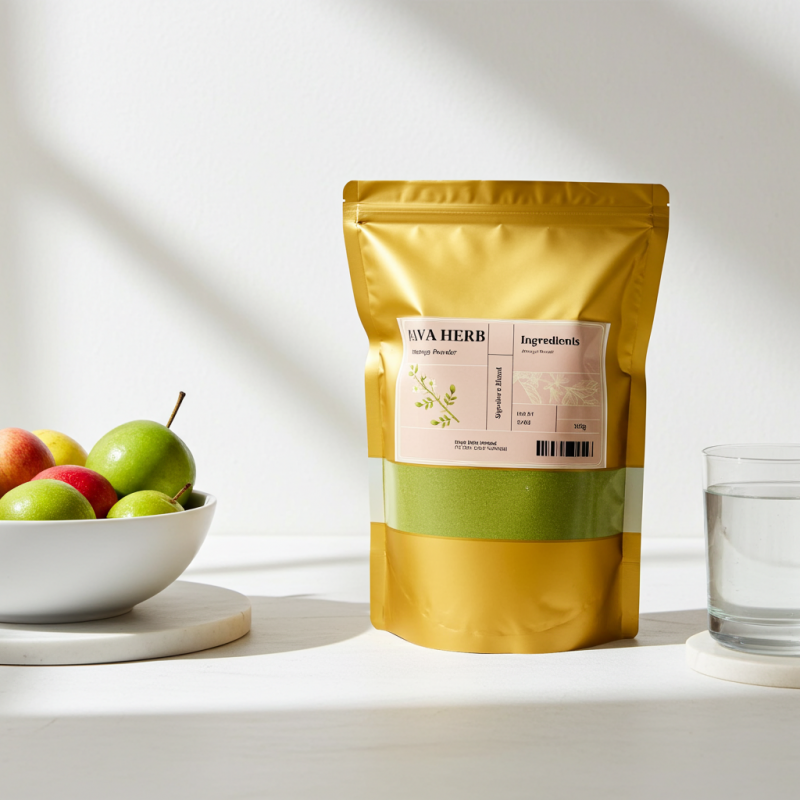
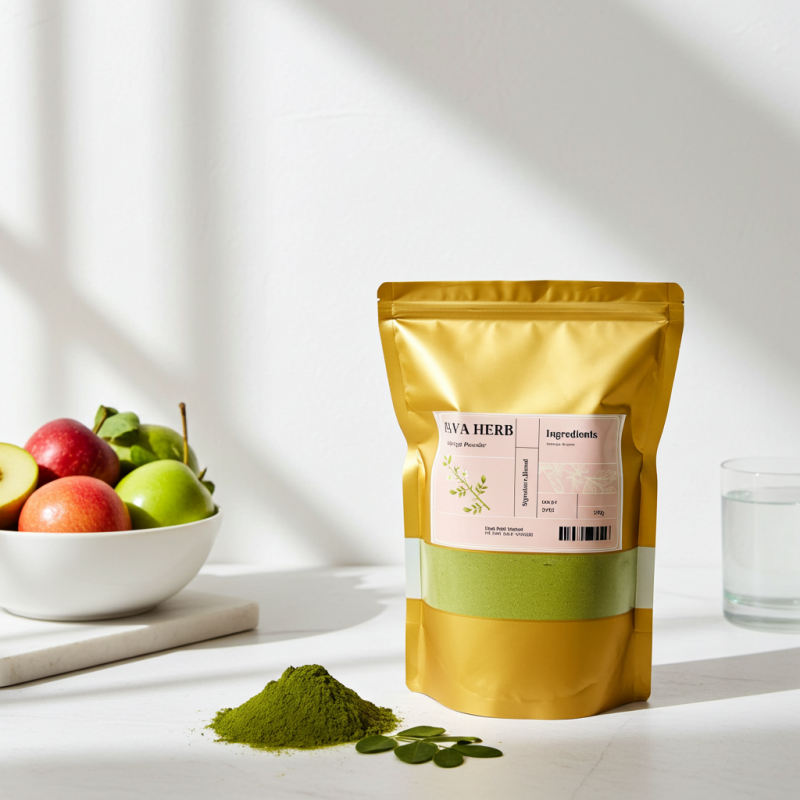
Premium Moringa Leaf Powder – 1kg | 100% Natural Superfood for Energy, Immunity & Overall Wellness
Premium Moringa Leaf Powder (1kg) – a nutrient-rich superfood that boosts energy, supports immunity, and promotes radiant skin and hair naturally.
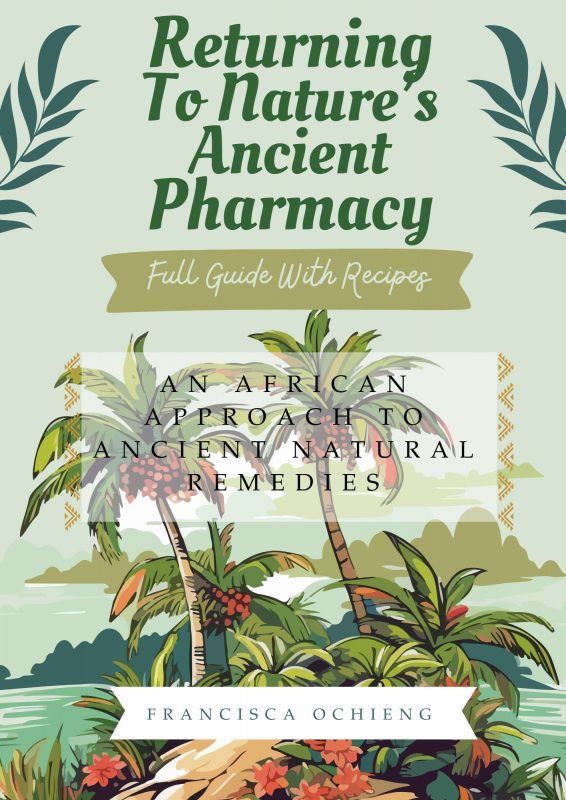
Book: Returning To Nature’s Ancient Pharmacy -An African Approach To Natural Remedies
What You’ll Discover:
- Daily Herbal Remedies backed by Scripture and tradition
- Natural healing foods like raw honey, fermented drinks, and superfruits
- Uses of animal fats like tallow, ghee, and bone broth
- African healing plants like hibiscus, tamarind, and baobab
- Teas and Adaptogens for stress, energy, and hormone balance
- Spiritual insights on God’s design for healing and wellness
- Practical recipes, homemade remedies, and devotional reflection

